Posts Tagged → soil
One Year Later…SoCal still a disaster
Recently I had the pleasure of visiting southern California. But the much vaunted amazing Mediterranean climate SoCal is famous for was nowhere in sight, as buckets of rain fell day after day. The temperature stayed between 45*F and 60*F, which coming from the frozen East Coast sure felt like a vacation to me. But boy did the locals beeatch up a storm of complaints about this unseasonal discomforture.
What was striking about the trip’s weather was not so much the uncharacteristic cold, but the lack of official preparation for the torrential rains that accompanied the cold. You would think that the people there have been through this enough to know what to do by now. You know, mitigate the threat, reduce the pending damage, save lives, save property.
Much of SoCal’s building surface is a weird mix of loose dirt and small rocks, and it is prone to easy erosion. This has been known since the time of Ronald Reagan’s ranching days there, an Ice Age ago. As we drove north along the 405, we could see many large, often extravagant buildings perched unsteadily over chasms below, which had once held enough dirt to comfortably, on which to confidently, build a house.
And then the summer fires came (year after year) and burned the vegetation that holds the dirt in place, and then came the winter rains that washed the loose un-anchored dirt away, and left the expensive homes literally hanging, clinging for life to shreds of dirt on the uphill side of the ever-deepening slope below.
Eventually all the homes and buildings we saw hanging out in the wind, perched over a void, will slide downhill like a toboggan, like those before them that were once closer to the growing chasm and which are now completely removed from that landscape.
Their once carefully secured electric, water, data, phone, and sewer connections will be lost forever. Many are already visible, sticking out of the dirt like veins and arteries of a heart held high in the hand of a surgeon, or of an Aztec priest.
The place, the actual land itself, that was once surveyed and measured and given a parcel number, will no longer exist. The old building lot will be seen on paper and on old aerial photos, like a ghost, but the actual dirt that it was once made of will no longer exist. That building lot will go the way of so many others right there over the past few decades: Mass wasted by heavy rains downhill into steep arroyos, and eventually washed out into the Pacific Ocean.
When I was a kid, people not from California joked a lot about how the great San Andreas Fault would eventually crack open, Biblically swallowing great swaths of expensive SoCal real estate and its fancy cars and shiny people, and then shearing off the surviving residual into the Pacific Ocean. The more culturally conservative the joker was, the more emphatic was their lack of humor about this looming armageddon. And why not?
Yes, you and I must be curious about the strange mindset of all those tanned beautiful people living their pretty plastic lives over there in SoCal, surrounded by palm trees and perennially perfect days. It cannot possibly be real. Kind of like the American Pompeii – not if it will happen, but simply when. Especially curious about the people, because They seem so damned judgmental and contemptuous of Us, the great unwashed and untanned living in Flyover Country.
And while there have been some exciting earthquakes in SoCal, it is more the tick-tock-tick-tock metronome-like regular prosaic wildfires and monsoons that are the real threat to house and home and happiness in SoCal. These natural disasters happen like clockwork, and yet are treated each time with wide-eyed amazement by SoCal residents. Yes, the rains come every winter, but these rains, oh God, THESE rains, this year, they say…
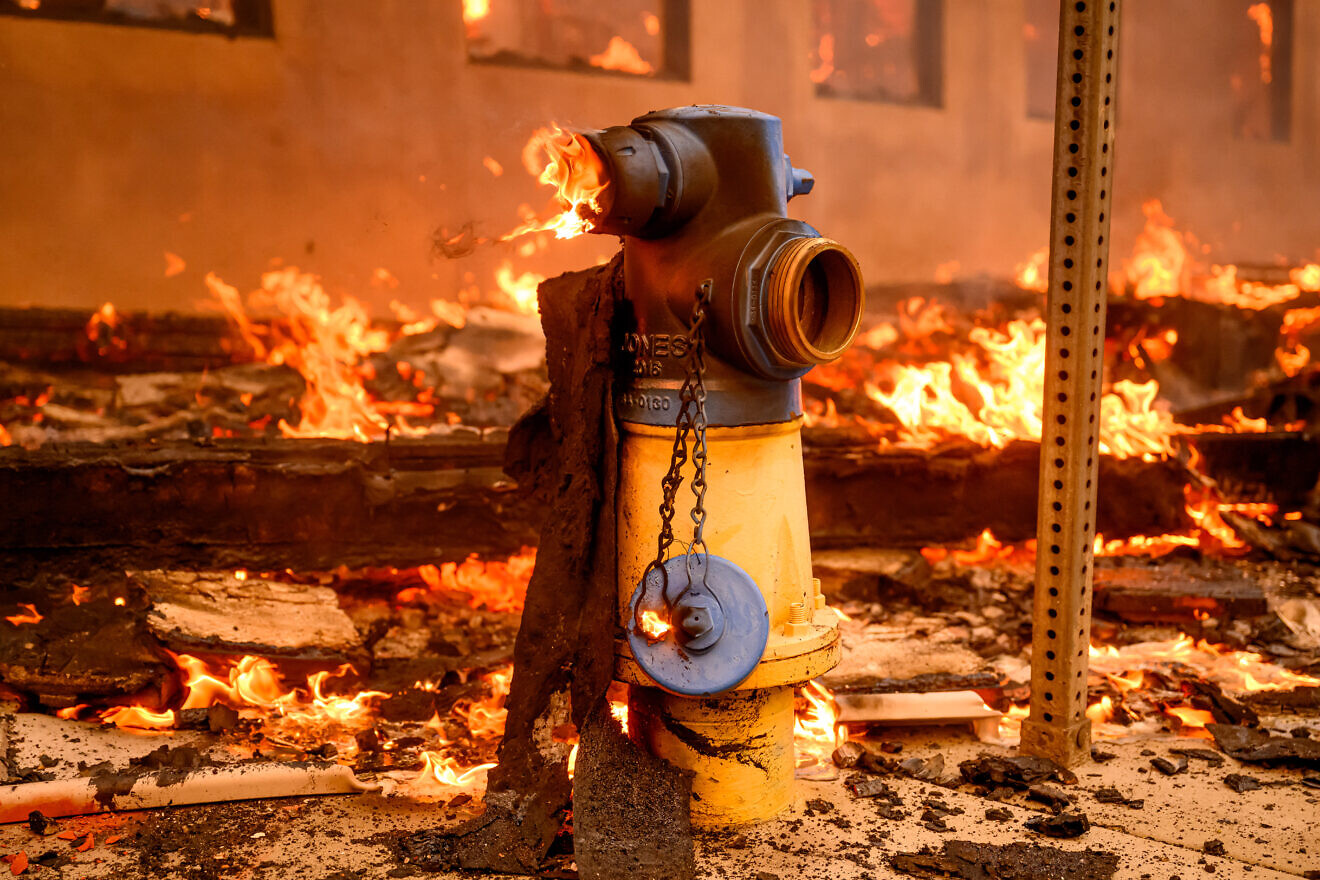
Even worse have been the elected officials, whose reactions have run from feigned amazement to outright glee at the opportunity to score so much waterfront or Pacific view properties at such low prices…and so why not wonder at both the residents and their duly, unquestioned elected leaders, who fail to prepare for the erosive rains or the wildfires. A year ago this week, catastrophic wildfires ate a lot of beautiful SoCal real estate and homes, due to no brush management, no water in reservoirs, incompetent DEI firefighters.
Nothing has changed a year later. SoCal residents now just as defiant and silly as they were last year, still blaming the unusually extra strong sunshine or some guy in Washington DC for their unhappiness. I think just one building permit has been issued for the thousands of homes lost last year, and yet the Los Angeles mayor and the California governor enjoy plenty of support from their victims.
But just maybe the failure to issue building permits to last year’s total loss homeowners of Malibu and Palisades is the biggest mitigation step ever taken. That would be ironic. I don’t know, can’t know, and really don’t want to know. Rather, I am sitting over here on the cold East Coast drinking a hot cocoa with a splash of whisky, watching SoCal go through the death convulsions and twitches of a dying body politic and its sick land base.
You could possibly write the script to this Hollywood movie, but I think the best one was already written a long time ago. It is called The Bible…
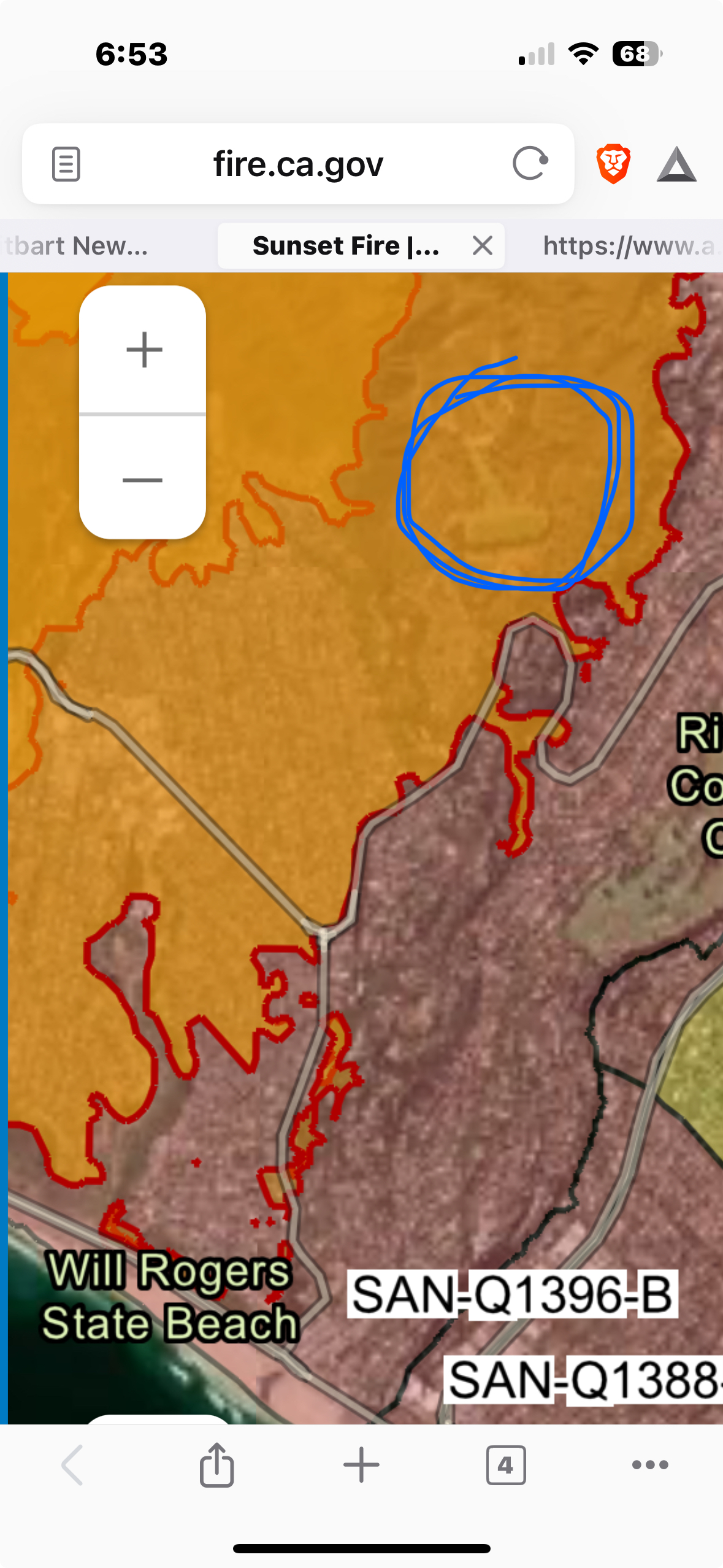
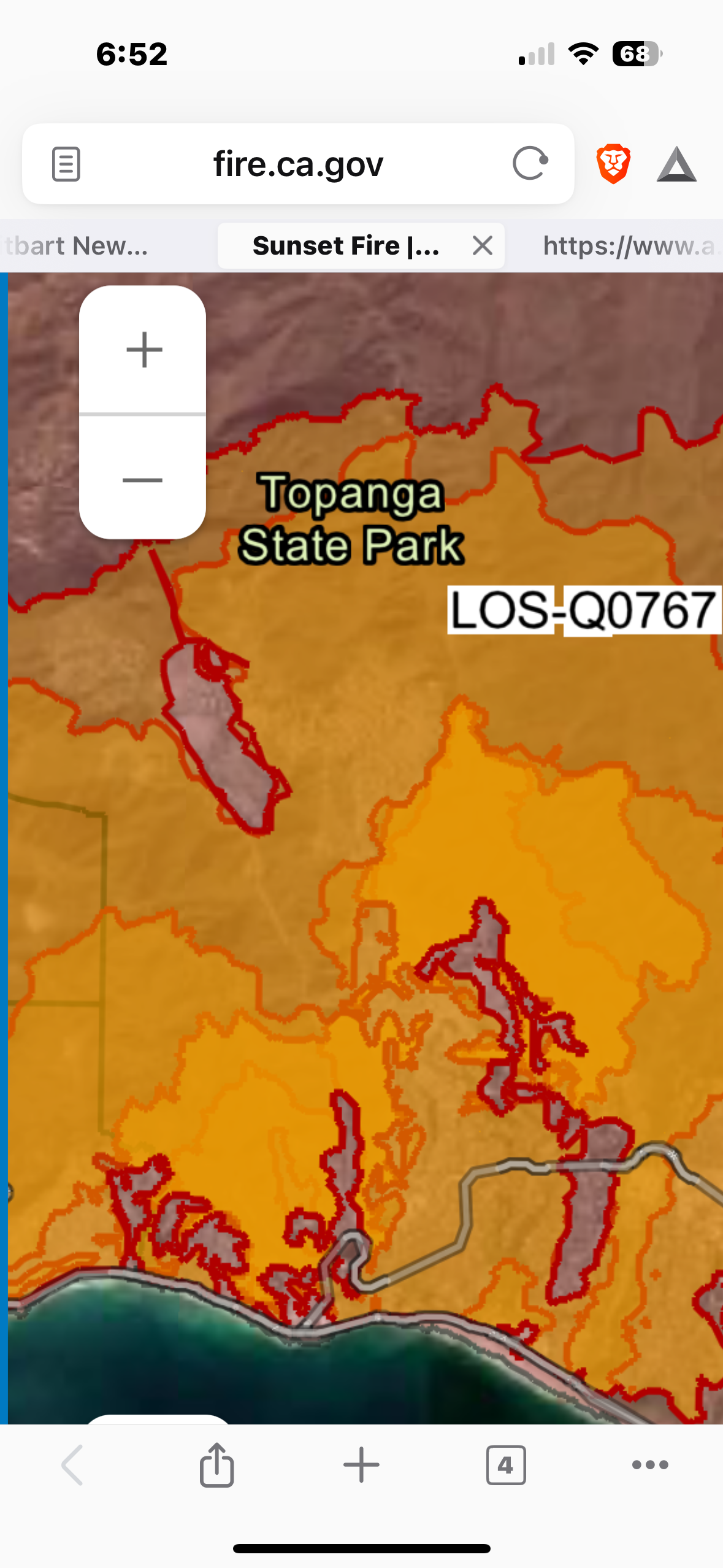
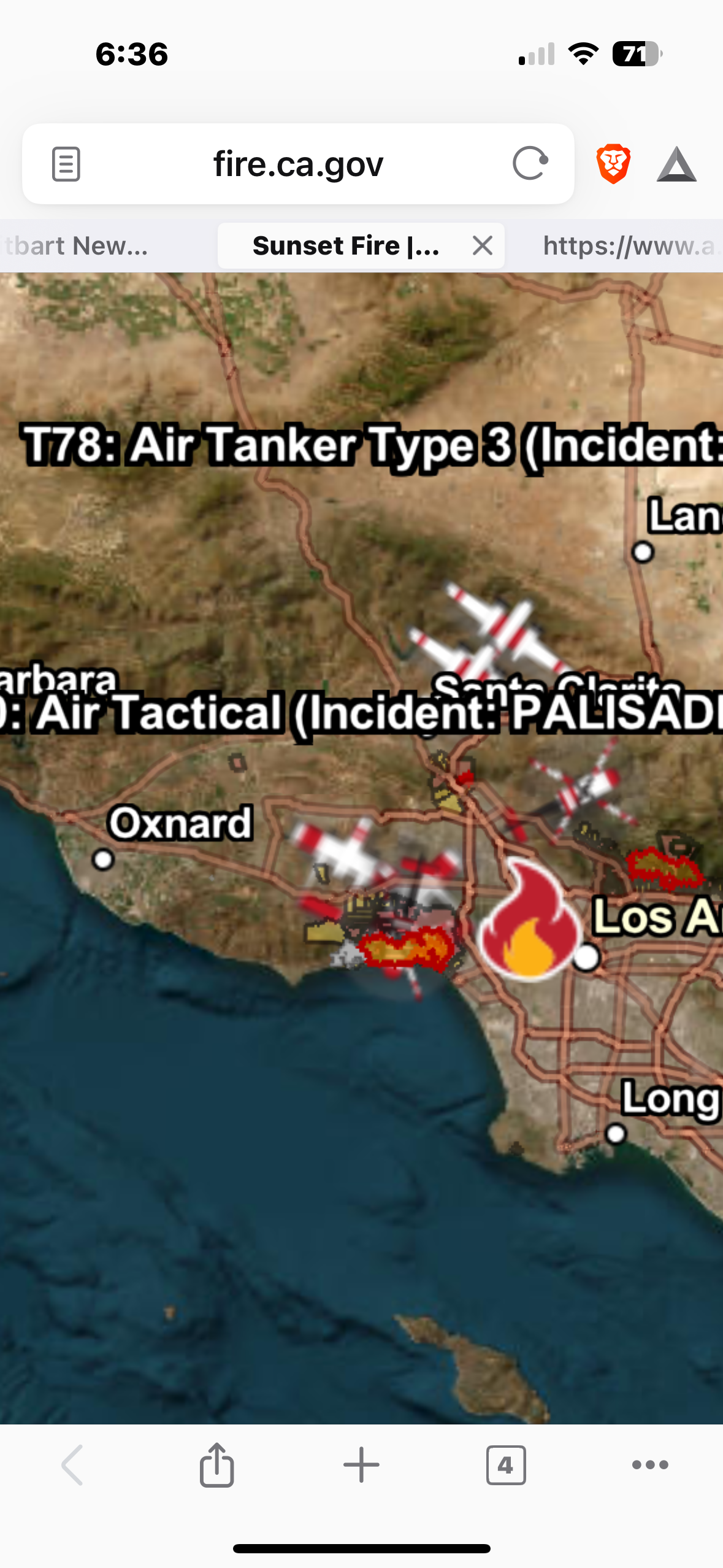
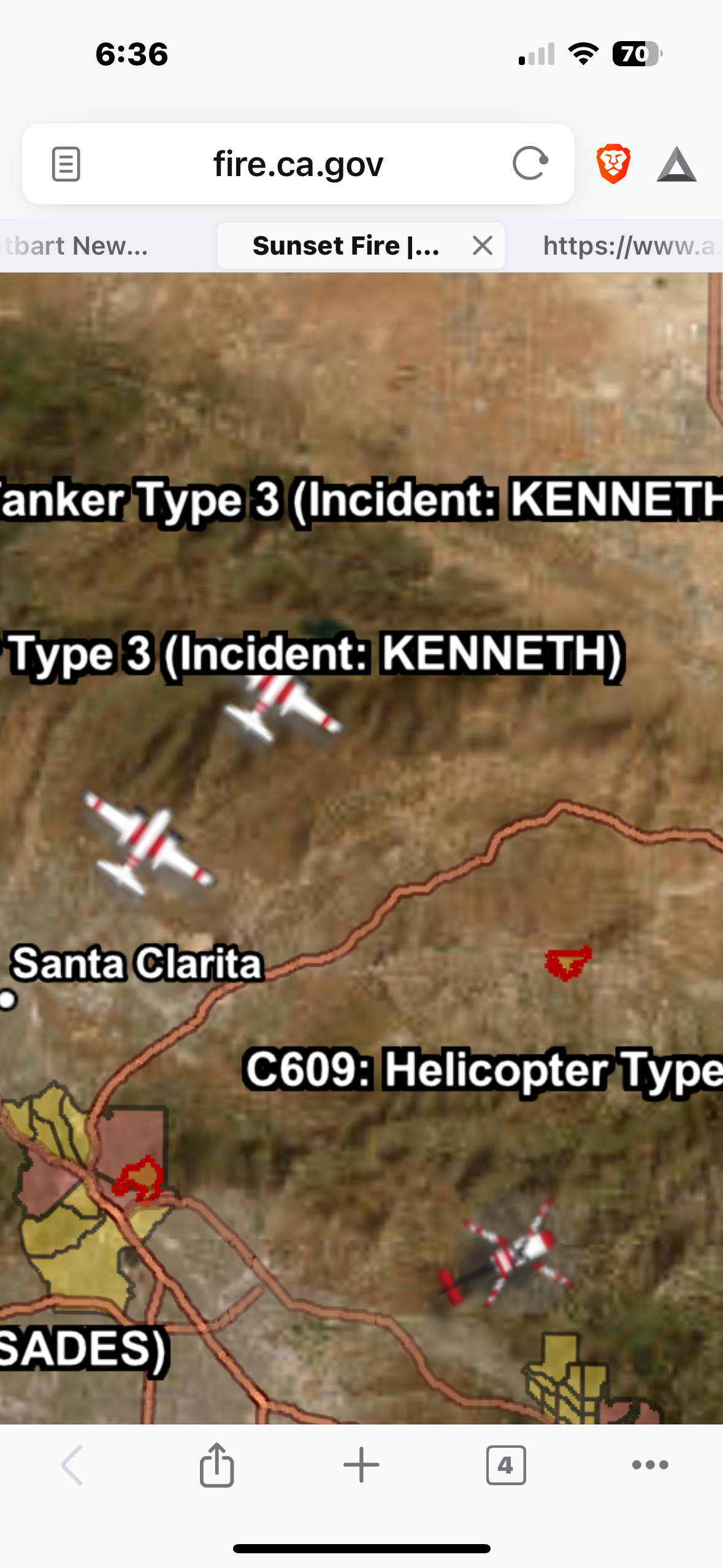
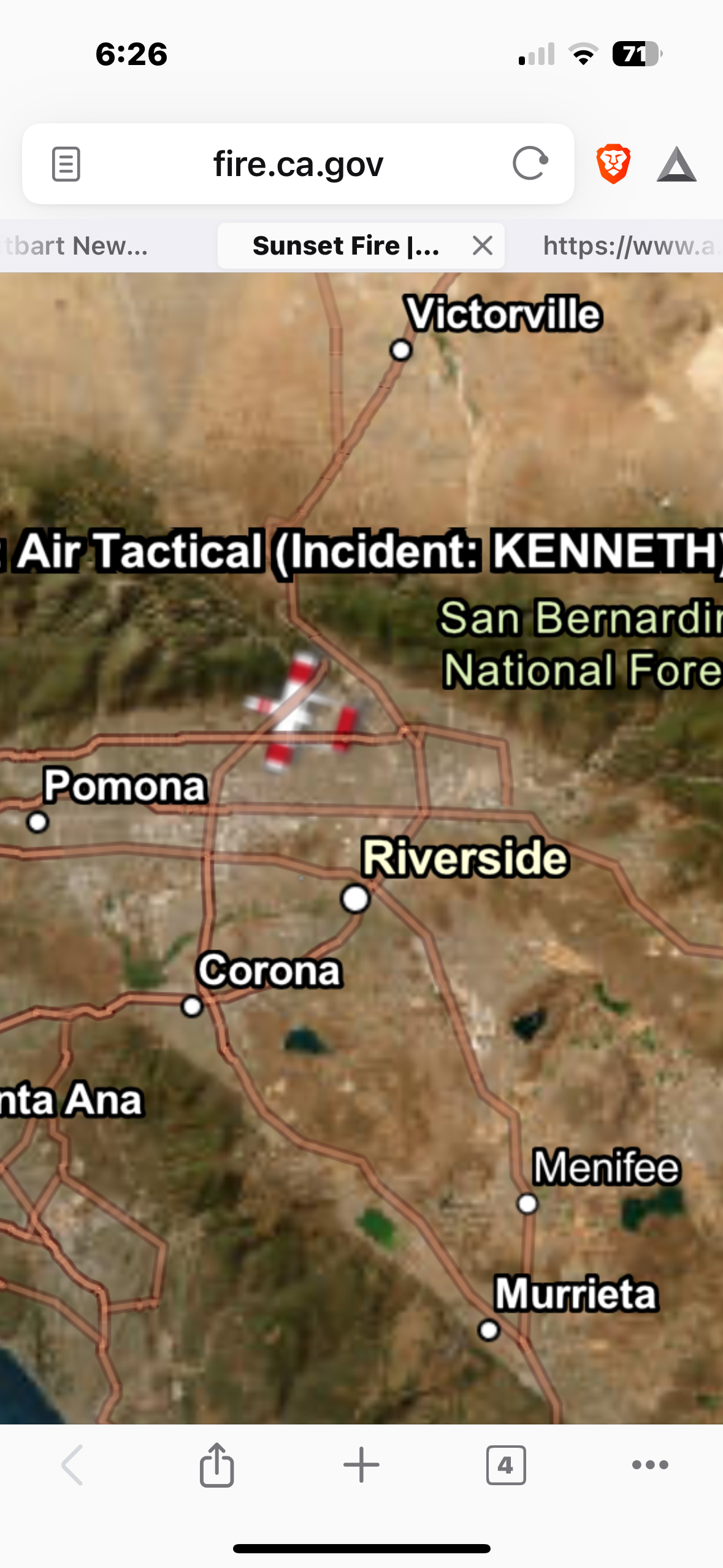
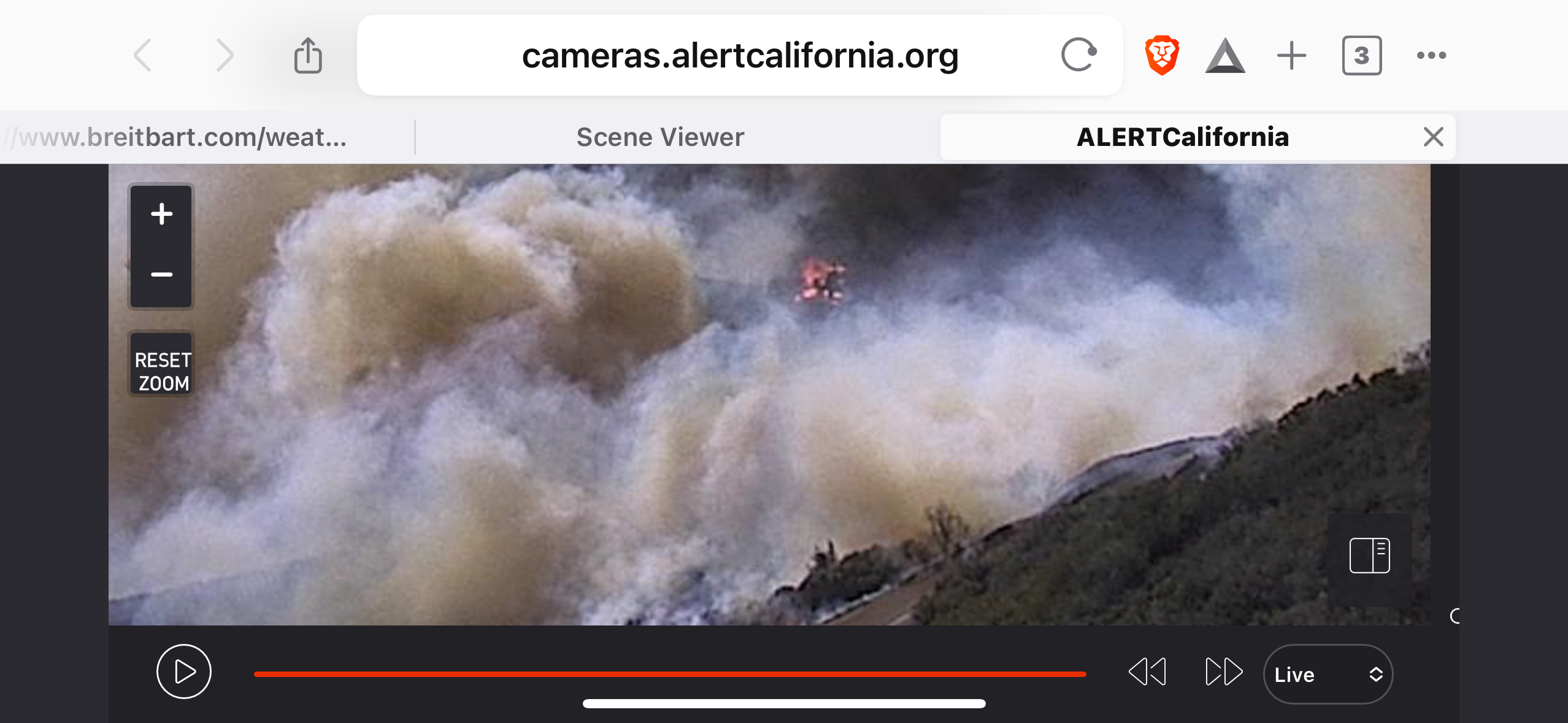
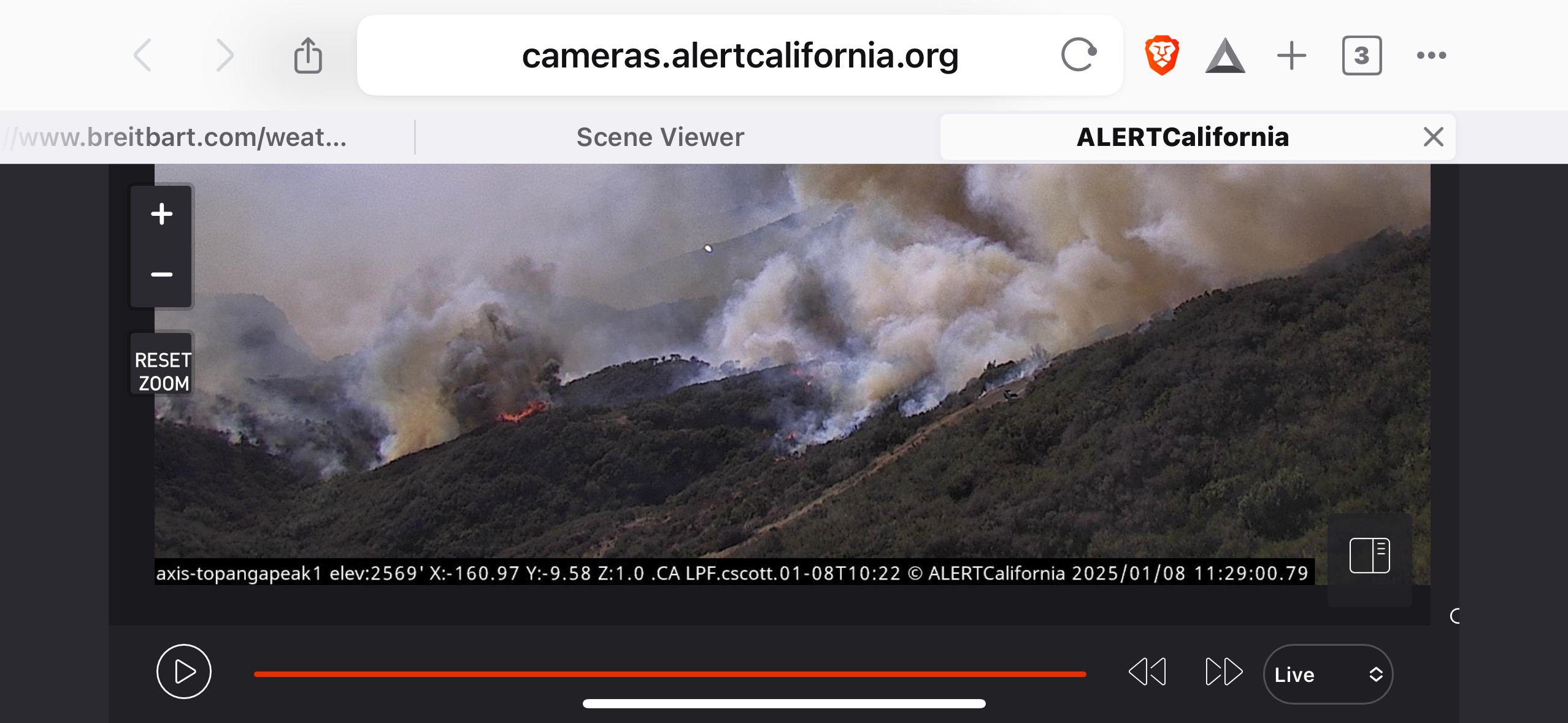
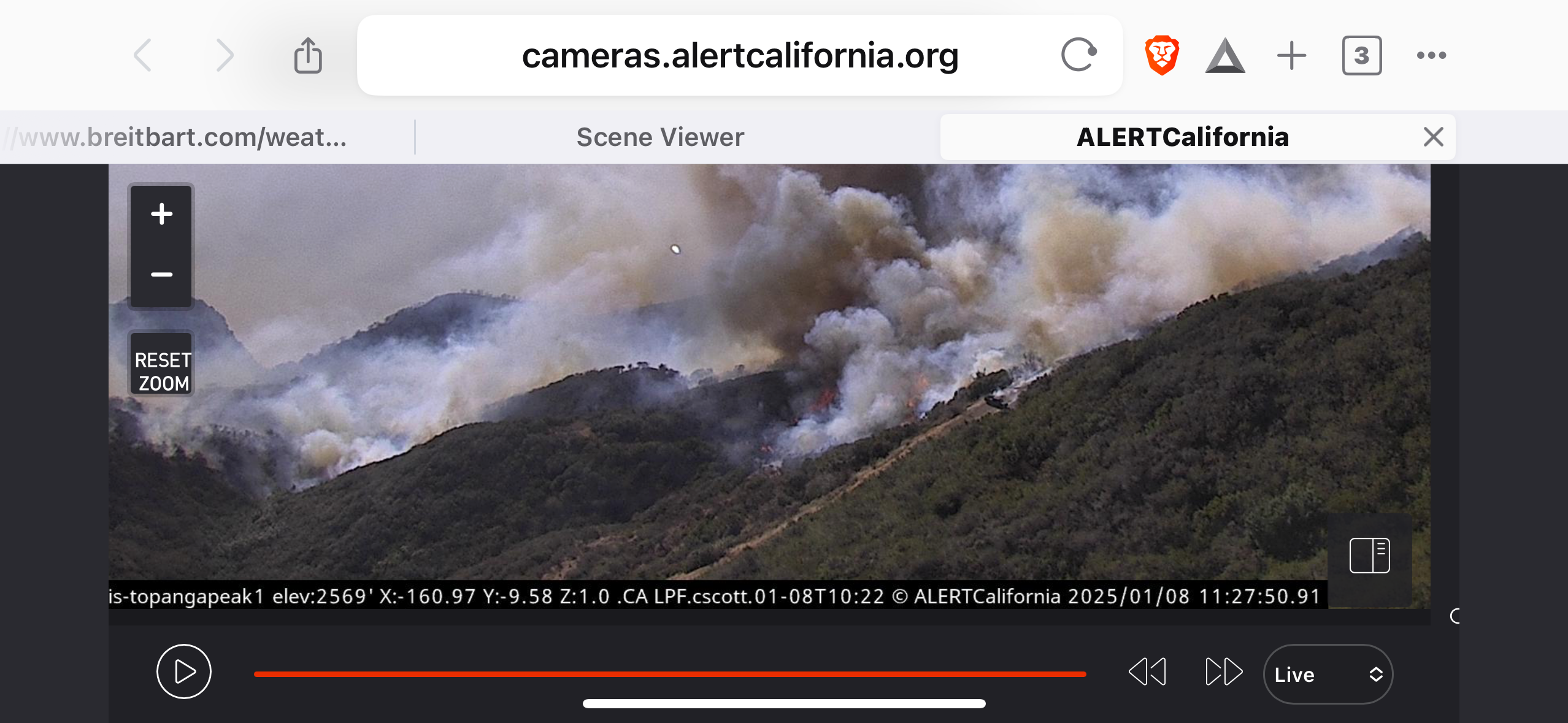
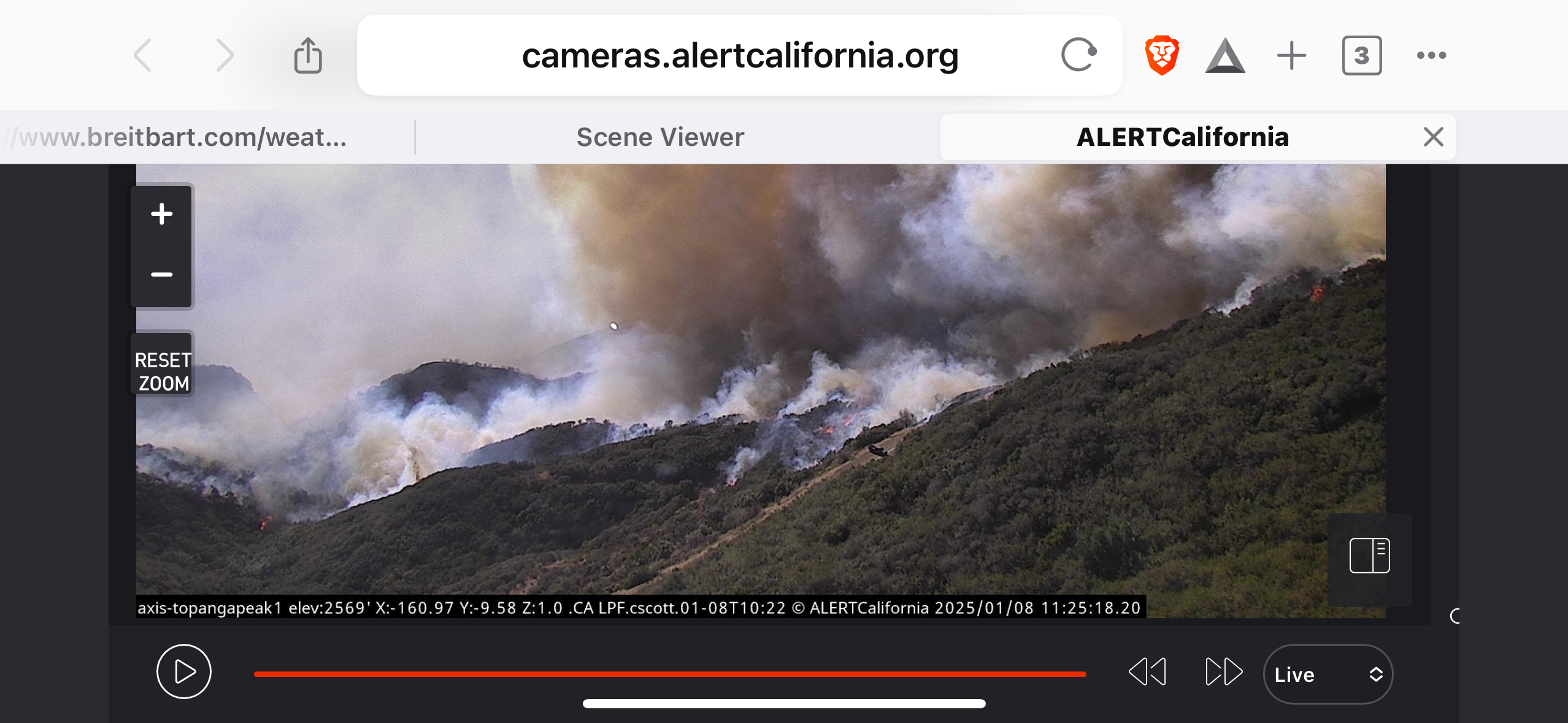
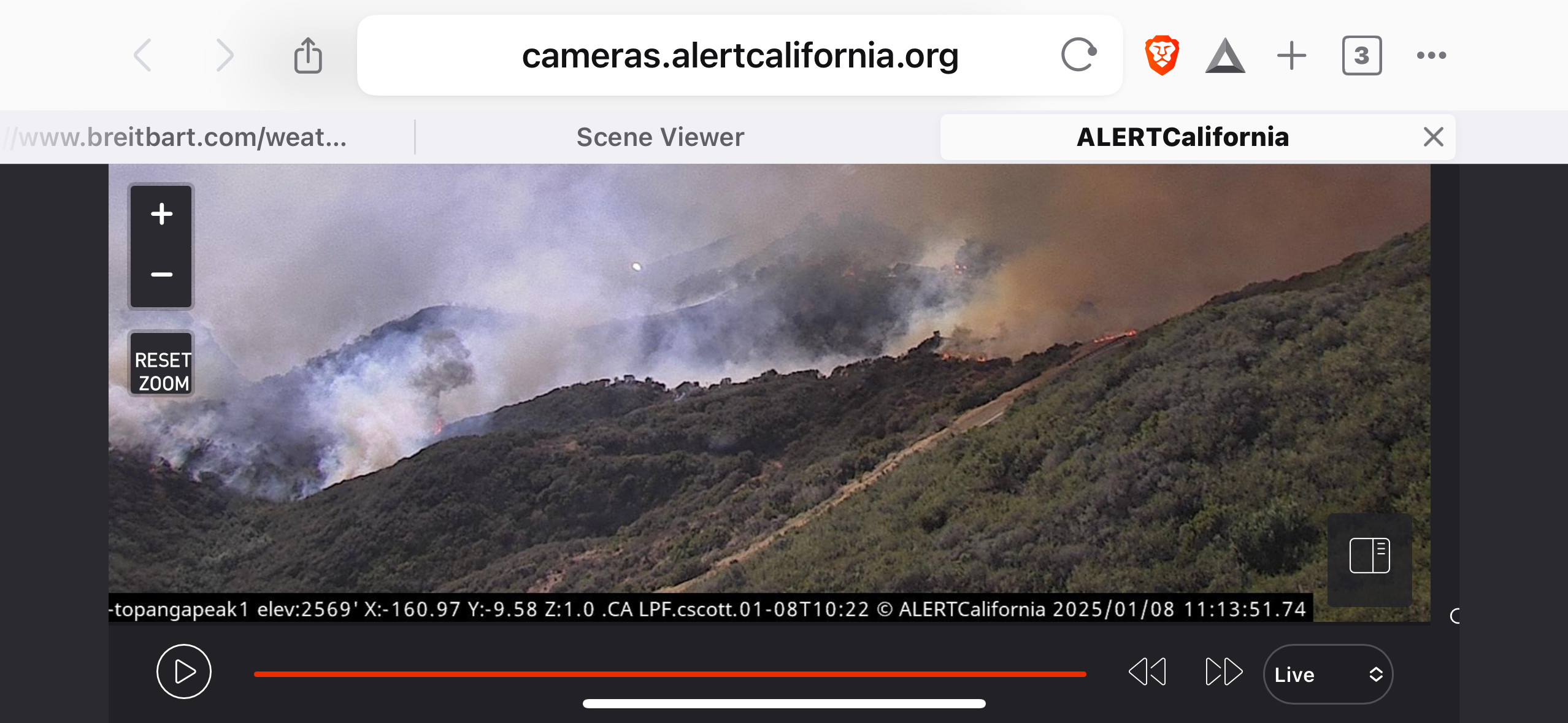
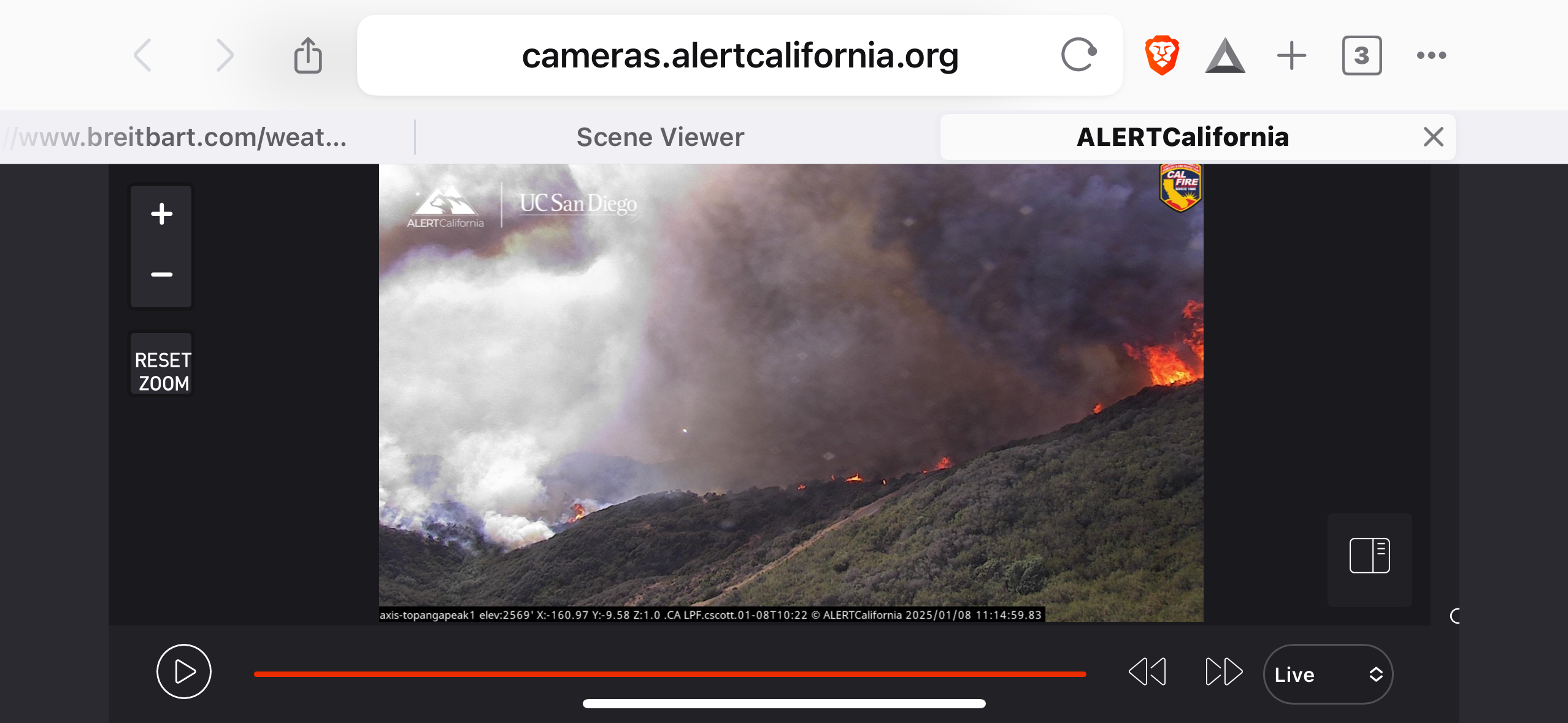
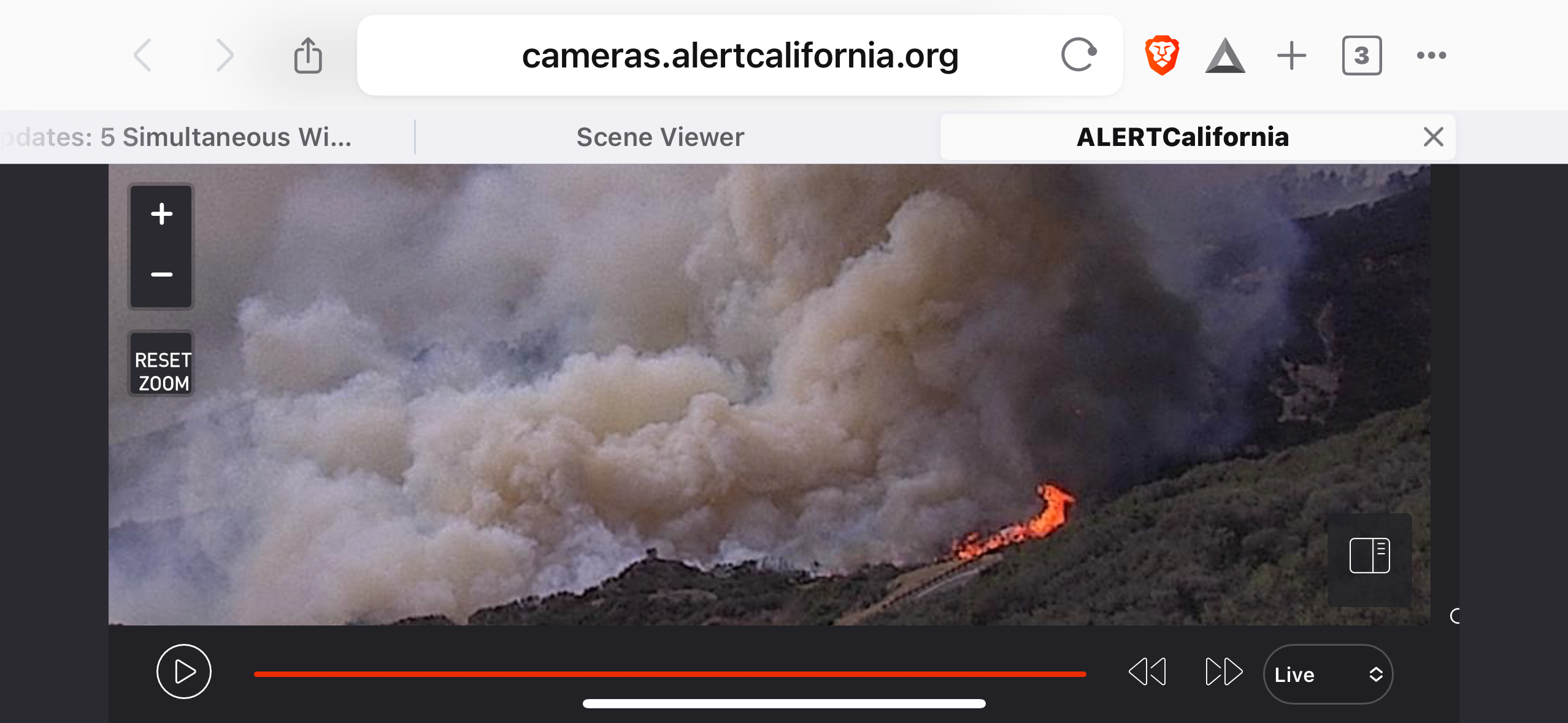
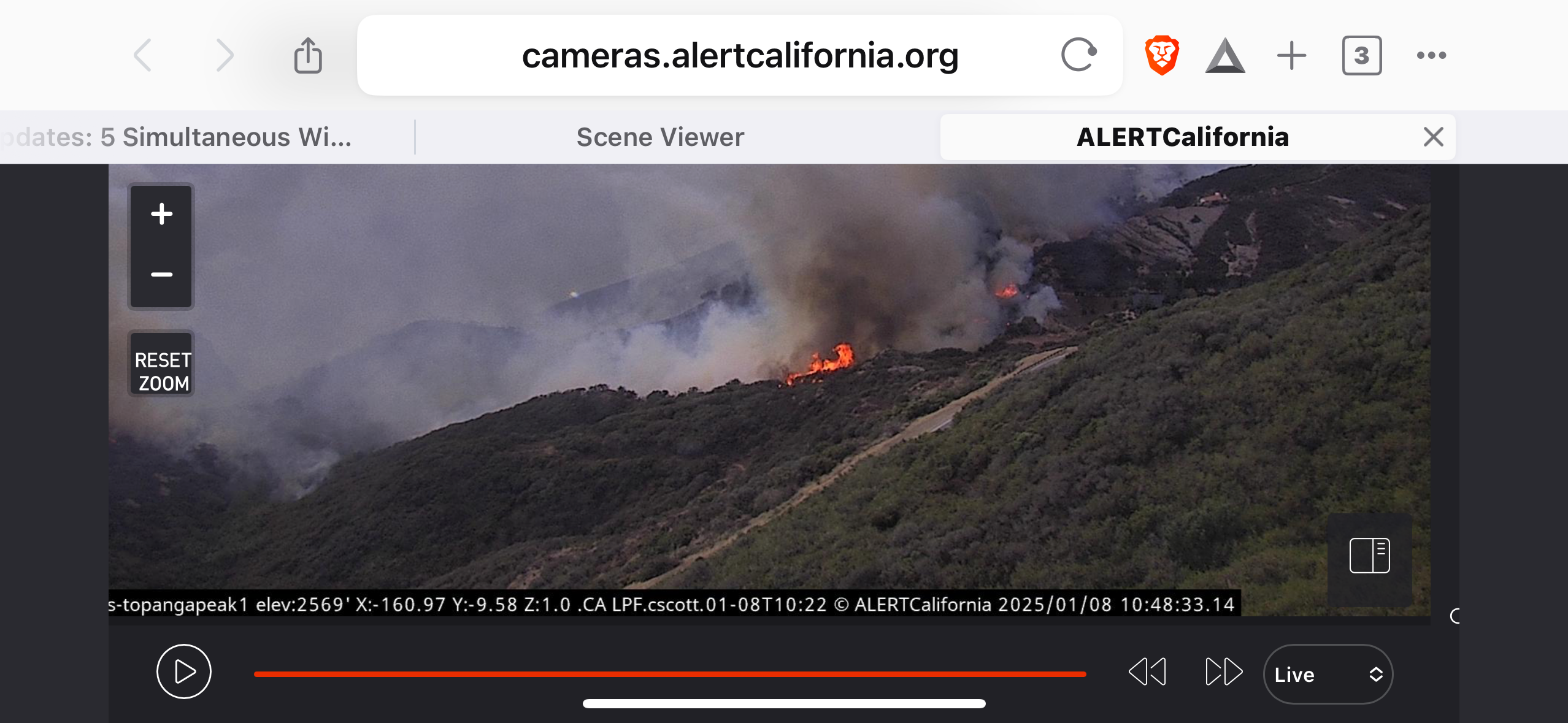
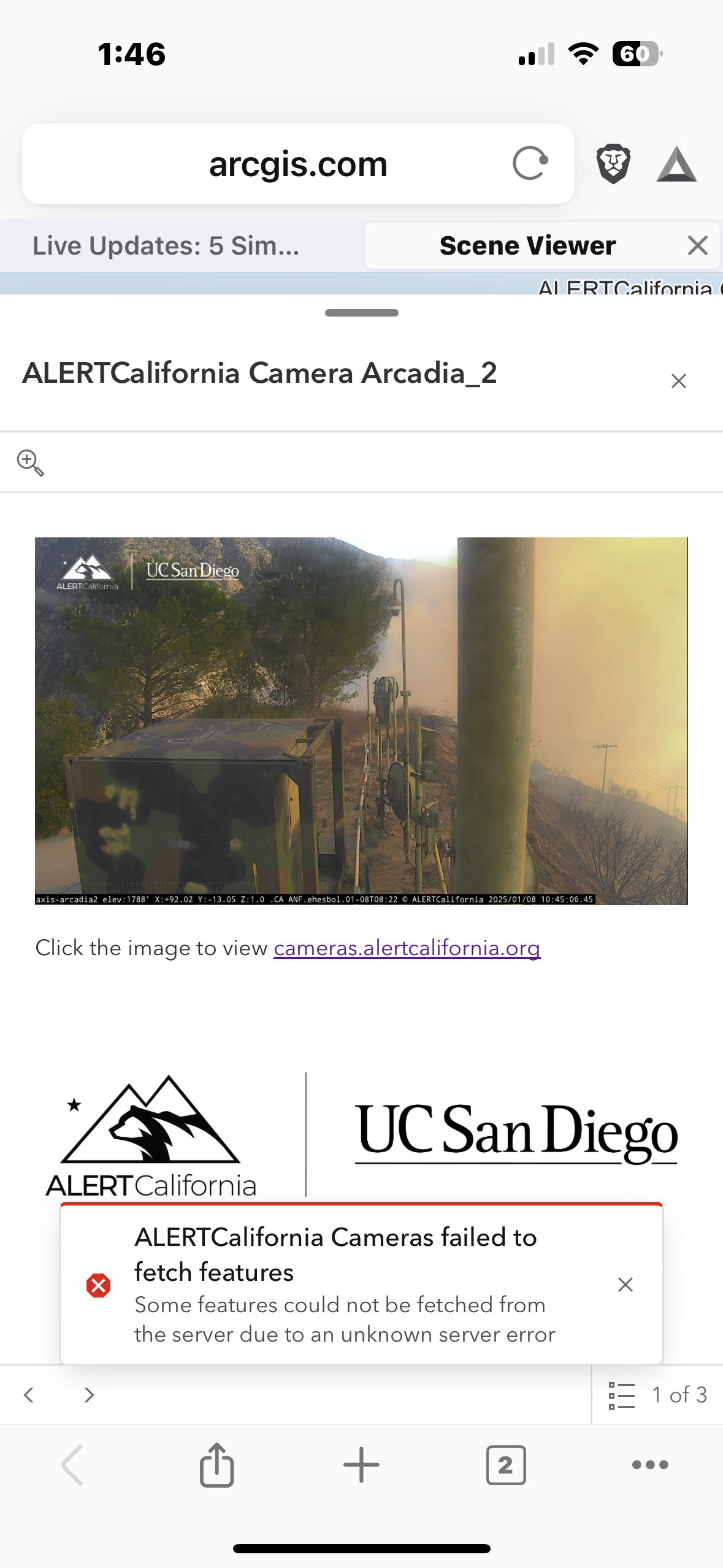
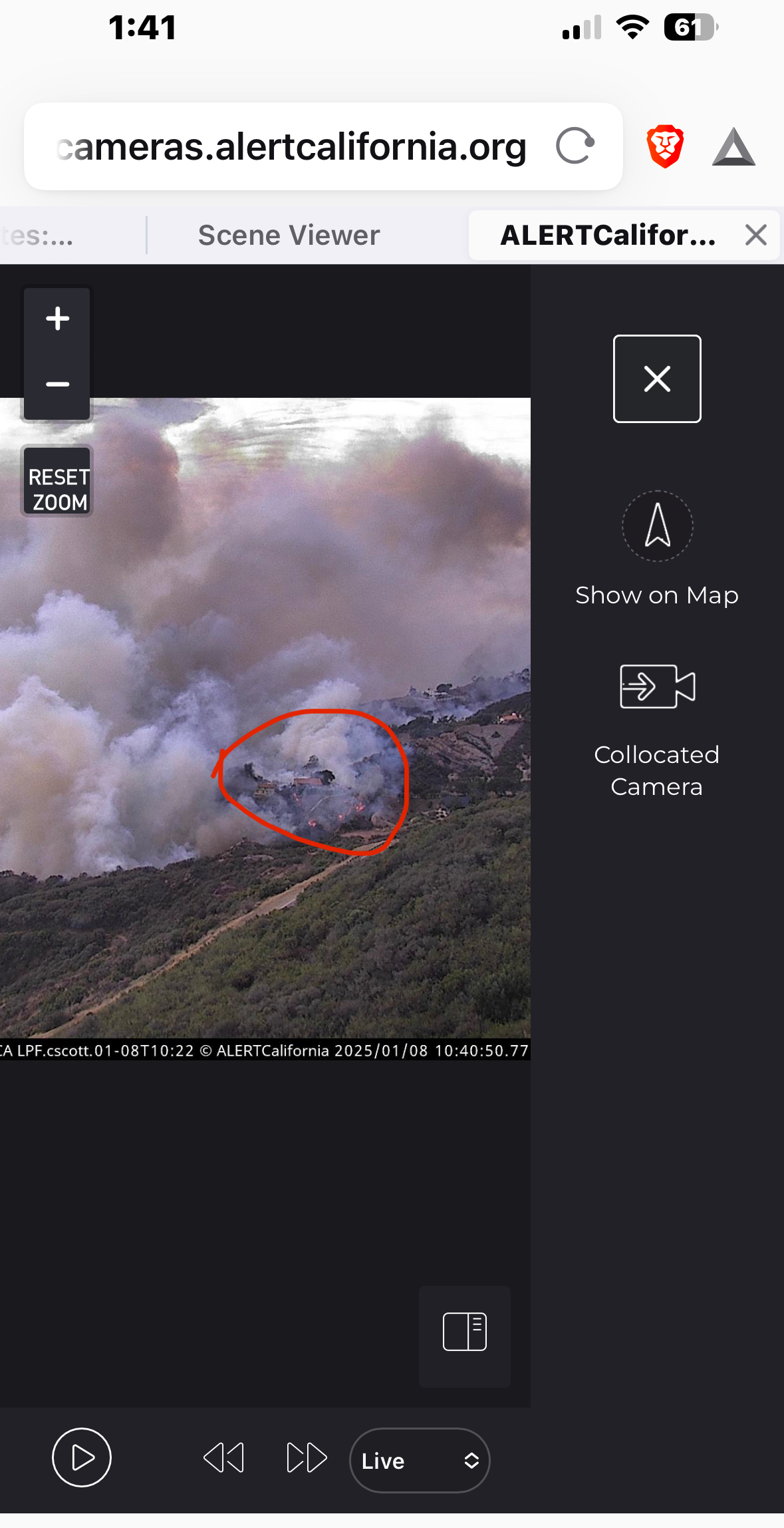
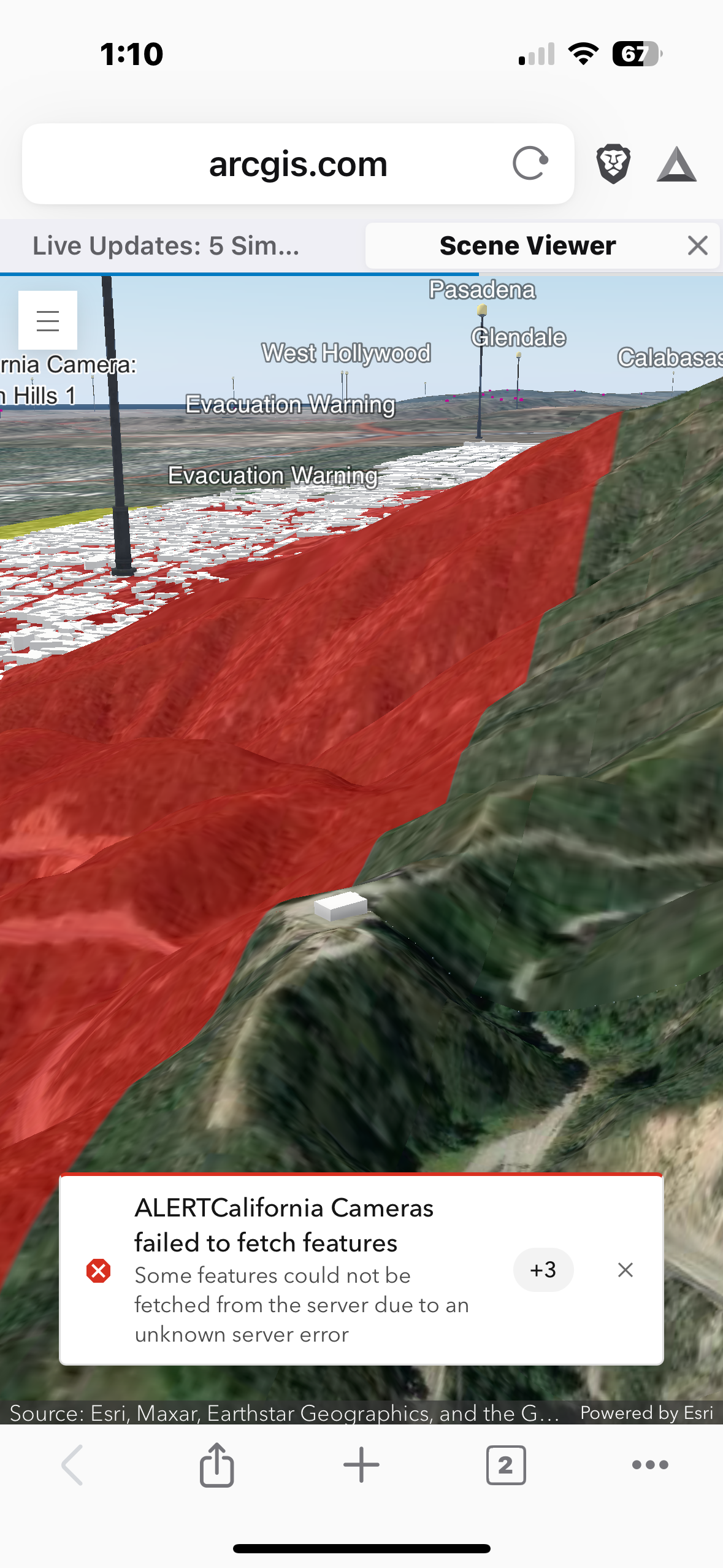
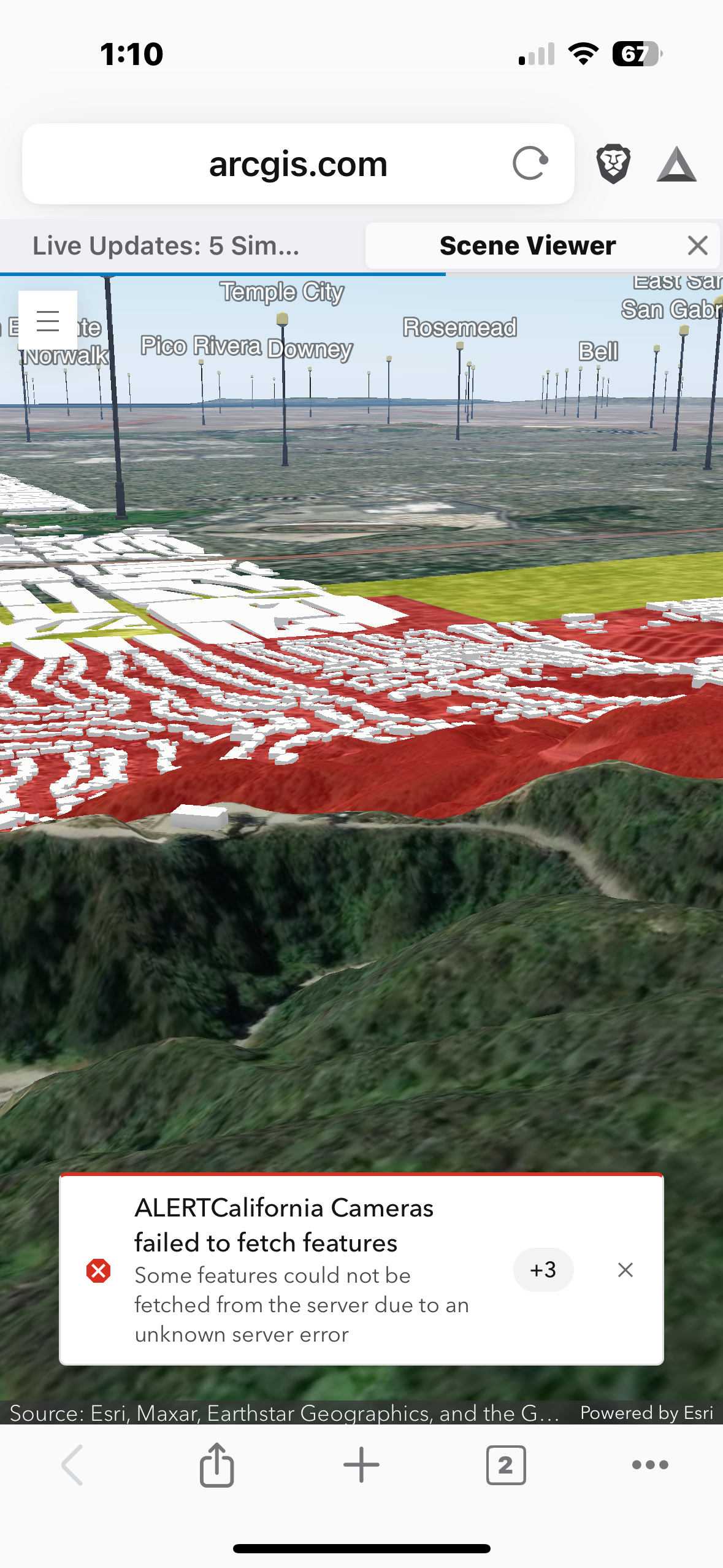
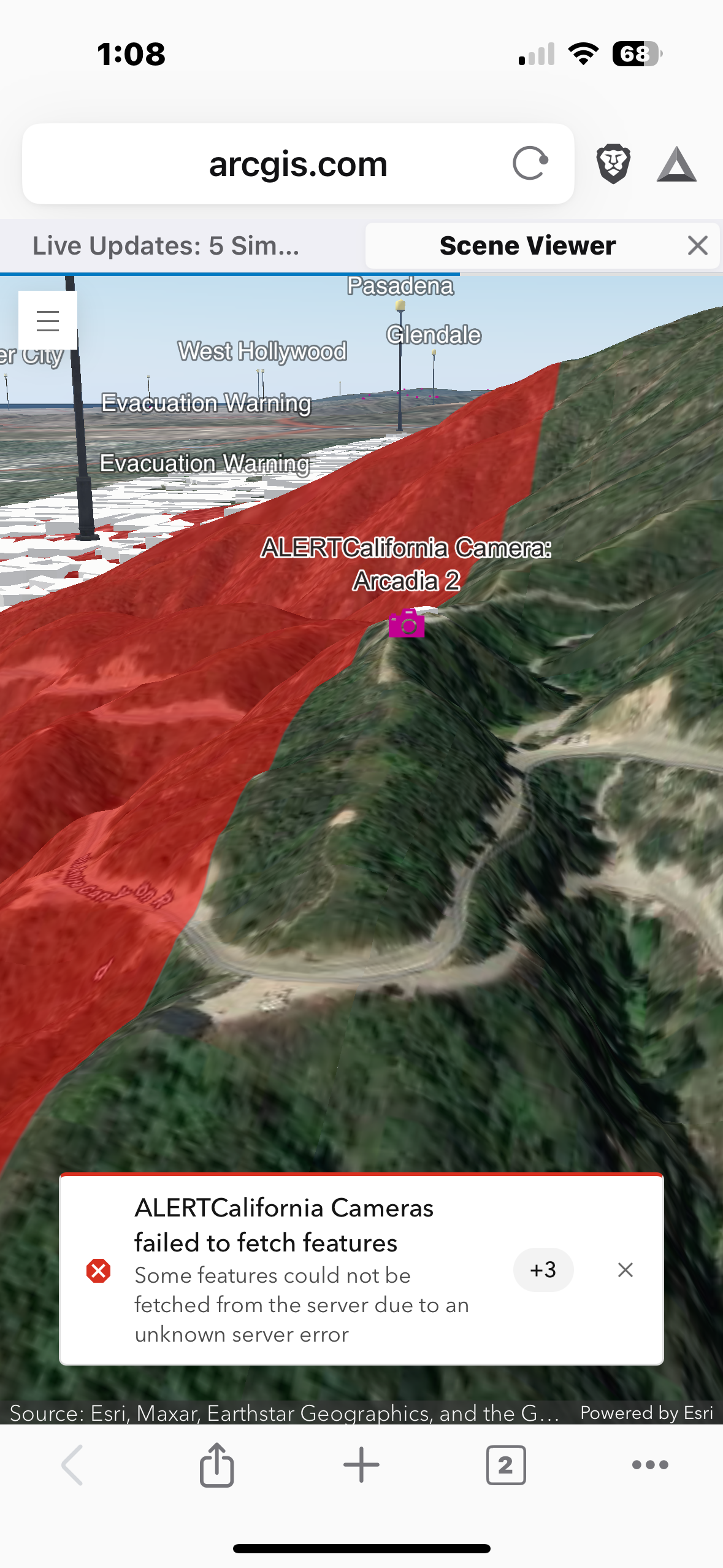
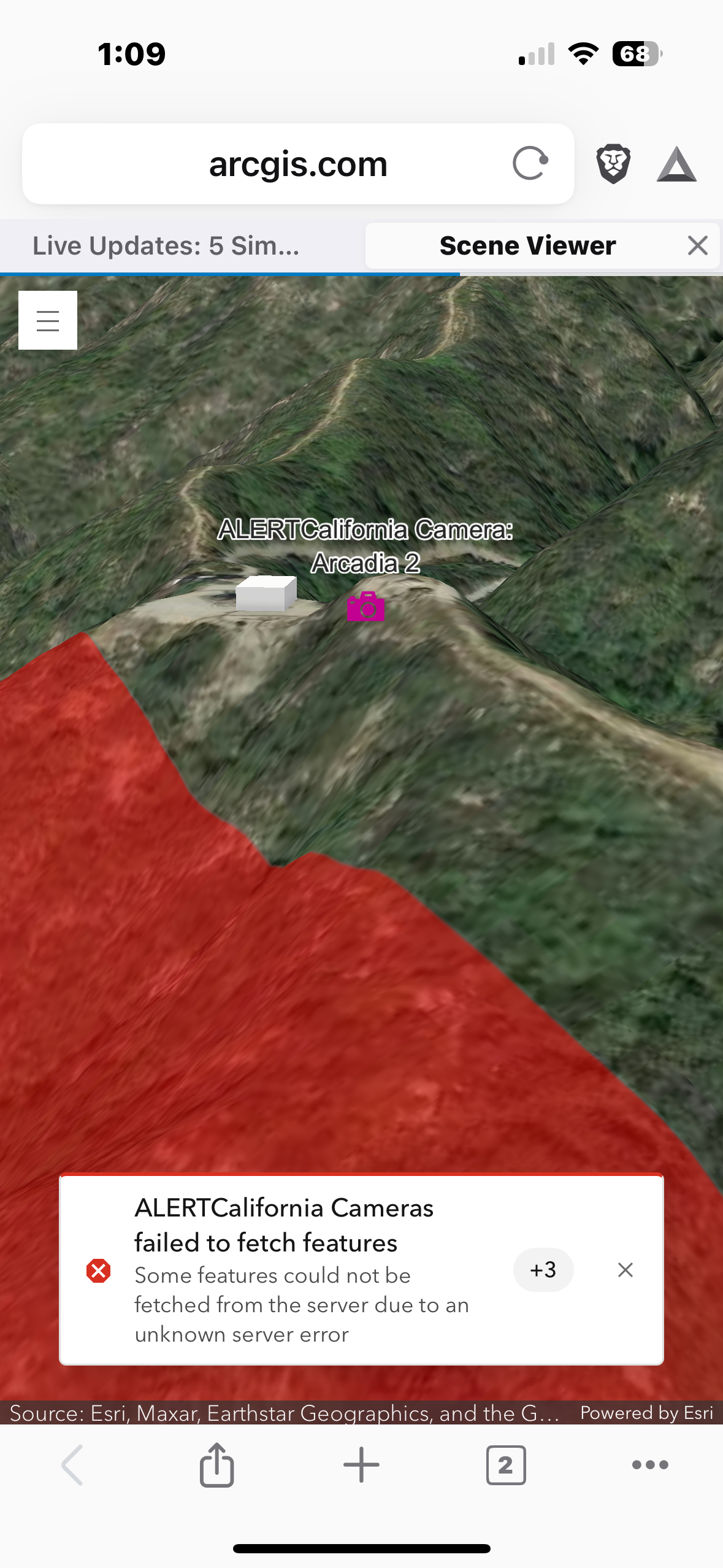
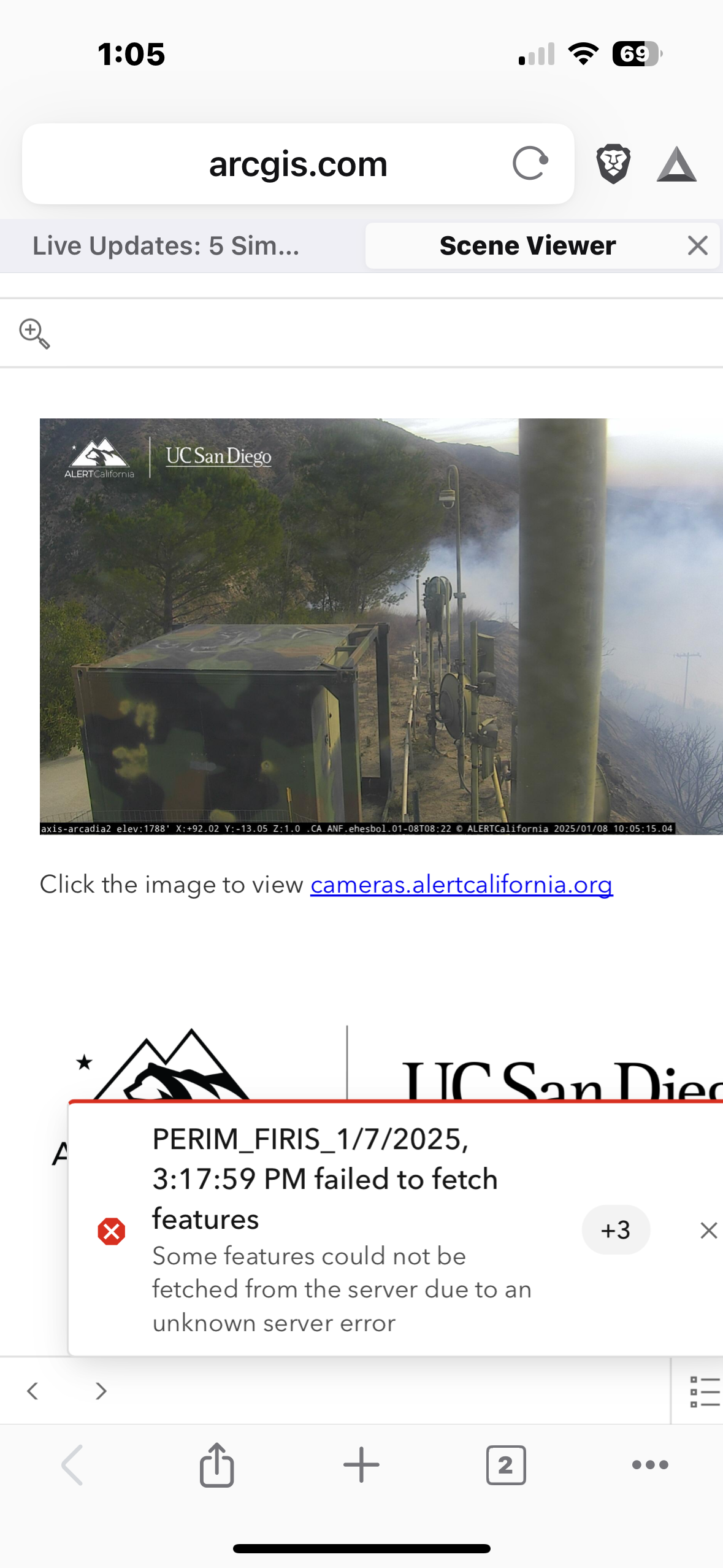
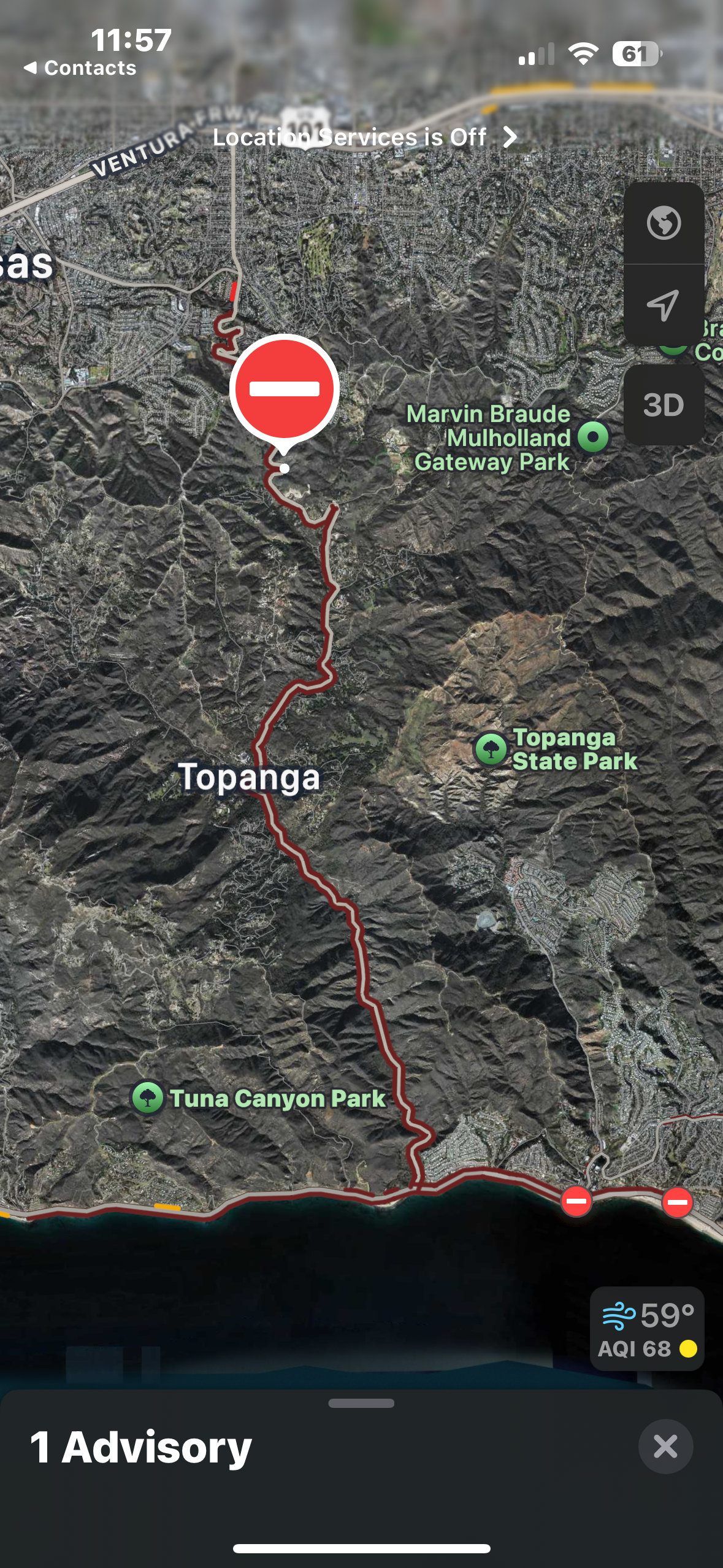
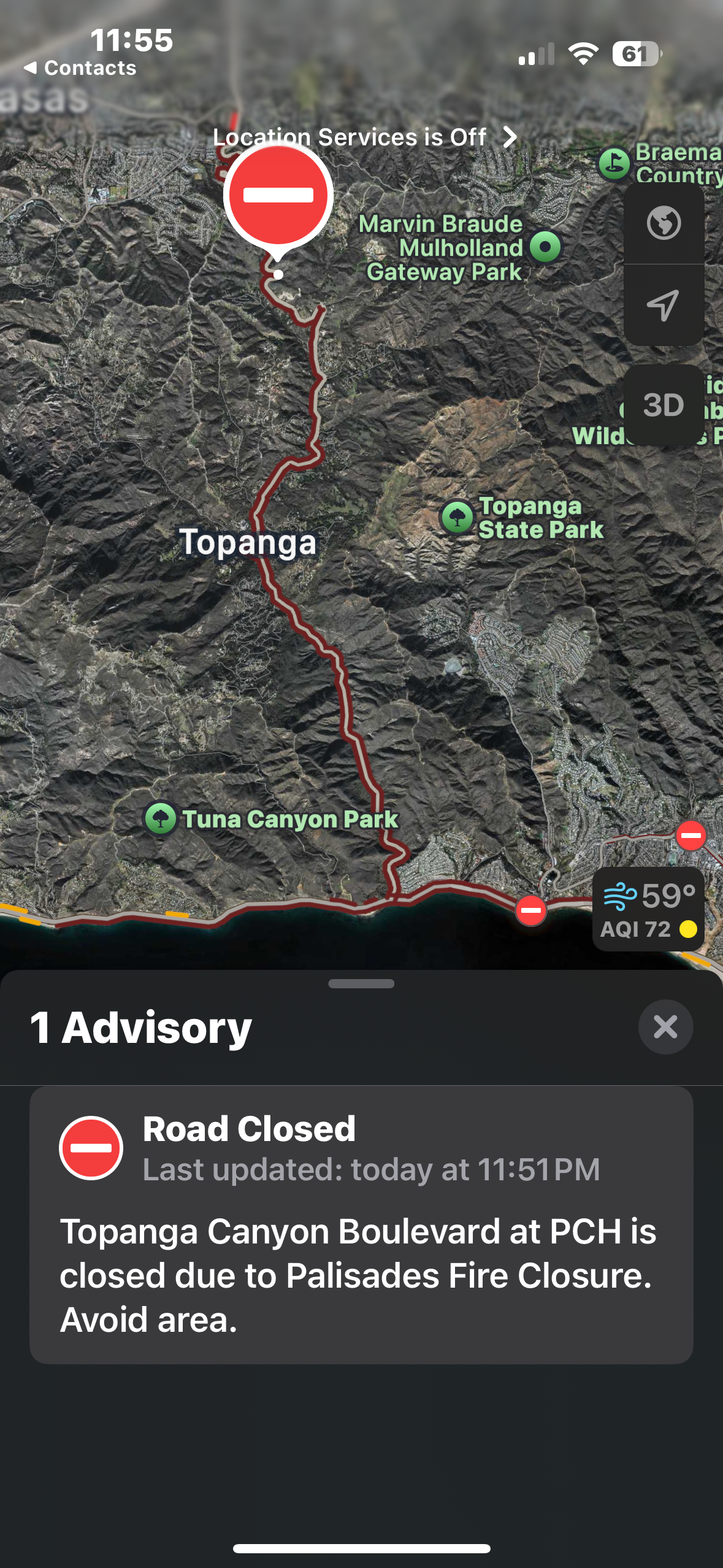
(My iPhone screenshots of the 2025 fire are below, taken as it developed, and they include some heartbreakers such as spectacular homes and barns catching on fire, and a homeowner racing back to his home in his pickup truck, only to be blocked by smoke and then fire, and then turning and retreating just as the flames engulf his position, his beautiful mansion going up in flames behind him. Some of the mountain cameras send messages that they cannot upload their images… because they have been burned to a crisp)
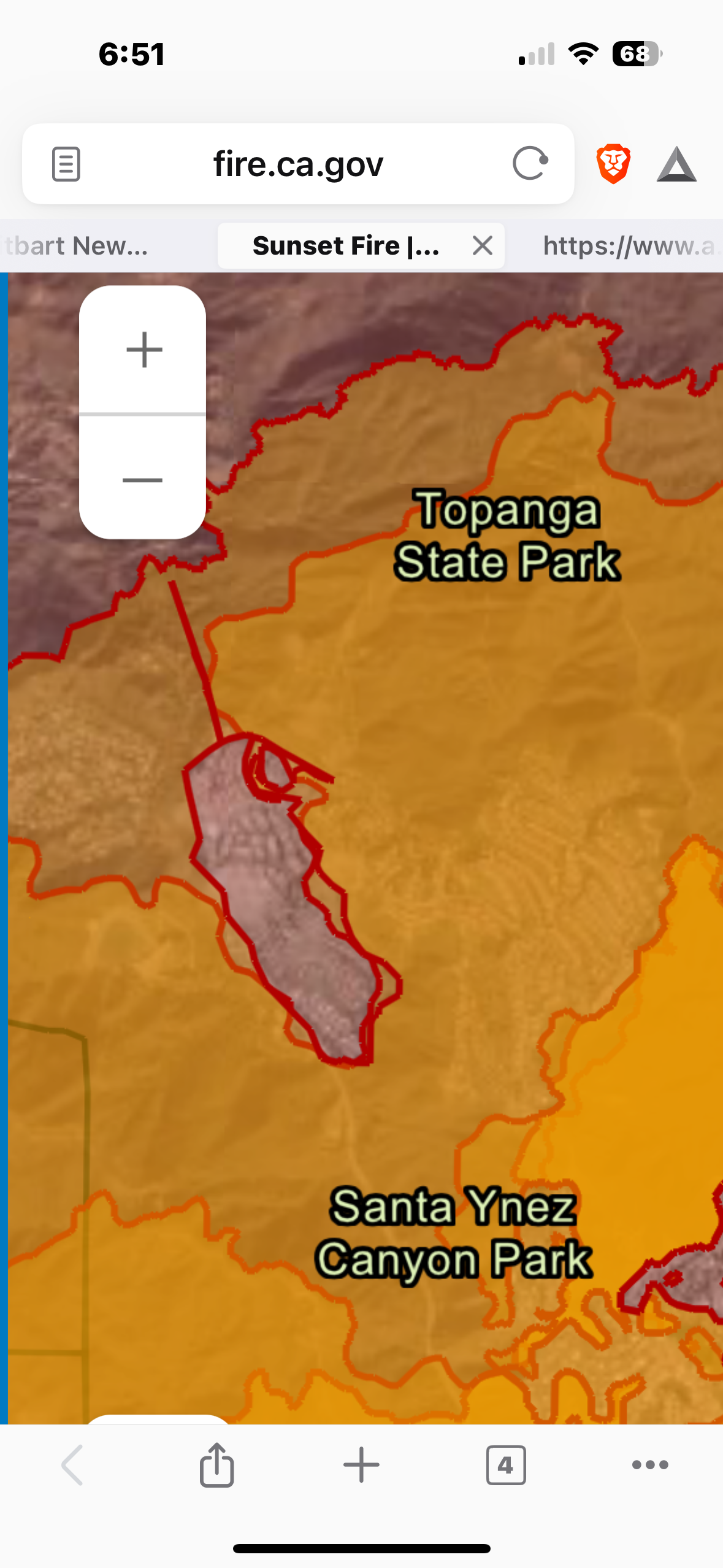
Recall that the beautiful Will Rogers homestead and farm in Topanga burned to the ground. It was my favorite hiking destination in SoCal
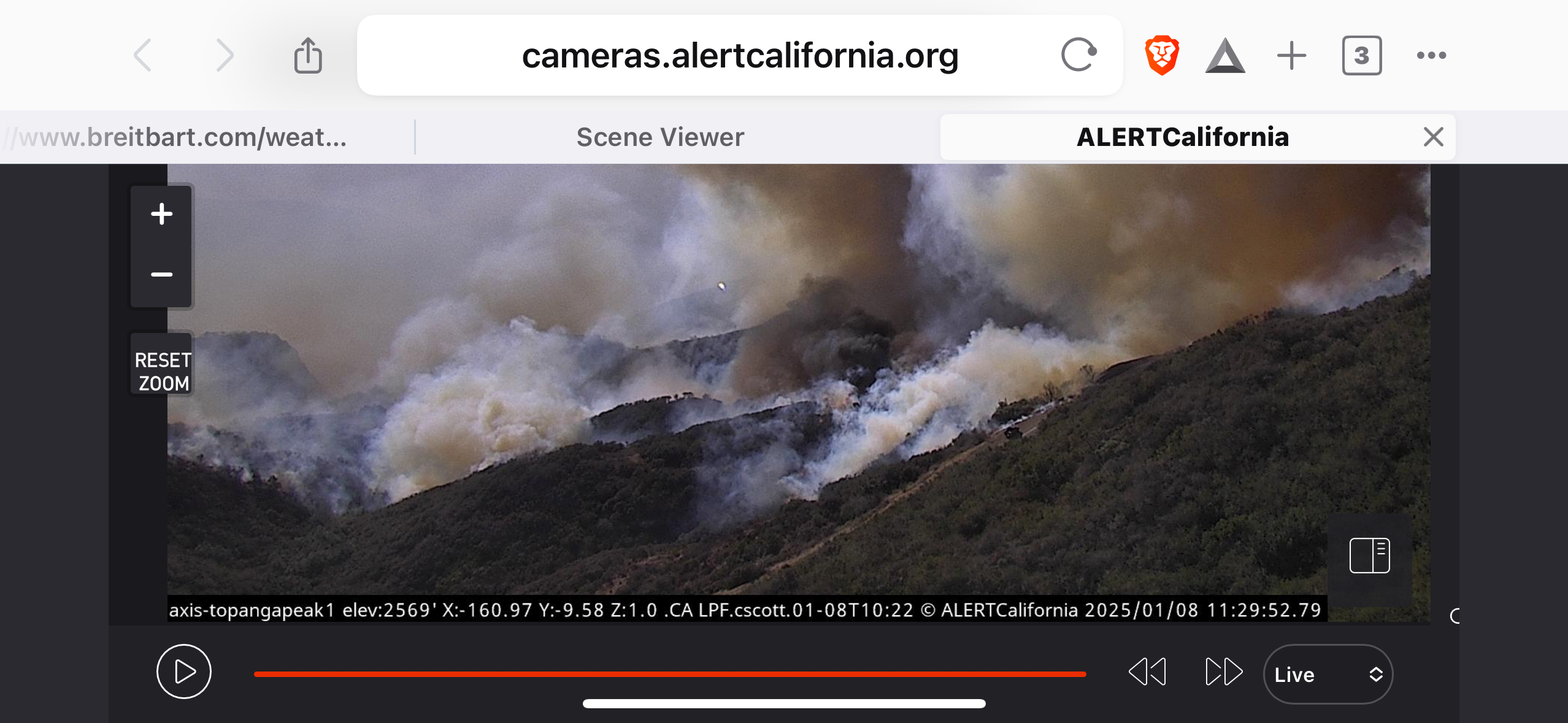
Note the pickup truck on the road. One of the screenshots I took showed the driver get out with his hands on his head, obviously upset


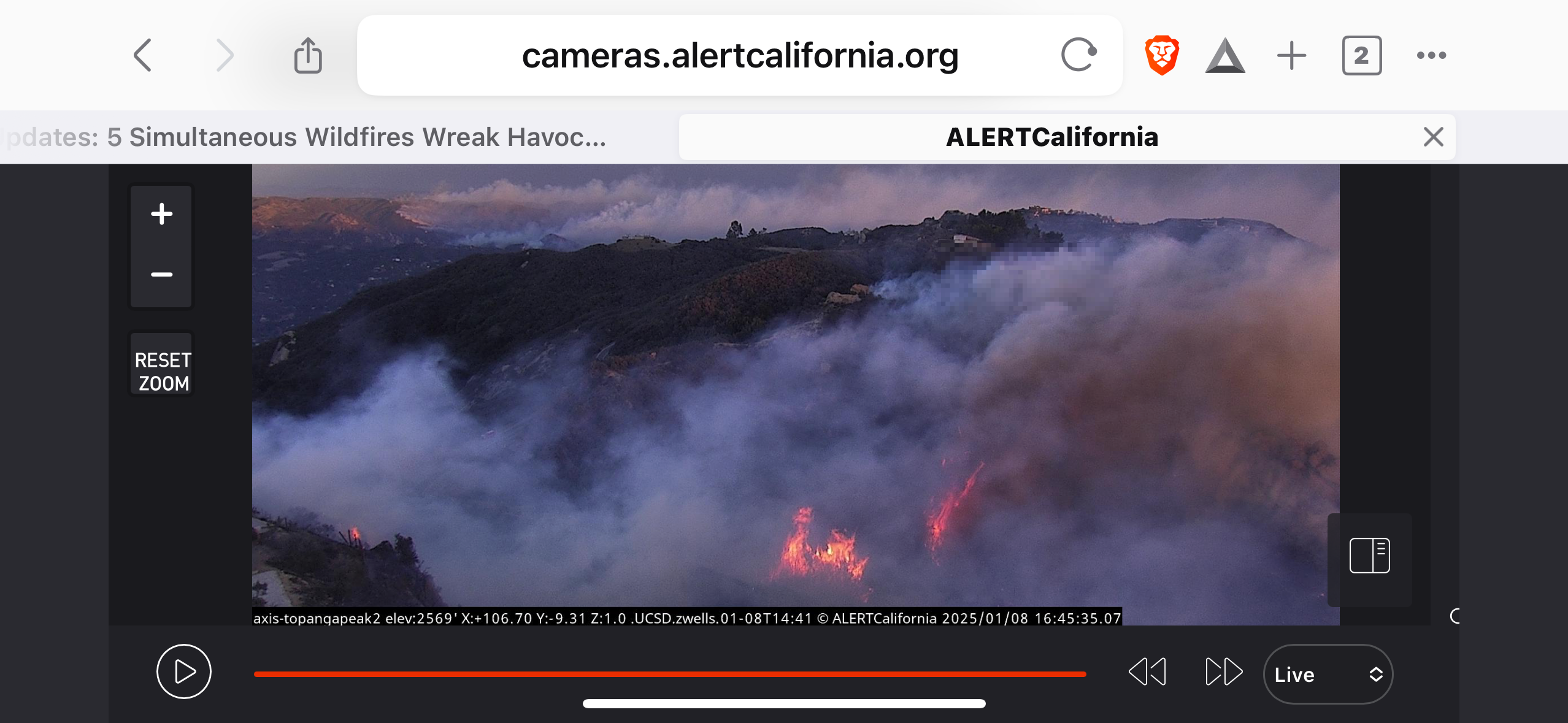
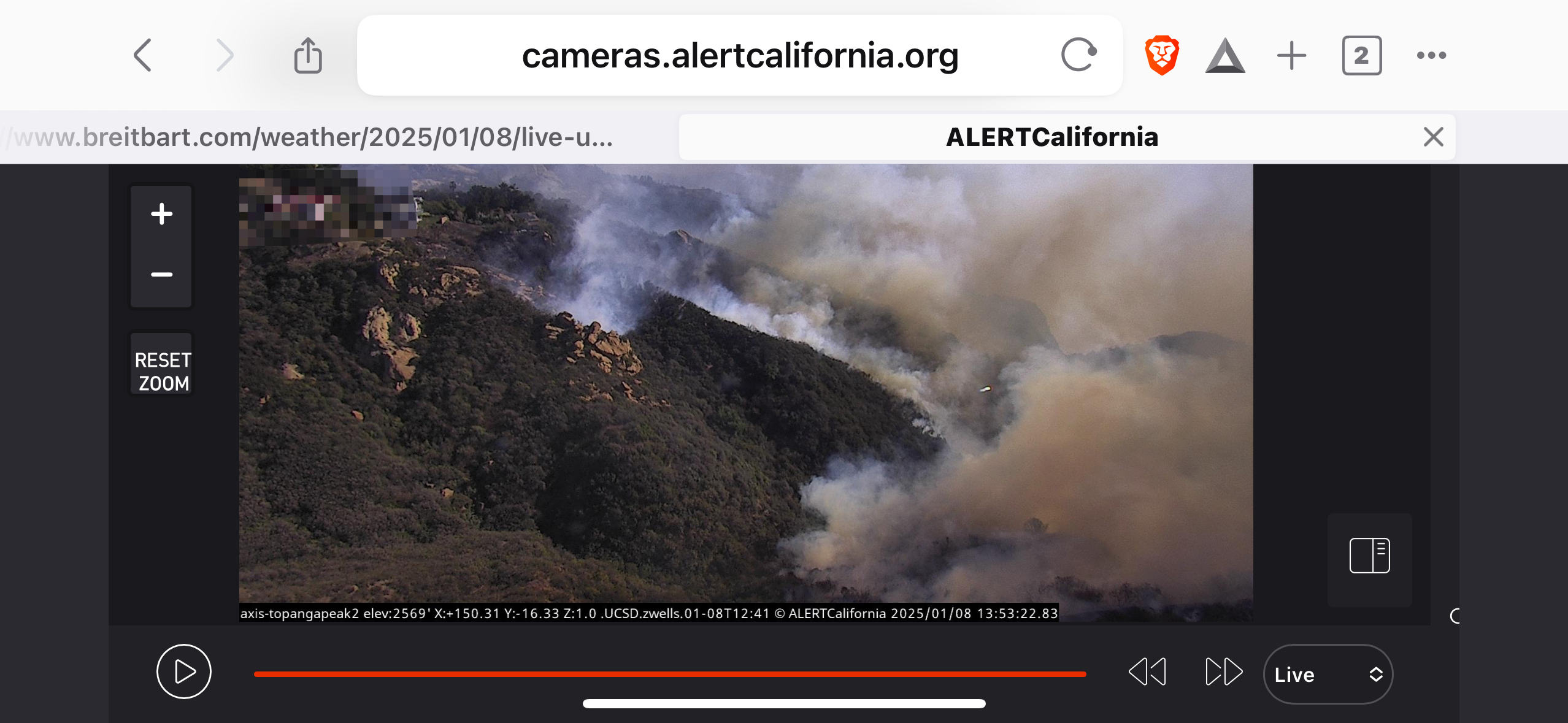

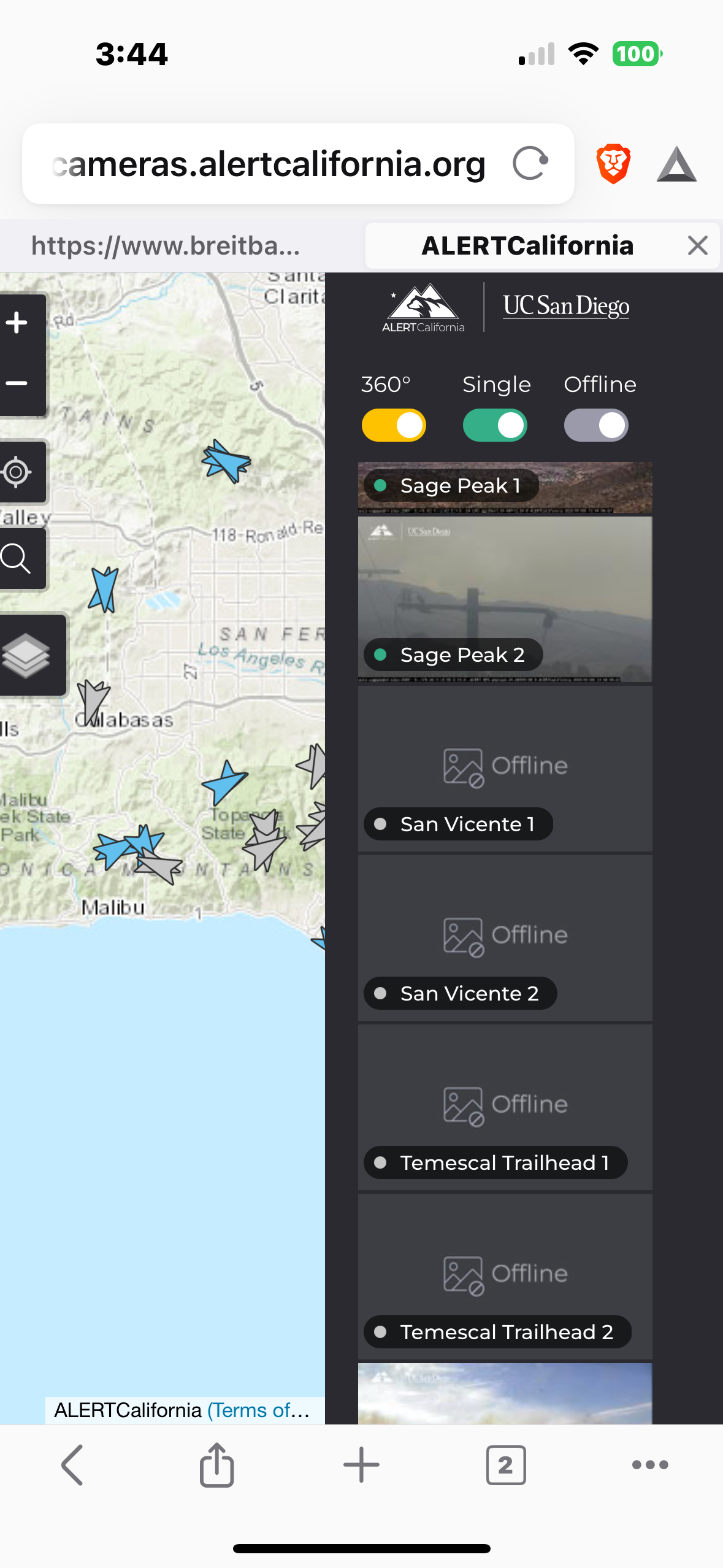


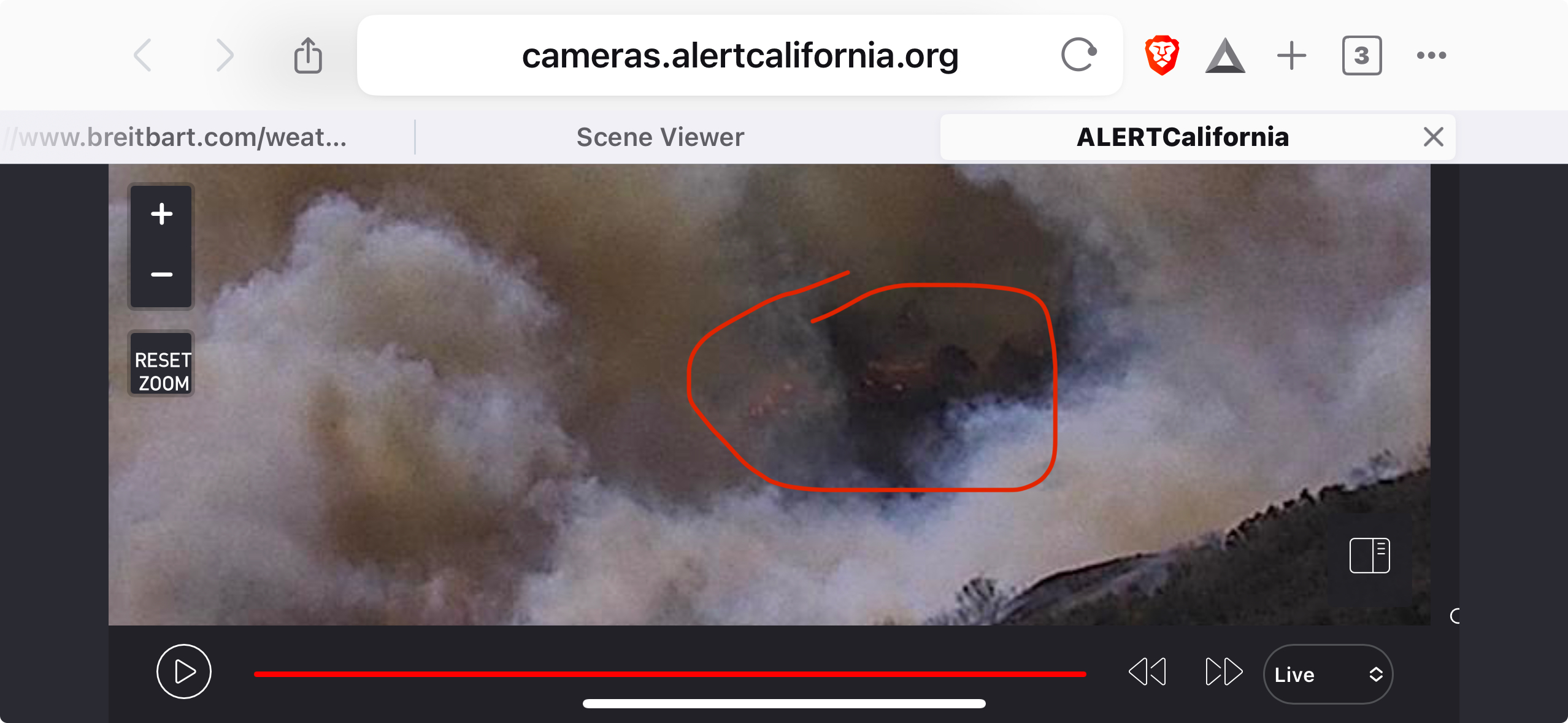











Earth Day: Protect What Matters
Today is Earth Day, a day annually marked for environmental protection. Good, we need it. We all need to breathe clean air, drink clean water, and eat clean food.
All kinds of organizations run advertisements today promoting a clean environment, a protected environment, wildlife habitat conservation, and so on. Most of the ideas we will see promoted today are worthy of attention and worthwhile policy efforts, while some of the more heavily marketed ideas are Marxist anti-capitalism dingbat stuff.
The two biggest challenges we have on Earth Day are overcoming the fake issue of human-caused “climate change,” and protecting the American economy. Achieving both of these goals will actually maximally protect the environment.
“Climate change” on its face is a factual thing, because Planet Earth has had constant climate change since its creation. Glaciers have come and gone on their own, sea levels have risen and fallen on their own, and plants and animals have come and gone as the greater environmental forces around them directly shape their habitat, the salinity of the water they live in, and the air they breathe. All of this dynamism has happened without any human intervention. In fact, most of it has happened without any humans existing at all.
Climate change continues on today just as it always has since the Earth was born, and though human actions might contribute to it in some minuscule way, the fact is that humans have a far greater and more measurable impact on more important environmental issues.
The problem with the current human-caused climate change hoax is that it sucks all of the air out of the room, leaving no oxygen for other real, actual, measurable and documented issues like lost wildlife habitat, farmland loss, water quality, forest fragmentation, and controlling the invasive plants and animals that are literally destroying our native environments and species.
All of the “climate change” policy bandied about is a result of bad modeling using flawed data, junk science, topped off with deliberate fraud and public shaming of heretics. The fake but well-heeled climate change industry is fueled by juicy foundation and government grants, making all kinds of financial incentives for people to continue this fakery. Fake climate change junk science can be a hell of a good business for a few private bank accounts!
Normal people see this obvious policy fraud and end up writing off the entire quest for environmental quality as just a bunch of “environmentalist wackos” trying to destroy Western Civilization. And indeed, a great many of the climate change advocates are in fact America-hating Marxists, whose suspect opinions aren’t worth spit. But it is not fair to roll all environmental quality efforts in with the climate change nonsense. Leftists include the real issues together with fake climate change to give climate change unwarranted credibility, while magical-thinking meatheads on the right also do it to discredit all environmental quality issues.
If there is one thing we have all witnessed over the past month of China Flu coronavirus here in America, it is that in addition to weakening America by sending our technology and jobs there, for decades Americans have exploited Chinese slave labor and the Chinese environment so that we could have more cheap junk available to play with at home. It is an undeniable fact that like the Russians before them, Chinese Marxism has destroyed the Chinese environment, while American capitalism has created the high living conditions here necessary for our citizens to expect environmental protection.
Capitalism protects the environment, while Marxism and communism destroy it through unbridled industrialism to buoy up their ruling elites.
Today, on Earth Day, the best thing we can do is to re-open the American economy and create the kinds of high quality living conditions here that incentivize environmental protection. Protect the world’s environment by repatriating American jobs from their thirty-year hiatus in China. Demonstrate to Americans that we can all enjoy high quality environmental protection without sacrificing our economy on the false altar of human caused climate change..or a Chinese virus whose effects are felt locally but whose costs are being applied equally everywhere across the United States.
Why California burns
Year after year, Americans are treated to images from California of flaming cars and zillion-dollar homes either burning down to the ground or sliding down canyon walls like toboggans on ski slopes.
No, these images are not from Hollywood movie sets designed to create fake images. These are the real thing, a hell on earth environment does in fact happen as badly on the ground each time we see it from afar.
Why these fires happen is right now subject to some debate, which does not make sense, because their explanation is very easy to understand.
No, President Trump did not cause these fires because his administration’s budget cut the fat off of some bloated California line item cost passed on to Americans everywhere. What a silly thing to say; it is just more “Trump did it!” goofball politics stuff.
No, “climate change” did not somehow cause these fires or the damage resulting from them. That would be impossible. Again, this is just silly politics stuff.
And no, sorry President Trump, these fires are not necessarily happening because California is mismanaging the forests there. That accusation would be correct for a lot of other Western areas, like Colorado, but I am sure that it does not apply to Malibu, California.
It is a fact that much of California’s landscape is a fire-based ecosystem, where wildfires are a constant, expected, and necessary part of the area’s natural cycles. Not only do the plants and trees there burn easily, some of them actually require fire in order for their seeds to germinate. For example, both redwoods and sequoias, two hugely famous trees that grow along California’s coast, have pine cones that will not open unless they are subject to fire. Without fire, these two tree species will not naturally regenerate. They evolved in a fire-based ecosystem.
Humans have built widely in this natural wildfire zone, by choice and with a lot of fore-warning about what they can expect while living there. So it is a mystery why the humans there then run about wringing their hands and trying to blame politicians whenever there is a wildfire that burns down their poorly placed buildings. Serious wildfire is one of the few things they can actually expect to experience at least once a year, every year.
Additionally, the soils along the California coast are the absolute worst types of soil for building on. These are crumbly, loose soils that move around easily, often following gravity downward and carrying whatever humans have built on them along for the ride.
Think about it this way: New York City is famously built on bedrock, a great feature for standing still on a solid base when humans have invested billions of dollars on skyscraper buildings above. Coastal California soils are the exact opposite of New York City’s bed rock.
According to the U.S. Geological Survey, “[these] soils are on side slopes of hills and mountains. These soils formed in residuum and colluvium derived from inter-bedded shale and sandstone. Slopes are 4 to 75 percent.”
What this sciency lingo means is that these soils are loose and easily eroded. Moreover, fire temporarily reduces plants holding the soil together, and then water carries the especially but temporarily loose soil to the ocean. This is natural, it is how this area was created. Building on it is foolish.
A dear friend of mine owns a wonderful vacant lot in the heart of Malibu. Her large tract overlooks the Pacific Ocean and is surrounded by very expensive futuristic homes. Despite this lot’s beauty, she hasn’t built on it yet, because it has been washed away several times and burned at least once. One night we were looking for her corner survey stakes, and we found them down the street. About two feet of soil had washed away in that rain storm; it was mass wasting, really. A home there would have gone along down the street.
Which begs the question: Why would people build homes in a wildfire-dependent ecosystem and on soils that are as slippery as wet soap and as solid as sand?
Well, there is another question, too, which is why are all those expensive homes built on the San Andreas fault? But we can’t answer that until The Big One rocks California to the bone (and we get to see if Californians have an ounce of self-reliance left).
More important, something is going on with the people who live in California. This ‘something‘ is not good, because they are living in a self-imposed fantasy land that does not want them to live there; it is trying to burn them out and flush their buildings into the Pacific Ocean. The people there know what to expect, and yet they do the wrong thing anyhow, over and over.
Watching them now trying to blame President Trump for their own poor judgment would be funny, except the political consequences are serious.
California: Beautiful place, fascinating geology and ecology.
Californians: Bad character, poor judgment, American taxpayer welfare queens.
UPDATE: A friend commented and pointed out that New Orleans is built below sea level next to the seashore, and that Miami is built on a sand bar in the direct path of most hurricanes, and that Phoenix, Arizona, is built in an arid desert with no water anywhere around. These are all similar examples of humans tempting fate and defying Mother Nature. Good luck with that. And yes, I do feel badly for the people who have been directly affected by the most recent fire around Malibu, Paradise, and other California locations. How could I not feel bad for them? It is a sad situation. But the message of this post is that humans cannot successfully defy Mother Nature. It just never ends well for either party, but unlike the humans, Mother Nature can almost always fix herself. Humans need better development planning.
Aggressive timber management necessary in the Northeast
When I tell some people how aggressively we try to manage standing timber (forests), they often recoil. It sounds so destructive, so environmentally wrong.
It is not environmentally damaging, but I will be the first to admit that the weeks and months after a logging operation often look like hell on the landscape: Tops everywhere, exposed dirt, skid trails, a tangled mess where an open woods had stood for the past sixty to eighty years just weeks before. No question, it is not the serene scene we all enjoyed beforehand.
This “clearcutting” gets a bad name from poor forestry practices out West and because of urban and suburban lawn aesthetics being misapplied to dynamic natural forests.
However, if we do not aggressively manage the forest, and the tree canopy above it, then we end up with tree species like black birch and red maple as the dominant trees in what should be, what otherwise would be a diverse and food-producing environment. Non-native and fire-sensitive species like ailanthus are quickly becoming a problem, as well.
When natural forest fires swept through our northeastern forests up until 100 years ago, these fire-sensitive species (black birch, red maple) were killed off, and nut trees like oaks, hickories, and chestnuts thrived. Animals like bears, deer, turkey, Allegheny woodrats, and every other critter under the sun survived on those nut crops every fall.
Without natural fire, which is obviously potentially destructive and scary, we must either set small prescribed fires, or aggressively remove the overhead tree canopy to get sufficient sunlight onto the forest floor to pop, open, and regenerate the next generation of native trees. Deer enjoy browsing young tree sprouts, so those tasty oaks, hickories, etc that lack sufficient sunlight to grow quickly usually become stunted shrubs, at best, due to constant deer nibbling. Sunlight is the key here.
And there is no way to get enough sunlight onto the forest floor and its natural seed bed without opening up the tree canopy above it. And that requires aggressive tree removal.
Northeastern forests typically have deep enough soils, sufficient rainfall, and gentle enough slopes to handle aggressive timber management. Where my disbelieving eyes have seen aggressive management go awry is out west, in the steep Rockies, where 1980s “regeneration cuts” on ancient forests had produced zero trees 25 years later. In fact, deep ravines had resulted from the flash-flooding that region is known for, and soil was being eroded into pristine waterways. So, aggressive timber management is not appropriate for all regions, all topography, or all soils.
But here in the northeast, we go out of our way to leave a huge mess behind after we log. Why? Because how things appear on their surface has nothing to do with how they perform natural functions. Those tangled tree tops provide cover for the next generation of trees and wildflowers, turtles and snakes, and help prevent soil erosion by blocking water and making it move slowly across the landscape.
Indeed, a correctly managed northeastern forest is no place for urban or suburban landscape aesthetics, which often dictate bad “select cut” methods that work against the long term health and diversity of the forest, as well as against the tax-paying landowner.
So the next time you see a forest coming down, cheer on the landowner, because they are receiving needed money to pay for the land. Cheer on the loggers and the timber buyers, the mills and manufacturing plants, and the retailers of furniture, flooring, and kitchen cabinets, because they all are part of a great chain of necessary economic activity that at its core is sustainable, renewable, natural, and quintessentially good.
When the government just takes your land
About four years ago, Pennsylvania state government created a new regulation setting aside 150-foot buffers on waterways classified as High Quality and Exceptional Value.
This means that 150 feet from the edge of the waterway up into the private property, it’s designated as off-limits to most types of disturbances.
The purpose was to protect these waterways from the effects of development.
The end result is an obviously uncompensated taking of private property by the government. When the government takes a tape measure and marks off your own private land and says you can’t do anything with this huge area, or a road is going through, you’re simply taken advantage of. You’re robbed. It’s Un-American. It’s unconstitutional.
Pennsylvania is a great state. I love living here. It’s saddening to see such top-down, command and control, clunky, one-size-fits-all regulations in this day and age. We can do so much better than this approach.
To start, create incentives for landowners to go along. Give tax credits and write-offs for land taken by government.
Do we all want clean air, soil, and water? Sure. Breathing, eating, and drinking clean air, food, and water are necessary to surviving. But that’s not the question.
The question is HOW we pursue those goals.
Requiring American citizens to simply give up their investments, with no compensation, creates losers in a system that was originally designed to make everyone a winner.
Instead of pitting government against the citizens, we need policies and laws that help and serve citizens, that are fair to citizens. That is by definition good government.
This current 150-foot buffer regulation is by definition bad government.
US Senate Filibuster Yields Unsurprising Results
US Senator Rand Paul filibustered for 13 hours until he received a written response from the White House to his request for an explanation about the Obama administration’s policy on drone strikes against American citizens on American soil.
US Attorney General Eric Holder had publicly said yes, such drone strikes would be legal, prompting an outpouring of amazement from the political left and right. Due process is, after all, a core part of an American citizen’s God-given rights. Due process would normally require a citizen to be tried by a jury and found guilty before the government could exact the death penalty against him\her, and weaponized drone bombings are not a usual method of execution, yet.
So finally the White House contradicted Eric Holder, and decided drone strikes against Americans on American soil are not allowable. The amount of time that lapsed makes you wonder what’s on their minds over there, though, because they clearly had to think it through. What seems so obvious to most Americans was not so obvious to the Obama folks.
And that’s the real story right there: What is quintessentially American is utterly alien to the Obama administration and their supporters.