Posts Tagged → operations
I-81, the 1950s relic
While making an epic deep-South deep-dive last week, I had the interesting experience of driving on a great long stretch of the I-81 interstate. Holy Moses. I have returned alive and in one piece to report back on this journey-by-traffic, and to ask a basic government policy question.
Originally started in 1957 to connect northeastern Pennsylvania to Upstate New York and southern Canada, for moose hunters, one presumes, today I-81 connects Upstate New York/ Canada with Tennessee, and in doing so it transverses New York, Pennsylvania, West Virginia, Maryland, Virginia, and penetrates deeply into Tennessee, where I-81 ends and I-40 then seamlessly takes up the west-ward flow of vehicles and young men.
In its day, it seems that much of our 1950s built infrastructure was considered grand, even sometimes grandiose. Sure, back then, the idea of paving hundreds and hundreds of miles of highway with bazillions of tons of mined quarry aggregate and petroleum tar probably seemed an achievement just short of landing on the moon. And indeed, building modern highways is still a real achievement of science and technology, as well as physical manpower.
After all, a road is nothing more than liquid rock, which was mined, picked, blasted, bulldozed, lifted, trucked, crushed, and re-constituted in heated form with tar that, when it all settles and dries, provides a comfortable high speed driving surface. It is nothing less than a miracle to remove millions of tons of rock from the ground, process it, then put it back on top of the ground so that humans can easily and smoothly travel.
Today, Americans take good roads, smooth roads, for granted. Probably like everything else in our lives, to be honest. But the harsh truth is that our road system is aging, and I-81 is a good example of both the old combination of muscle, modern science, and good government, in short a real miracle, meeting up with the harsh reality of fulfilling our dreams by failing to maintain the big investments of yesteryear.
What did not follow in I-81’s wake, in either functional or miraculous form, was the simple funding necessary to operate and maintain this and all of the other incredible roads that make up our interstate system.
The I-81 experience today of driving at modern posted speeds of 60-70 miles per hour, on a crumbling two-lane roadway, that is chock full of bumper-to-bumper traffic, sucks mightily. Such a wild experience begs the question: Why the hell is 2026-level traffic expected to safely transit from Canada to Tennessee on a crowded two-track?
Why the hell is I-81 almost entirely two lanes in each direction, for hundreds and hundreds of miles, with only a few three-lane passing zones on steep hills thrown in helter skelter? It is a study in modern combat driving. It is a study in strange political choices, funding priorities.
The same can be said for the two-lane I-78, which brings New Yorkers and New Jerseyites westward into Pennsylvania, where, after fleeing their fouled nests back east, they settle here and begin voting for the same damned failed policies and ideologies that fouled their nests and drove them out in the first place.
Come to think of it, keep I-78 at two lanes.
And now come to think of it, while remembering a couple of the conversations I had with locals in the middle of rural southern Tennessee farmland on the Mississippi border, maybe this is the reason why I-81 remains a two-track the entire damned way: Keeping the damned Yankees out!
And with that in mind, now I understand: The narrow road and the local Southern attitude are both relics of the 1950s. Yep, now it all makes sense.
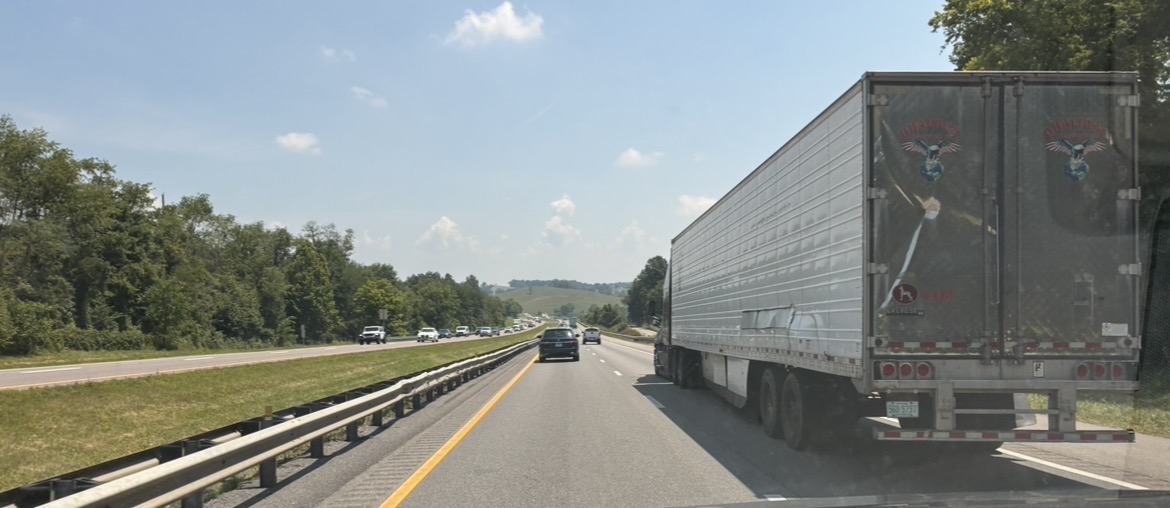
I-81 in both directions is packed with high speed traffic
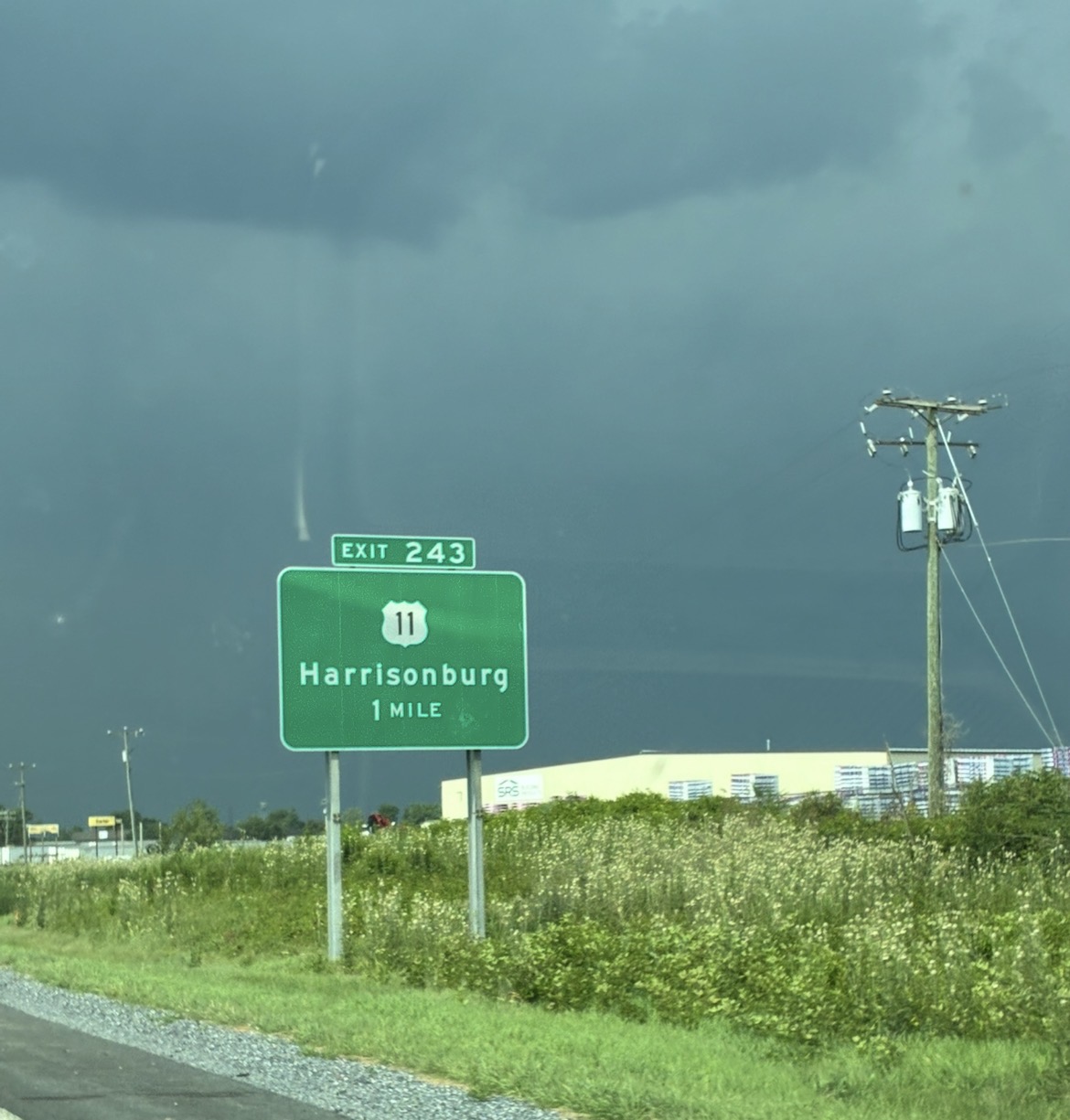
Not to be confused with Harrisburg, PA, but it happens anyhow
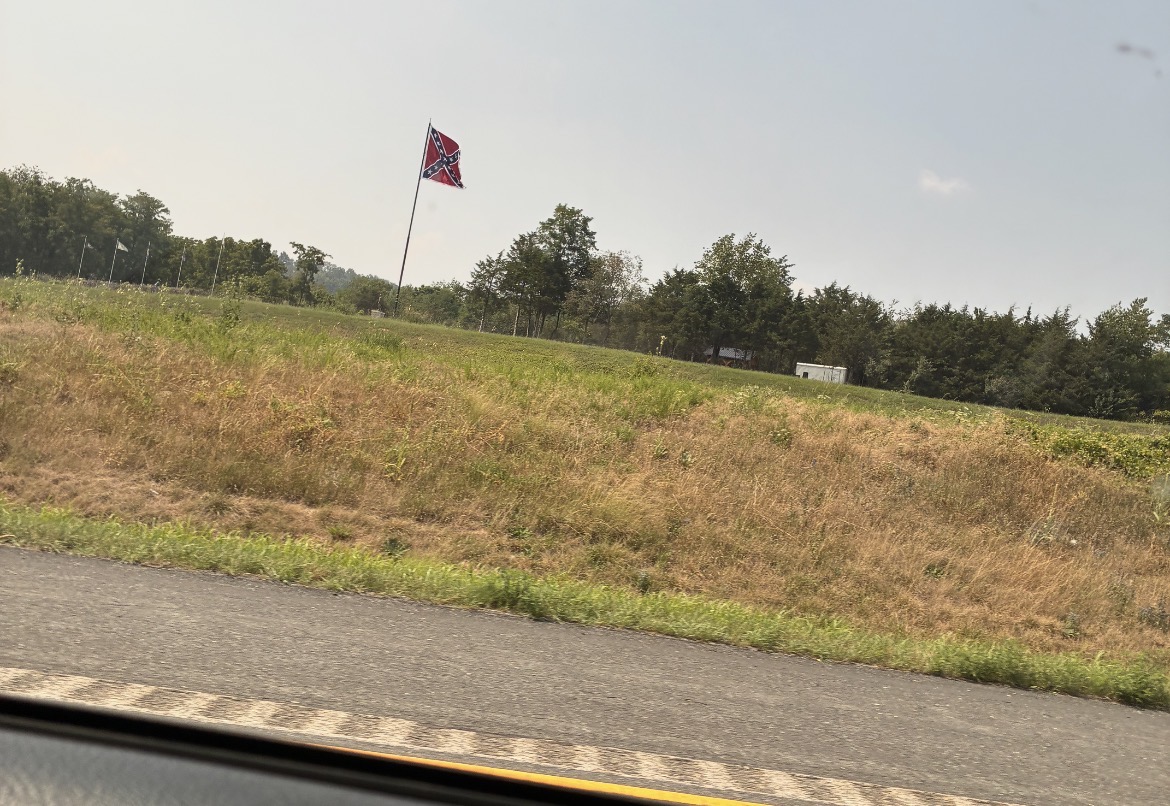
First and only Stars-and-Bars I saw the whole trip, and this in central VA. None in rural TN, where I saw they dominated the American flag forty years ago.
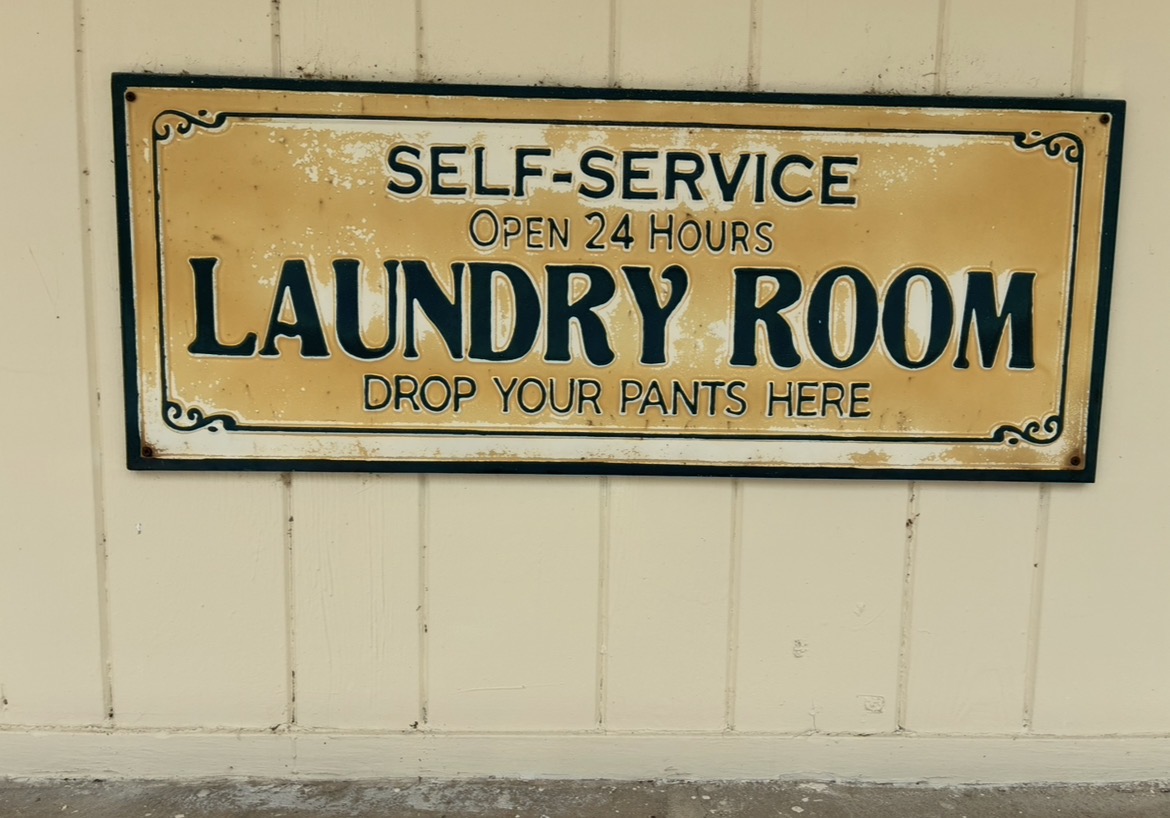
Southern humor. Works for me
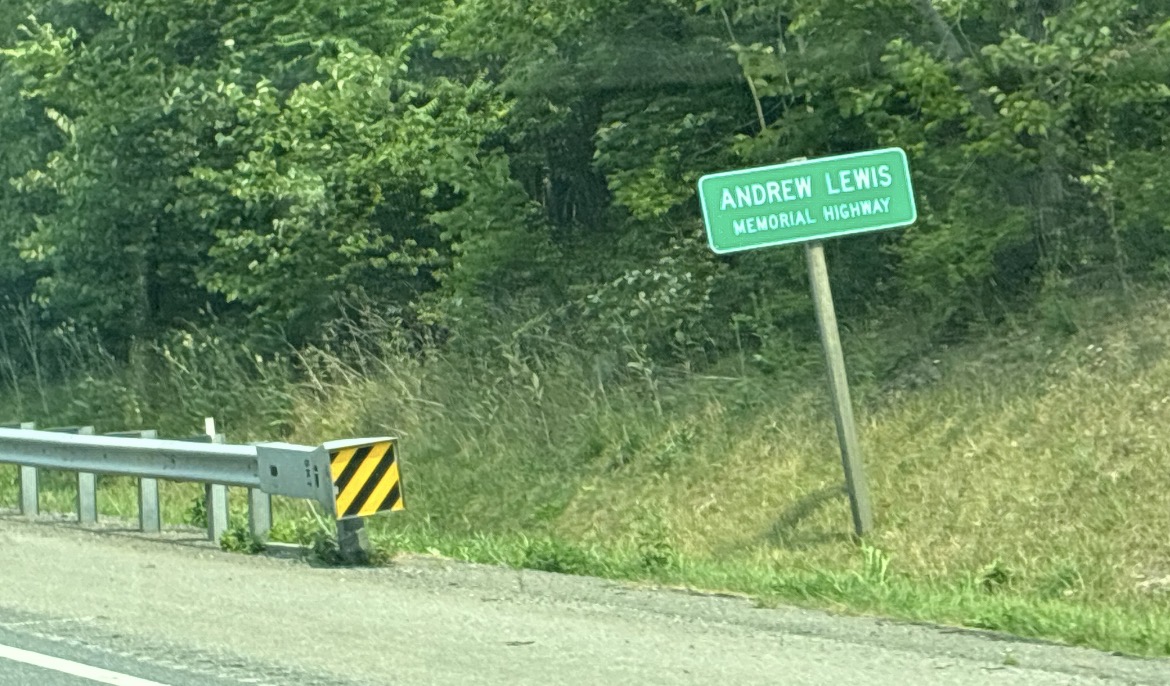
Said living former PA politician texted back “Reports of my death are greatly exaggerated.” Different guy, same name.
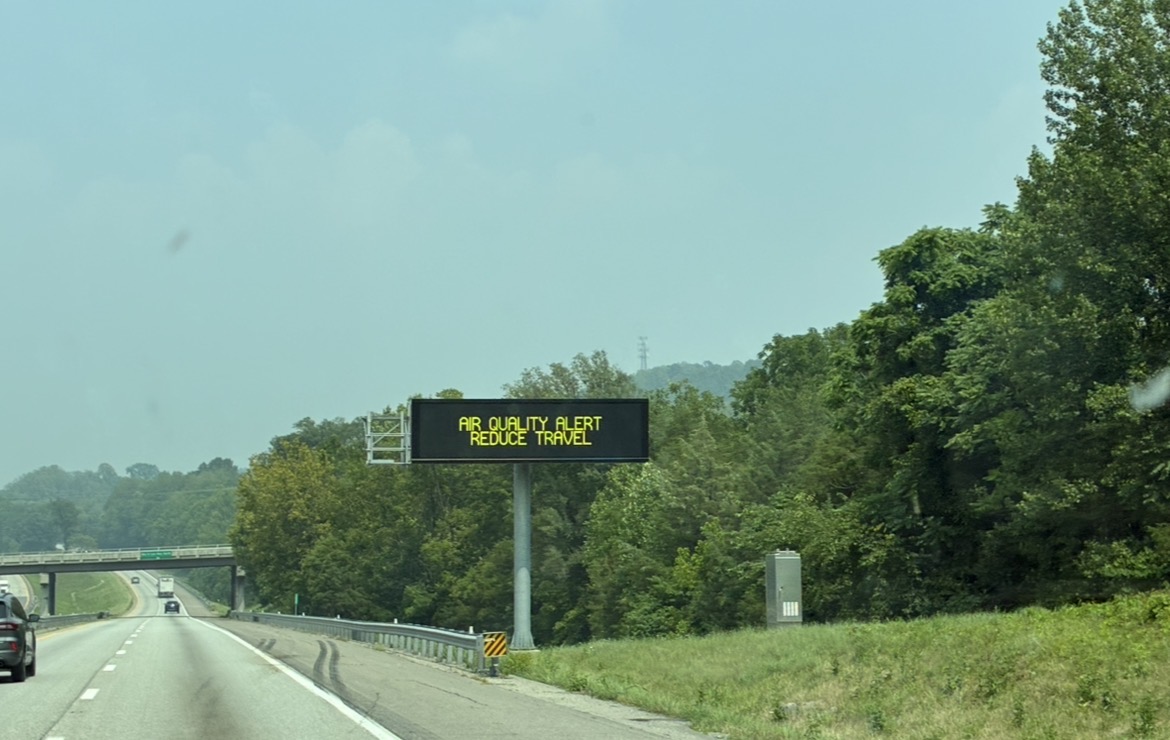
Canada’s forest fires influenced life on Southern American roads
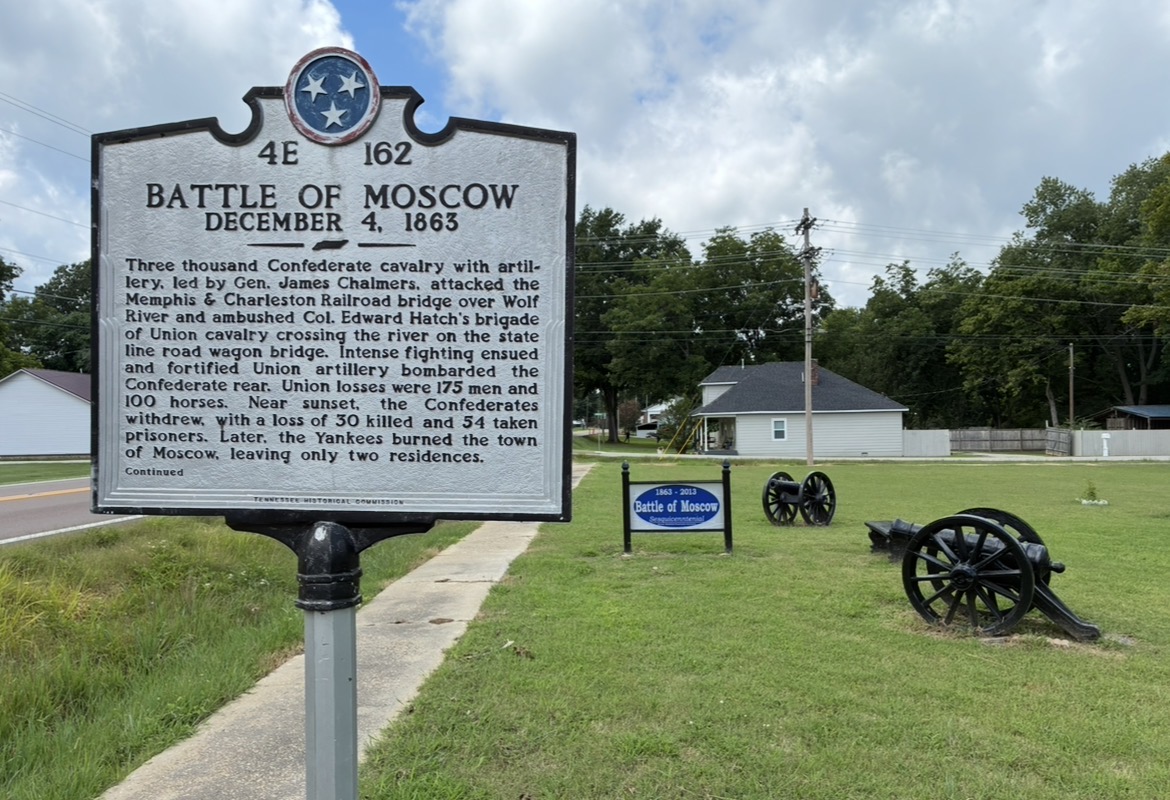
“Yankees”… talk about a 1950s Southern attitude…
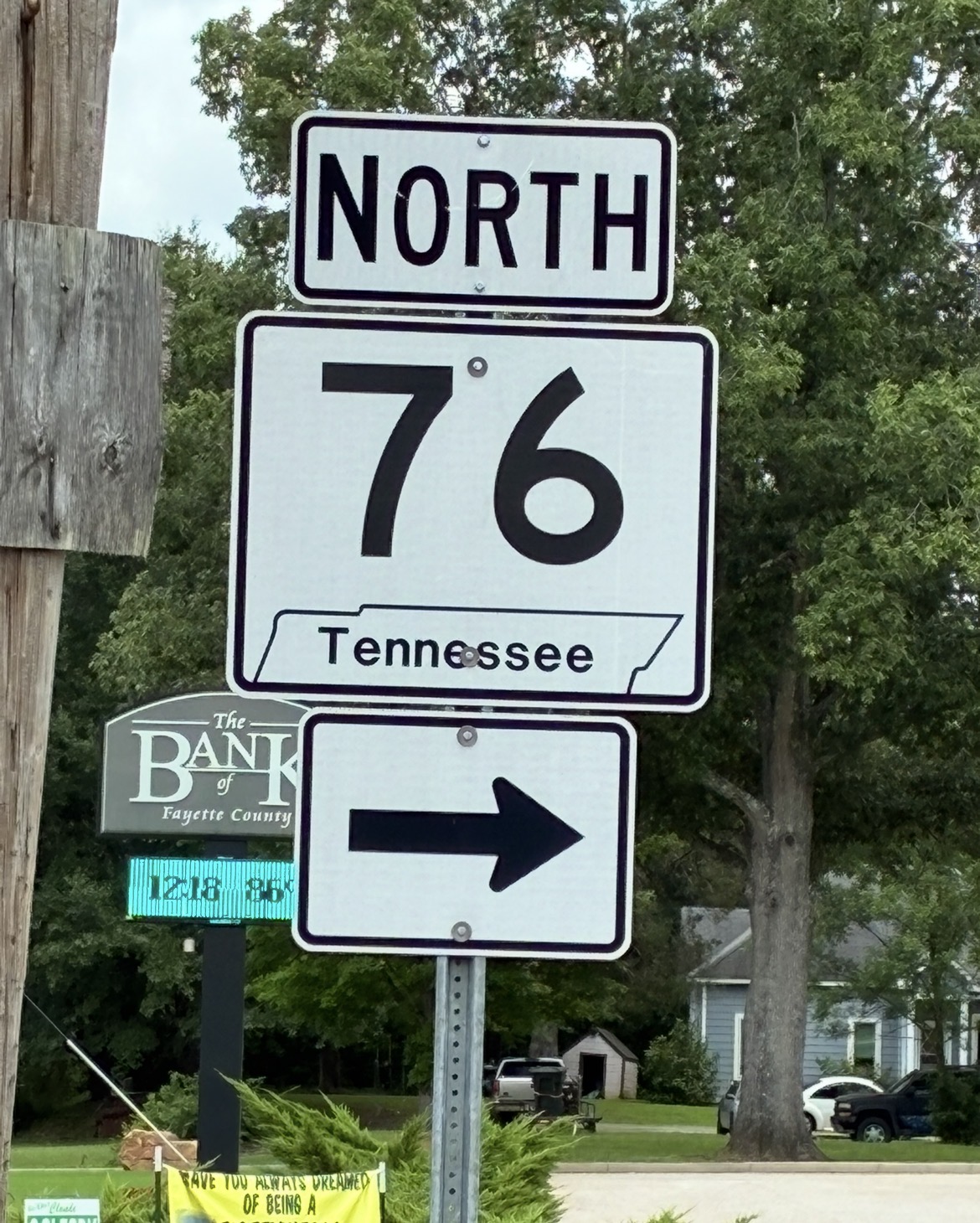
On the 250th anniversary of America, this sign held special meaning to me
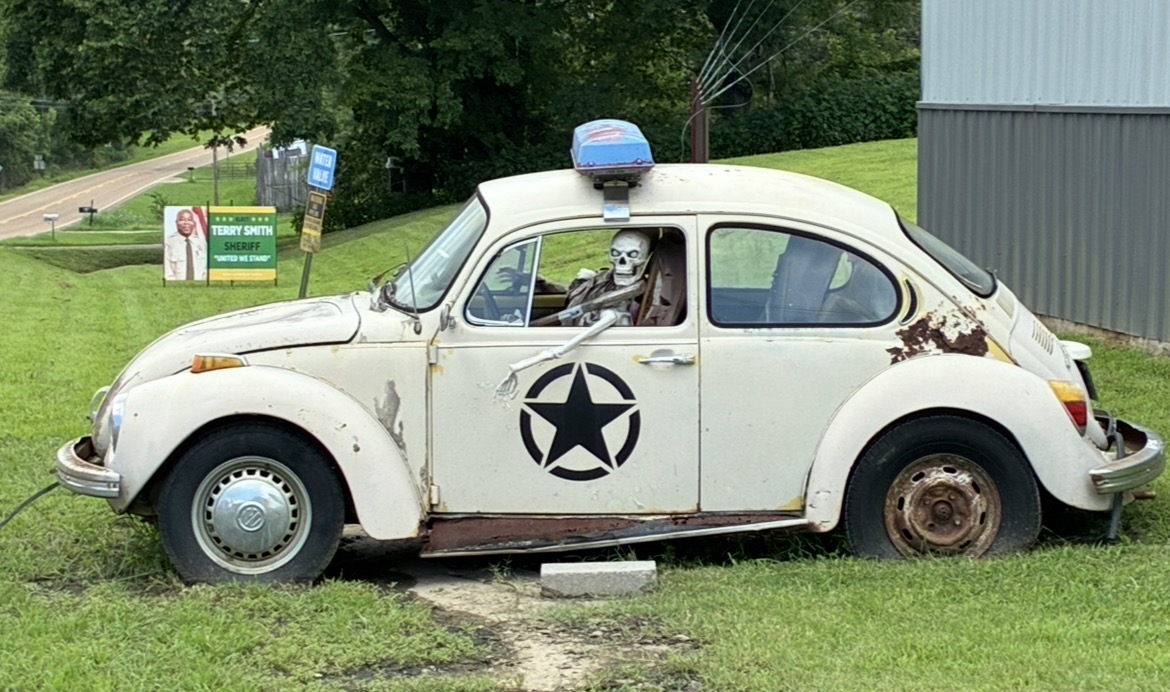
Southern humor. Note the “Dukes” sign
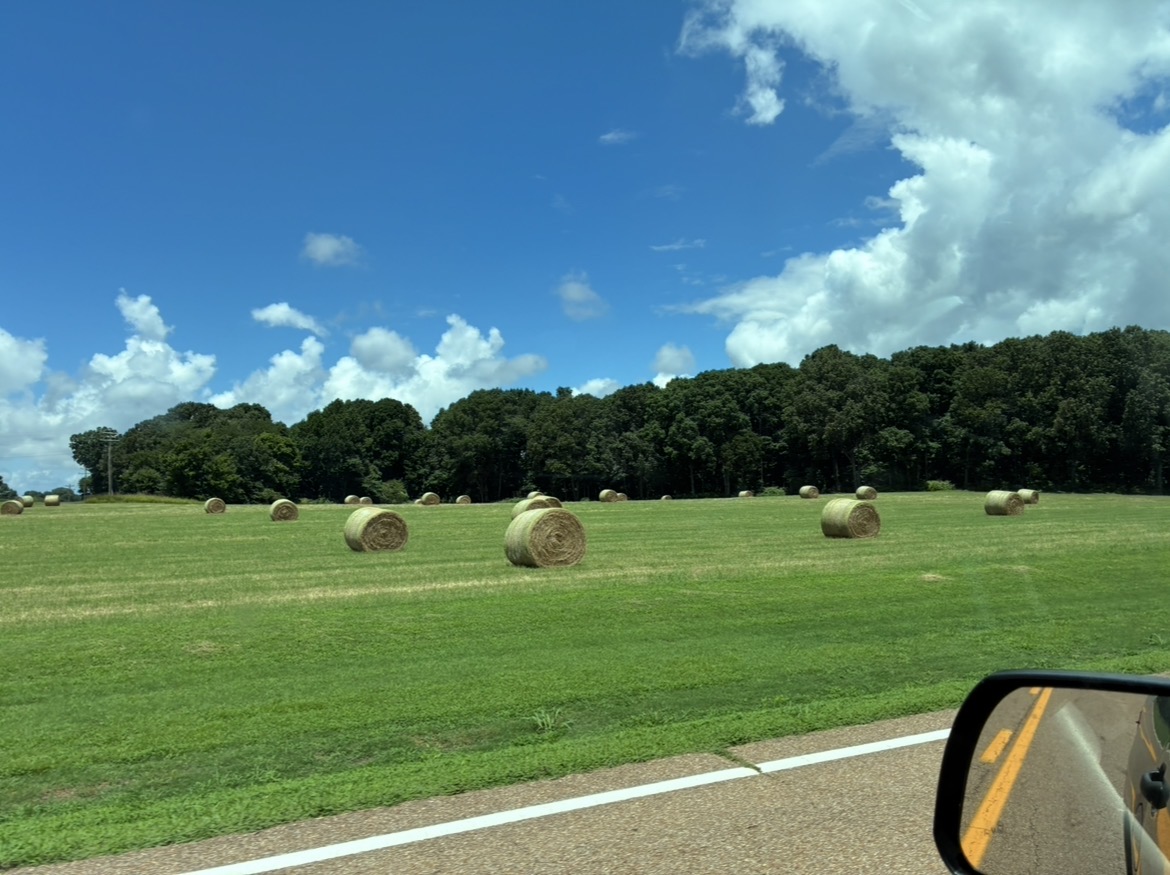
Southern rural TN is spectacularly beautiful
Trump Great American Outdoors Act hits Conservation Home Run
Conservation is where I have spent my entire career, and it is where my heart resides day in and day out. So it is with great happiness that I see President Trump sign into law the Great American Outdoor Act, which will do the nuts and bolts environmental protection America needs, without the regulation that America does not need.
The fact that so many political appointees within the Trump Administration were cheerleaders for the GAOA says a lot about the political tenor there. So many people accuse the Trump Administration of being some kind of radical “right wing” blah blah, and the fact is that the entire administration is loaded with middle-of-the-road professionals, who hold a mix of political, philosophical, and ideological views. In past Republican administrations, there were plenty of appointees who would have blocked GAOA, or held it up. GAOA is a signature achievement for President Donald Trump, and it is a huge win for Americans.
GAOA fully funds the Land and Water Conservation Fund for the first time in a zillion years. It provides adequate funding for federal and state parks infrastructure updates, operations, and maintenance costs. These are the costs that are always deferred in every administration. It is a subject I wrote my master’s thesis on at Vanderbilt University, and it is a subject that has never gone away, until now: Federal recreational infrastructure has been woefully underfunded for decades. Many state parks across America are in even worse shape than that National Parks.
For example, in 2016 my teenage daughter and I hiked half of the Northville Placid Trail, which runs through the Adirondacks. At the end of our ninth day, as we waited out a looming thunderstorm in a rustic but comfortable lean-to deep inside designated wilderness, on a hike in which we had encountered only a few other people, my daughter sat looking at her dead iPhone. Like Gollum looking at The One Ring, only my daughter looked more disgusted and glum than happily mesmerized.
“I have to get out of here. I want to talk to my friends. I want to know what is happening in the world. We need to go,” she said, and picked up her backpack, jumped down onto the grass, then shouldered her backpack.
Oh, I tried to persuade her to spend the night and stay out of that coming downpour. But she would have nothing of it, and she set off by her own teenage self, going somewhere, maybe anywhere, and I was standing there watching her pick her way into the forest.
Hours later we emerged at Moose River Plains, what maps describe as a rustic New York State recreational area tucked away deep in the Adirondack wilderness. What we found was a boarded up main building, boarded up out buildings, no gate, and no official staff. Instead, a bunch of locals who regularly camp there had taken over the official duties of park rangers. Even the land line phone system was not working. It was a very kind local who drove us, each drenched to the bone and with sodden packs, to the closest village, where we could contact our driver and get back to our own vehicle parked at a Baptist church in Northville, so my daughter could get home and talk with a zillion friends simultaneously.
Turned out that Moose River Plains was victim to a New York State budget that prioritized funding illegal aliens, but not state parks.
The Moose River Plains experience was worse than our visit the year before to Saratoga National Battlefield, by far. But seeing Saratoga National Battlefield, where the brave fight for American freedom and independence was won, in such terrible disrepair and threadbare means, was frankly shocking. One expects the National Park Service to do so much better. And when we spoke with a park ranger there, she was clearly hurt, personally, as she explained the money constraints that park faced. NPS just could not get the job done.
All of this is to say that finally, money floweth in the right direction. The need out there for public infrastructure is almost beyond compute. It is about time that America invested in our national parks and forests, state parks and forests, local and county parks, and the myriad other adjunct little recreational areas, like Moose River Plains, so that Americans might enjoy our public outdoors.
And about that public outdoors thing: Public land is a public good. Public land is one of the very few things that government does pretty well. And even when government land managers fail, the outcome is almost always simple neglect; the land always remains, the wildlife habitat remains. Which means the opportunity for recreation, hunting, fishing, hiking, camping etc remains. It is not a real material loss when land managers screw up or there isn’t enough money to operate the park entrance gate house; just missed opportunities, and putting a frowny face on a public symbol.
Congratulations to President Trump for pushing hard for GAOA, for hiring the right kind of land management staff and public lands leaders, and for caring about our public lands at all levels – local, state, and federal. Trump understands Americans, and he knows how much we care about our public lands, our state parks. And he knows how important it is to constantly invest in those places, so that they don’t fall into disreputable disrepair, like Moose River Plains had fallen.
One of the parts of GAOA that is so very appealing to me is the public land acquisition funding. As development never sleeps, what were nice public spots to hunt or hike in suddenly find themselves cut off or surrounded or overrun by development. It is nice that states and local governments will finally be able to buy that ‘Mabel’s Farm’ the community always wanted, and could not afford.
There is going to be a lot of Mabel’s Farms bought with GAOA money in the next few years, a lot of Nature conserved, and a lot of communities and hunting places protected, as a result. Thank you, President Trump, conservationists everywhere appreciate your leadership on this important policy area.
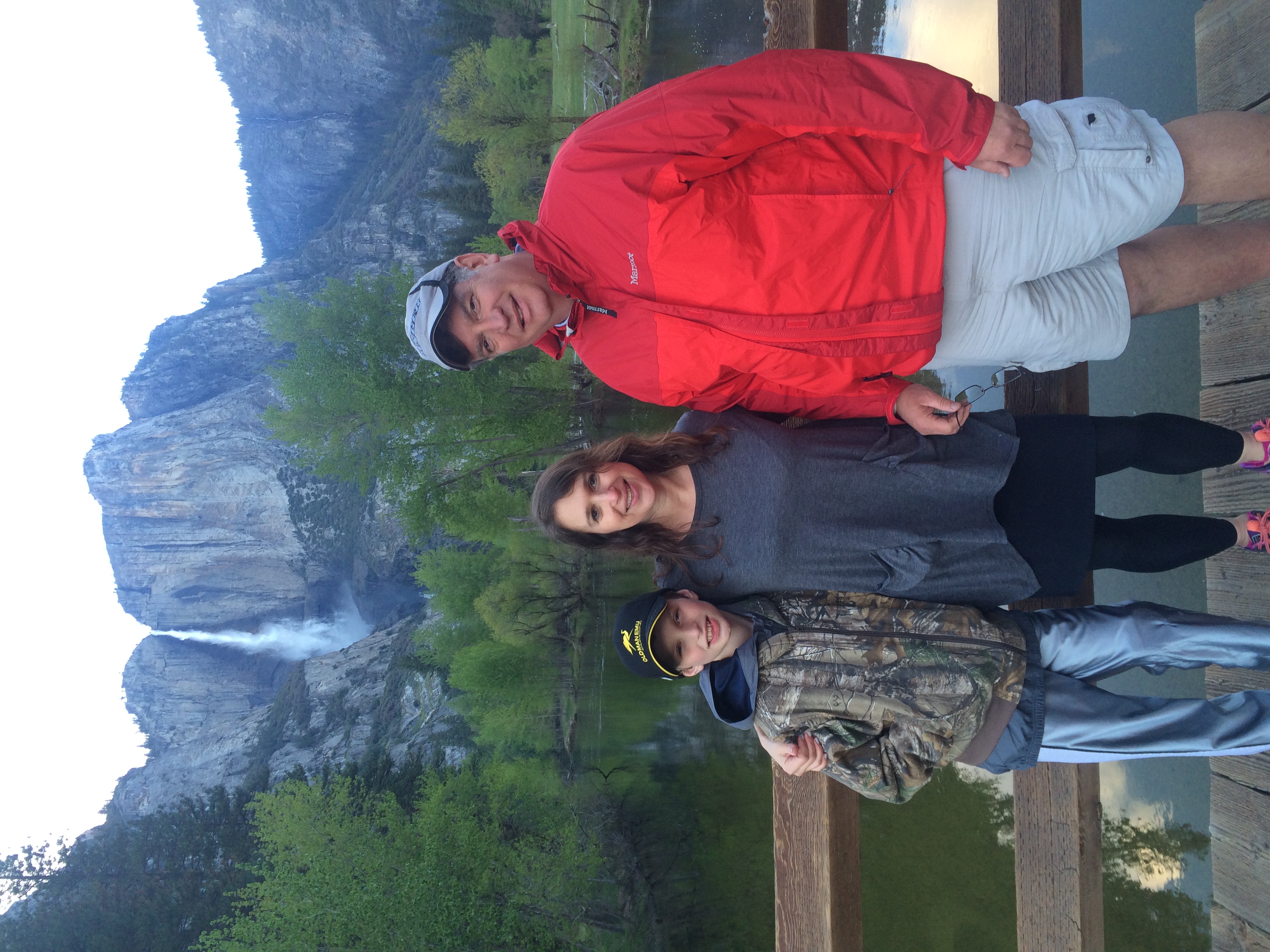
With special people at Yosemite. Can we imagine America without Yosemite? It takes money to protect these special places.

My daughter at the unhappy lean-to. But still, it was a functional, dry lean-to next to clean water in the middle of ADKs wilderness
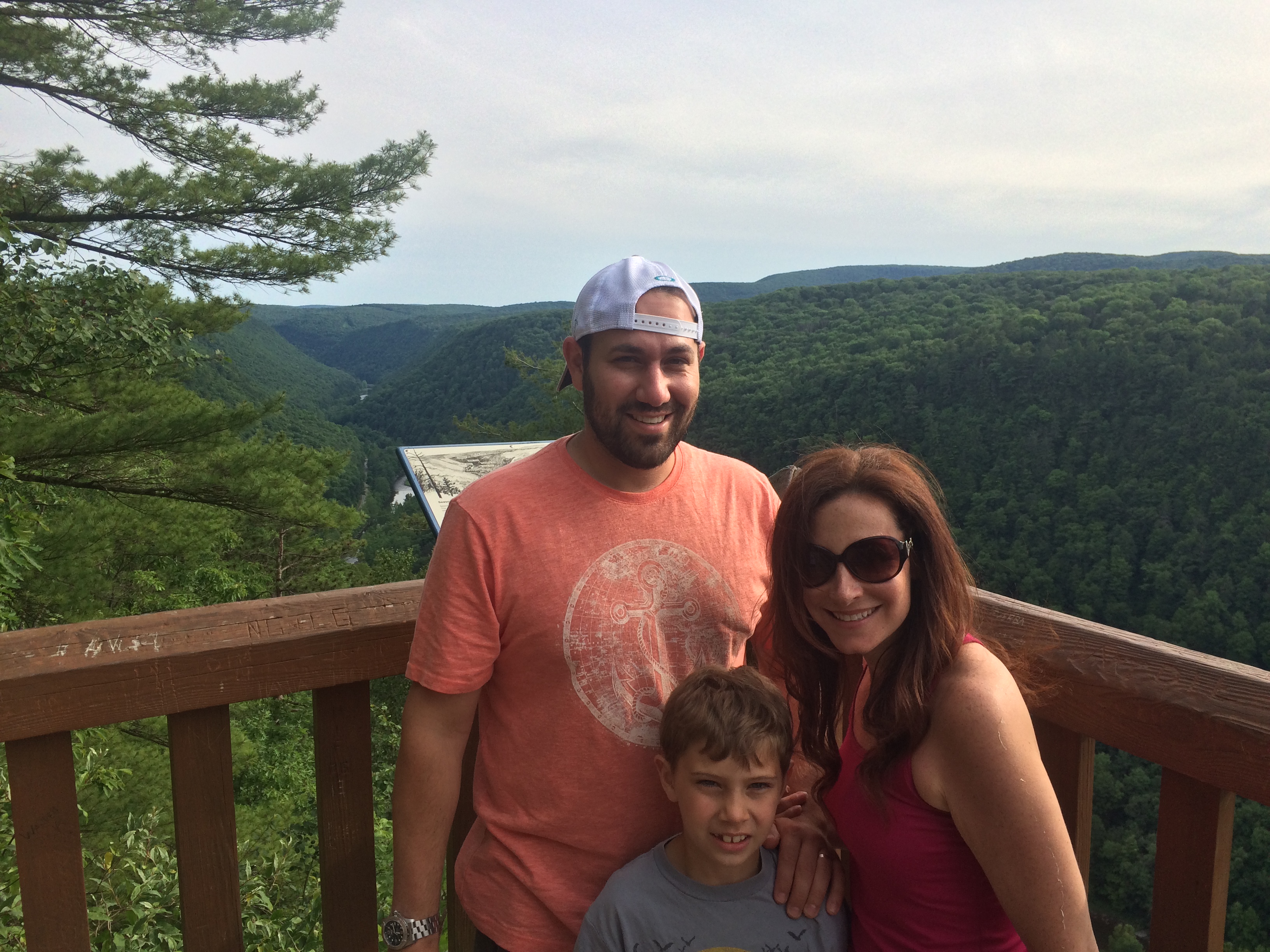
Our friends Mark and Amanda at Leonard Harrison State Park, overlooking the Pennsylvania Grand Canyon
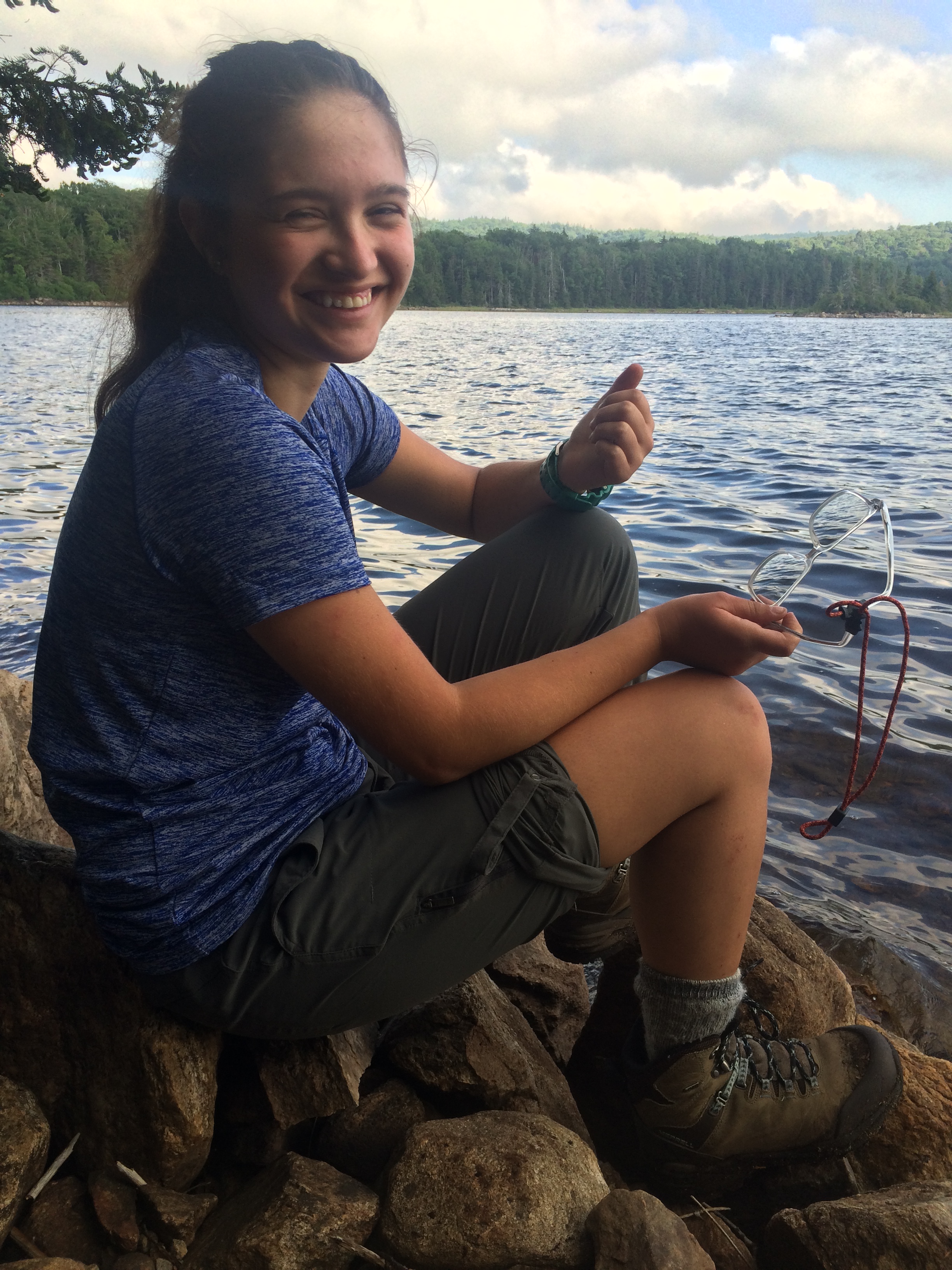
My daughter at Cedar Lakes, a special moment that spurred her on to teach wilderness backpacking to kids. Now she can’t wait to reach the area of no cell reception