Posts Tagged → erosion
One Year Later…SoCal still a disaster
Recently I had the pleasure of visiting southern California. But the much vaunted amazing Mediterranean climate SoCal is famous for was nowhere in sight, as buckets of rain fell day after day. The temperature stayed between 45*F and 60*F, which coming from the frozen East Coast sure felt like a vacation to me. But boy did the locals beeatch up a storm of complaints about this unseasonal discomforture.
What was striking about the trip’s weather was not so much the uncharacteristic cold, but the lack of official preparation for the torrential rains that accompanied the cold. You would think that the people there have been through this enough to know what to do by now. You know, mitigate the threat, reduce the pending damage, save lives, save property.
Much of SoCal’s building surface is a weird mix of loose dirt and small rocks, and it is prone to easy erosion. This has been known since the time of Ronald Reagan’s ranching days there, an Ice Age ago. As we drove north along the 405, we could see many large, often extravagant buildings perched unsteadily over chasms below, which had once held enough dirt to comfortably, on which to confidently, build a house.
And then the summer fires came (year after year) and burned the vegetation that holds the dirt in place, and then came the winter rains that washed the loose un-anchored dirt away, and left the expensive homes literally hanging, clinging for life to shreds of dirt on the uphill side of the ever-deepening slope below.
Eventually all the homes and buildings we saw hanging out in the wind, perched over a void, will slide downhill like a toboggan, like those before them that were once closer to the growing chasm and which are now completely removed from that landscape.
Their once carefully secured electric, water, data, phone, and sewer connections will be lost forever. Many are already visible, sticking out of the dirt like veins and arteries of a heart held high in the hand of a surgeon, or of an Aztec priest.
The place, the actual land itself, that was once surveyed and measured and given a parcel number, will no longer exist. The old building lot will be seen on paper and on old aerial photos, like a ghost, but the actual dirt that it was once made of will no longer exist. That building lot will go the way of so many others right there over the past few decades: Mass wasted by heavy rains downhill into steep arroyos, and eventually washed out into the Pacific Ocean.
When I was a kid, people not from California joked a lot about how the great San Andreas Fault would eventually crack open, Biblically swallowing great swaths of expensive SoCal real estate and its fancy cars and shiny people, and then shearing off the surviving residual into the Pacific Ocean. The more culturally conservative the joker was, the more emphatic was their lack of humor about this looming armageddon. And why not?
Yes, you and I must be curious about the strange mindset of all those tanned beautiful people living their pretty plastic lives over there in SoCal, surrounded by palm trees and perennially perfect days. It cannot possibly be real. Kind of like the American Pompeii – not if it will happen, but simply when. Especially curious about the people, because They seem so damned judgmental and contemptuous of Us, the great unwashed and untanned living in Flyover Country.
And while there have been some exciting earthquakes in SoCal, it is more the tick-tock-tick-tock metronome-like regular prosaic wildfires and monsoons that are the real threat to house and home and happiness in SoCal. These natural disasters happen like clockwork, and yet are treated each time with wide-eyed amazement by SoCal residents. Yes, the rains come every winter, but these rains, oh God, THESE rains, this year, they say…
Even worse have been the elected officials, whose reactions have run from feigned amazement to outright glee at the opportunity to score so much waterfront or Pacific view properties at such low prices…and so why not wonder at both the residents and their duly, unquestioned elected leaders, who fail to prepare for the erosive rains or the wildfires. A year ago this week, catastrophic wildfires ate a lot of beautiful SoCal real estate and homes, due to no brush management, no water in reservoirs, incompetent DEI firefighters.
Nothing has changed a year later. SoCal residents now just as defiant and silly as they were last year, still blaming the unusually extra strong sunshine or some guy in Washington DC for their unhappiness. I think just one building permit has been issued for the thousands of homes lost last year, and yet the Los Angeles mayor and the California governor enjoy plenty of support from their victims.
But just maybe the failure to issue building permits to last year’s total loss homeowners of Malibu and Palisades is the biggest mitigation step ever taken. That would be ironic. I don’t know, can’t know, and really don’t want to know. Rather, I am sitting over here on the cold East Coast drinking a hot cocoa with a splash of whisky, watching SoCal go through the death convulsions and twitches of a dying body politic and its sick land base.
You could possibly write the script to this Hollywood movie, but I think the best one was already written a long time ago. It is called The Bible…
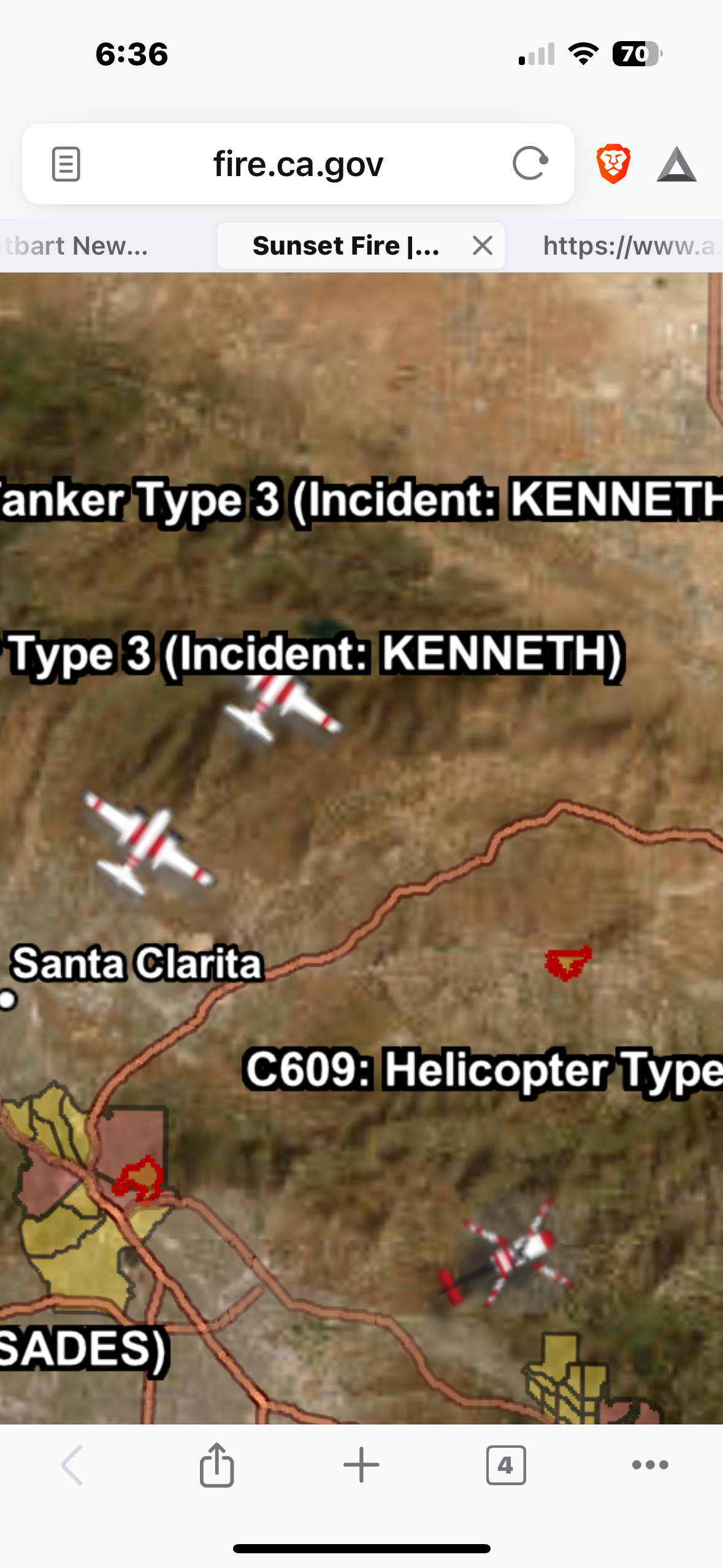
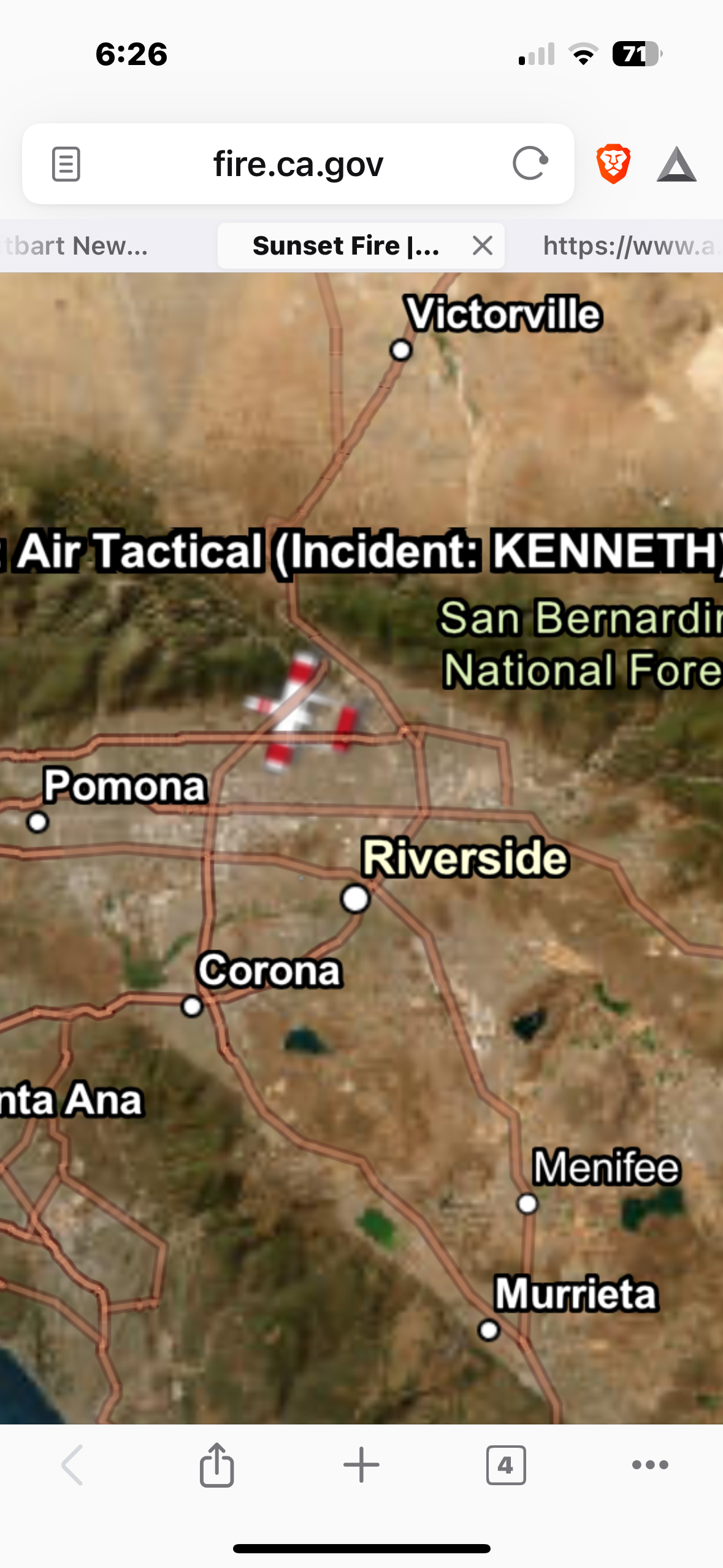
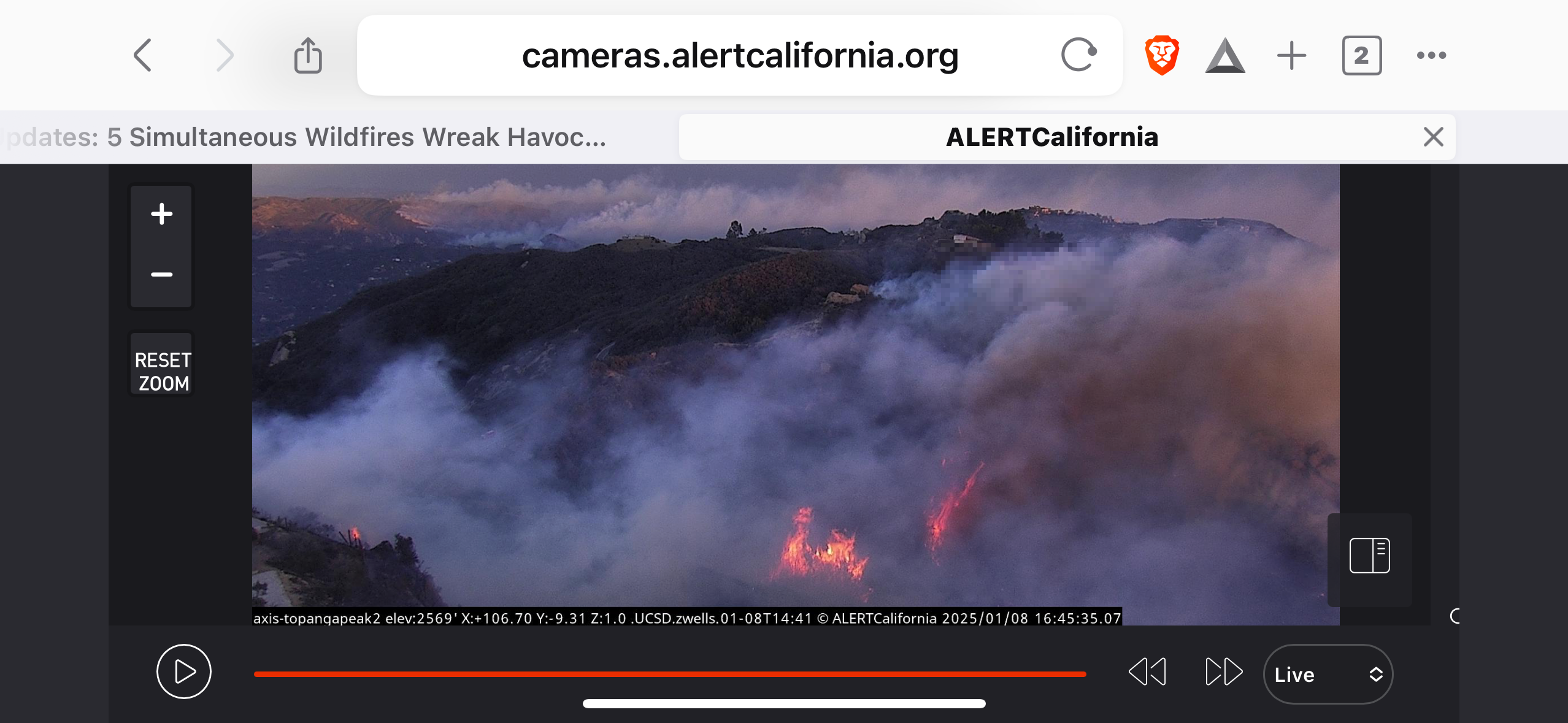
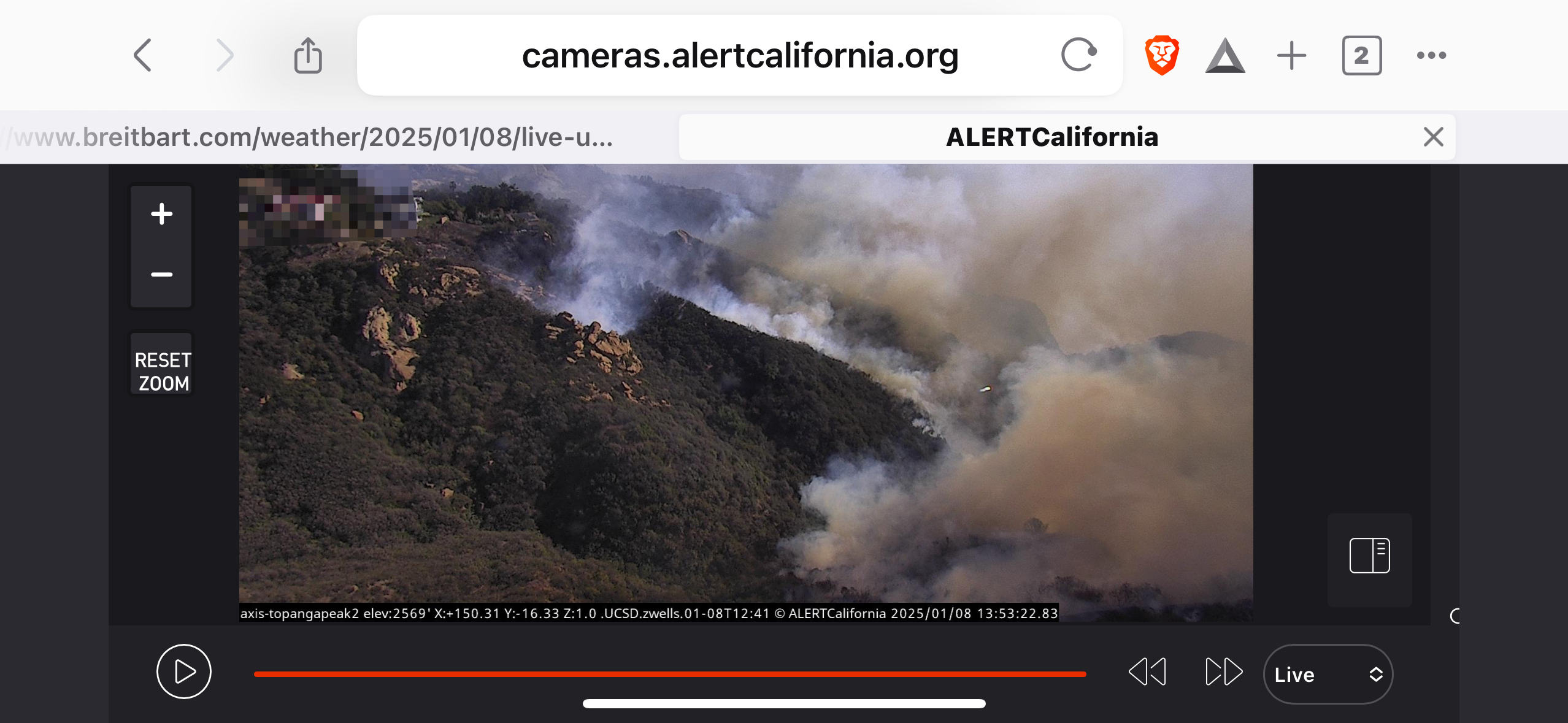
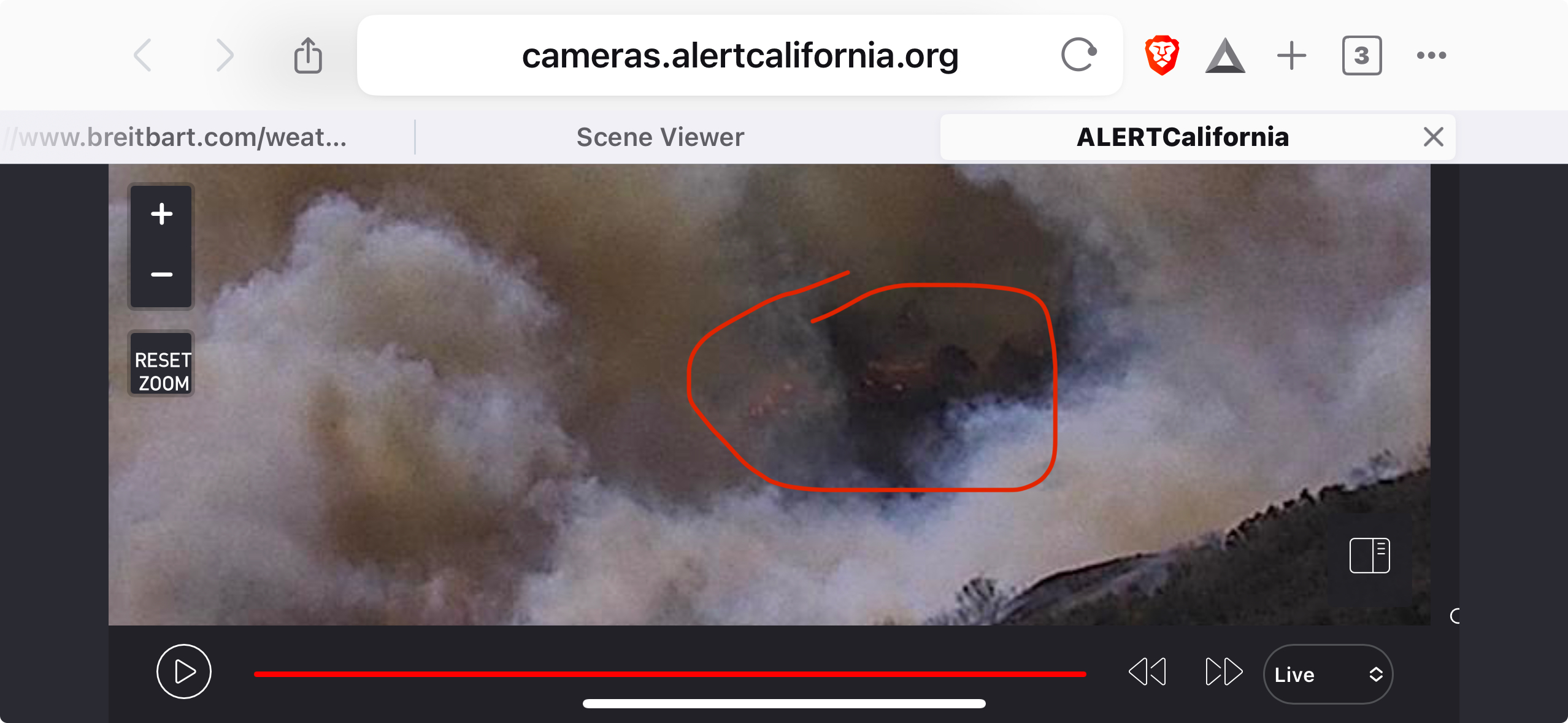
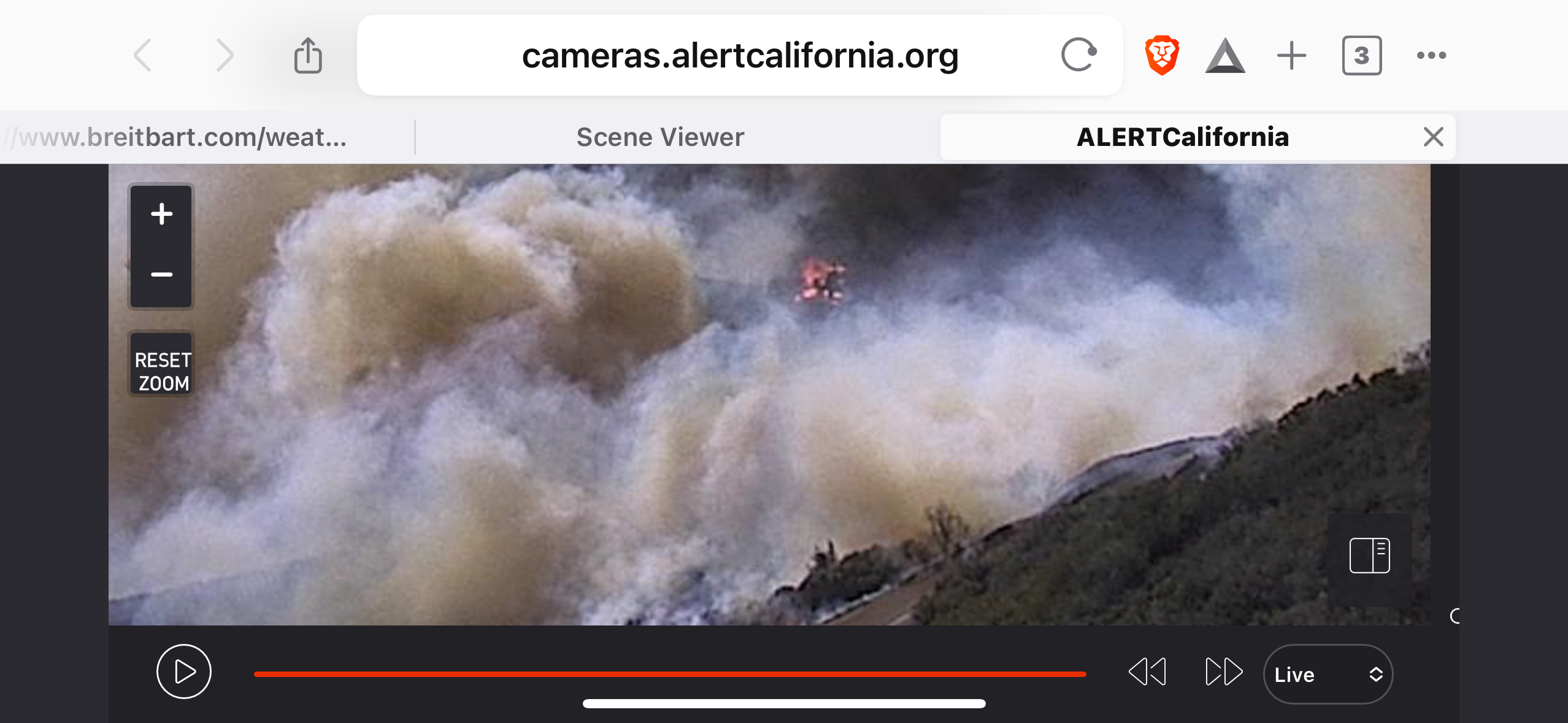
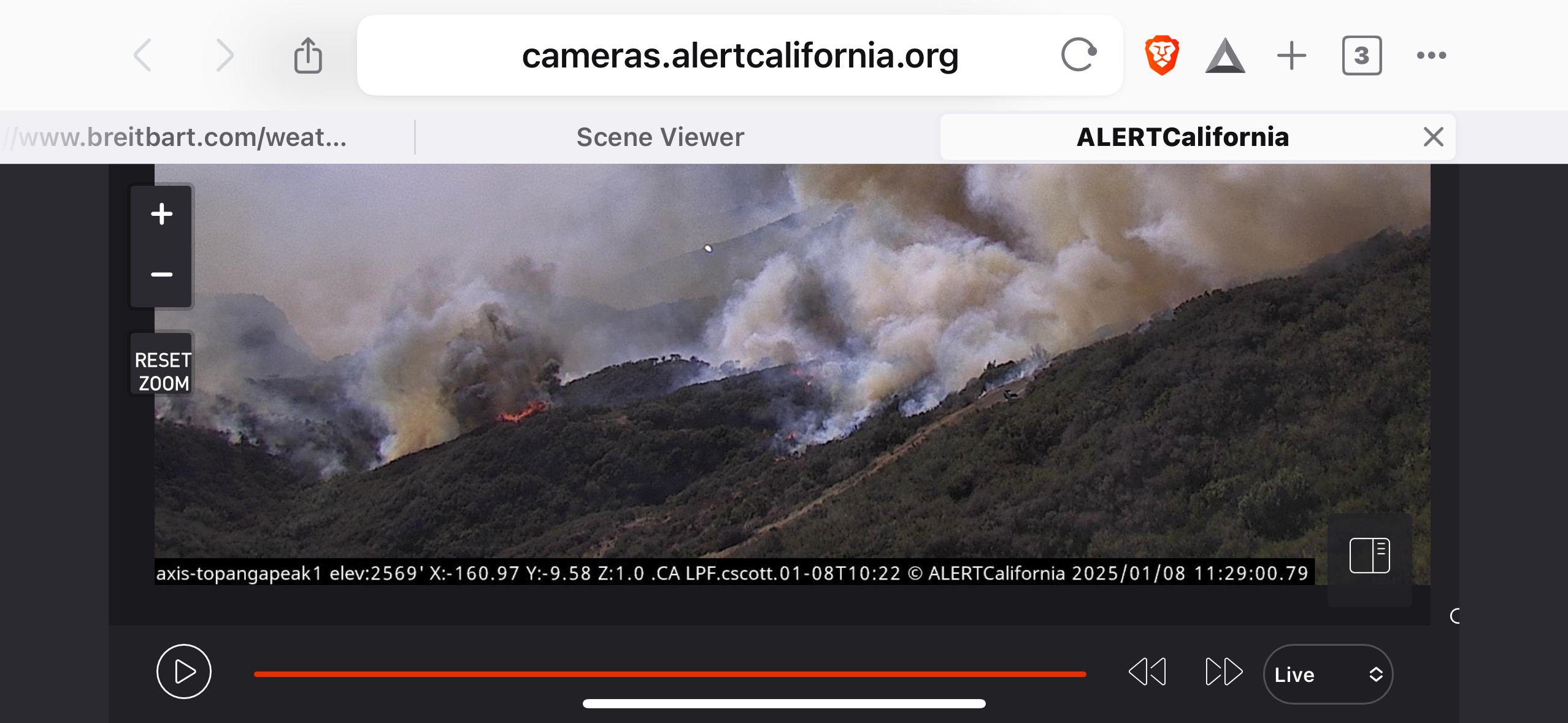
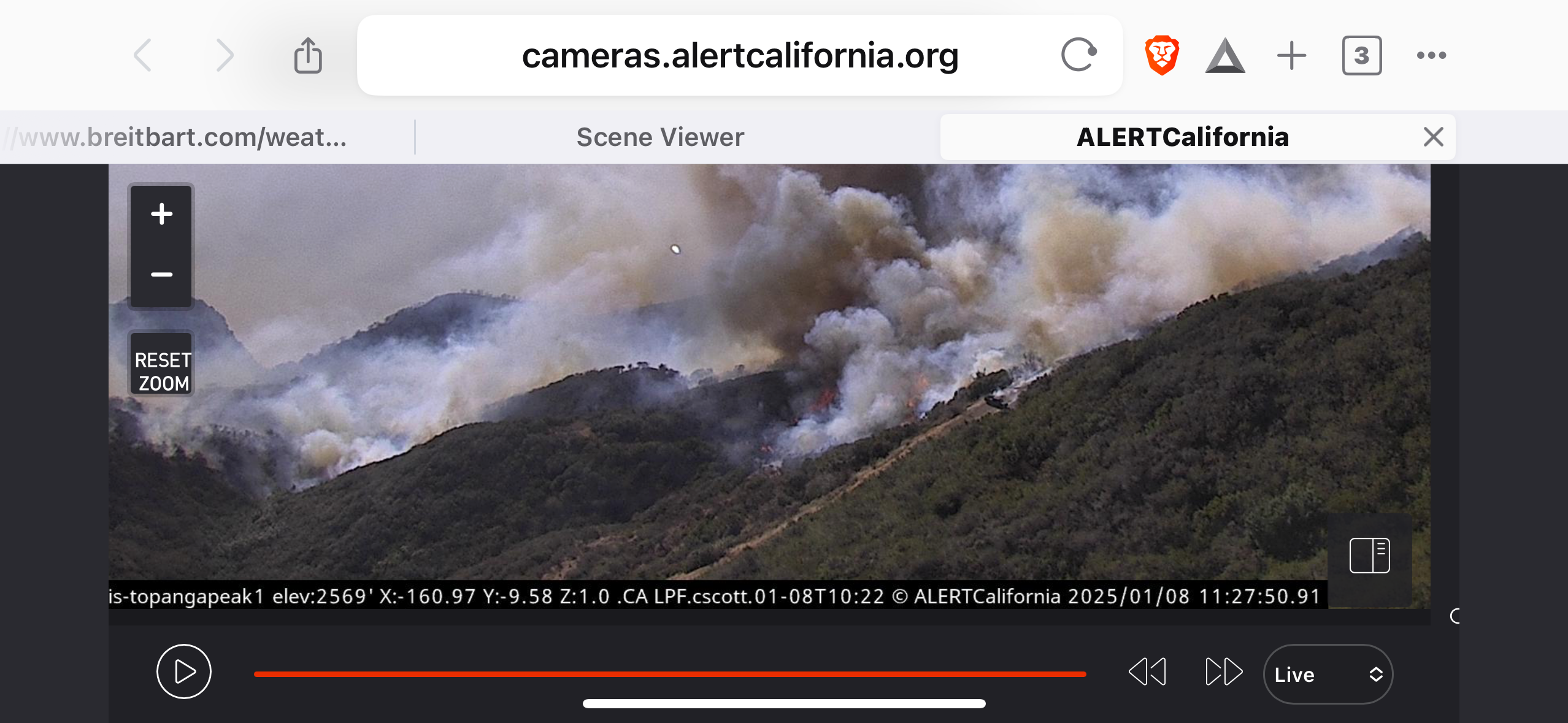
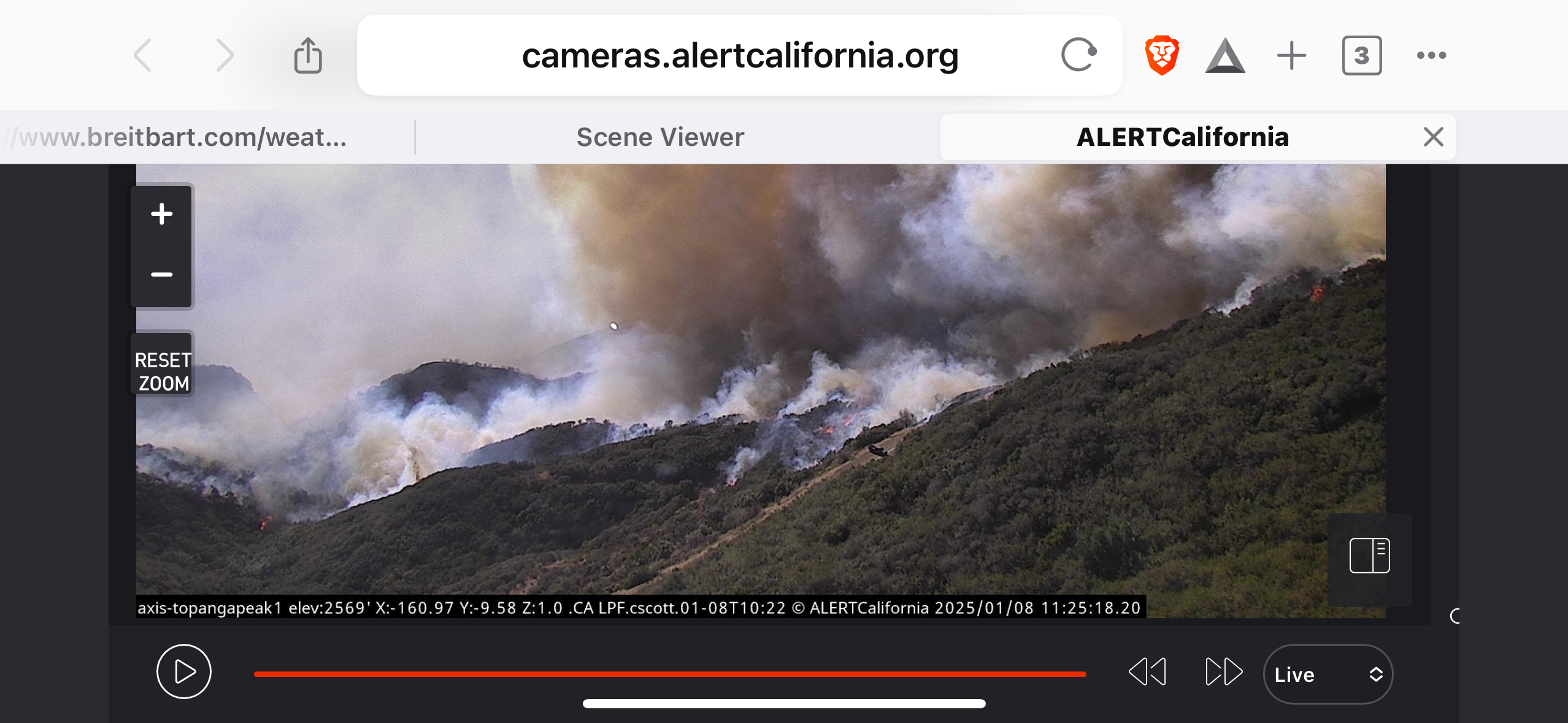
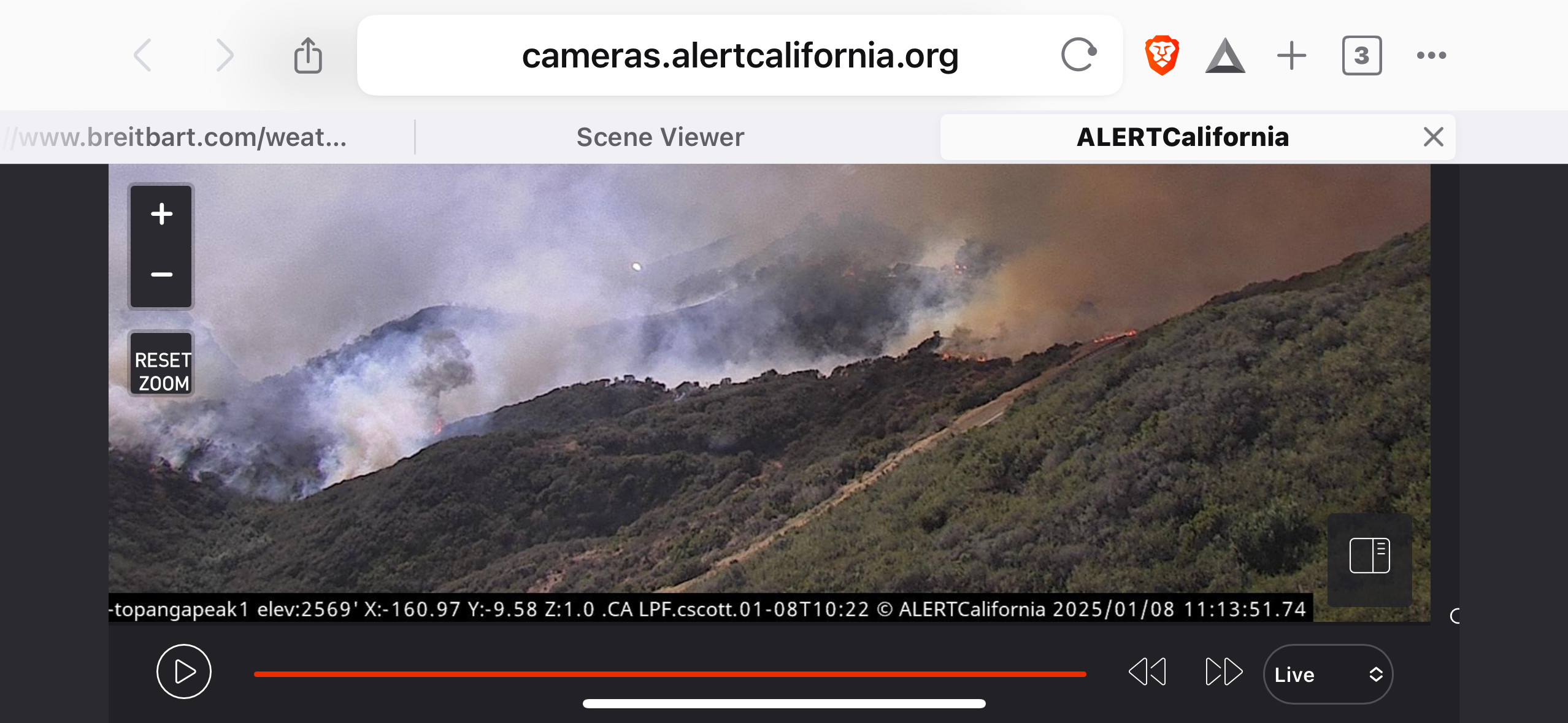
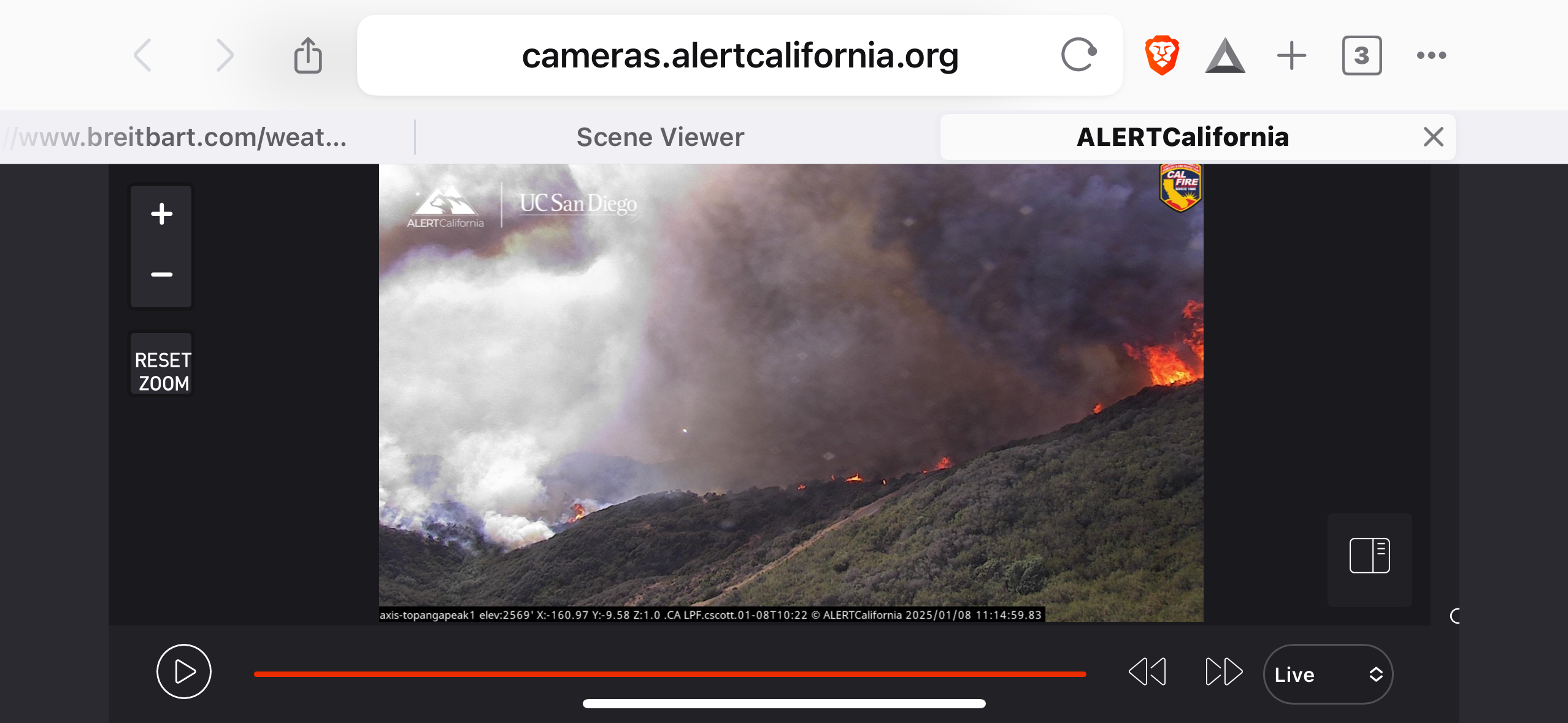
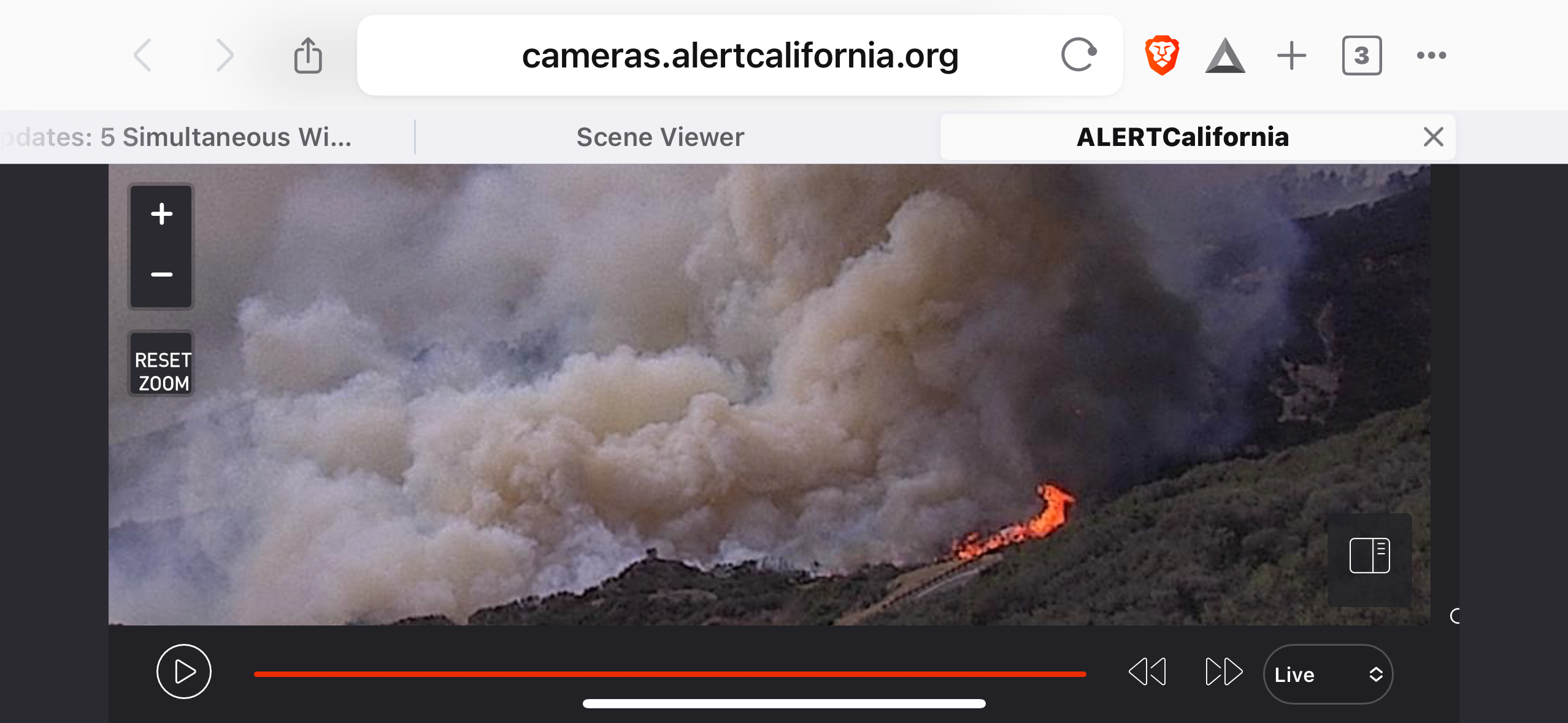
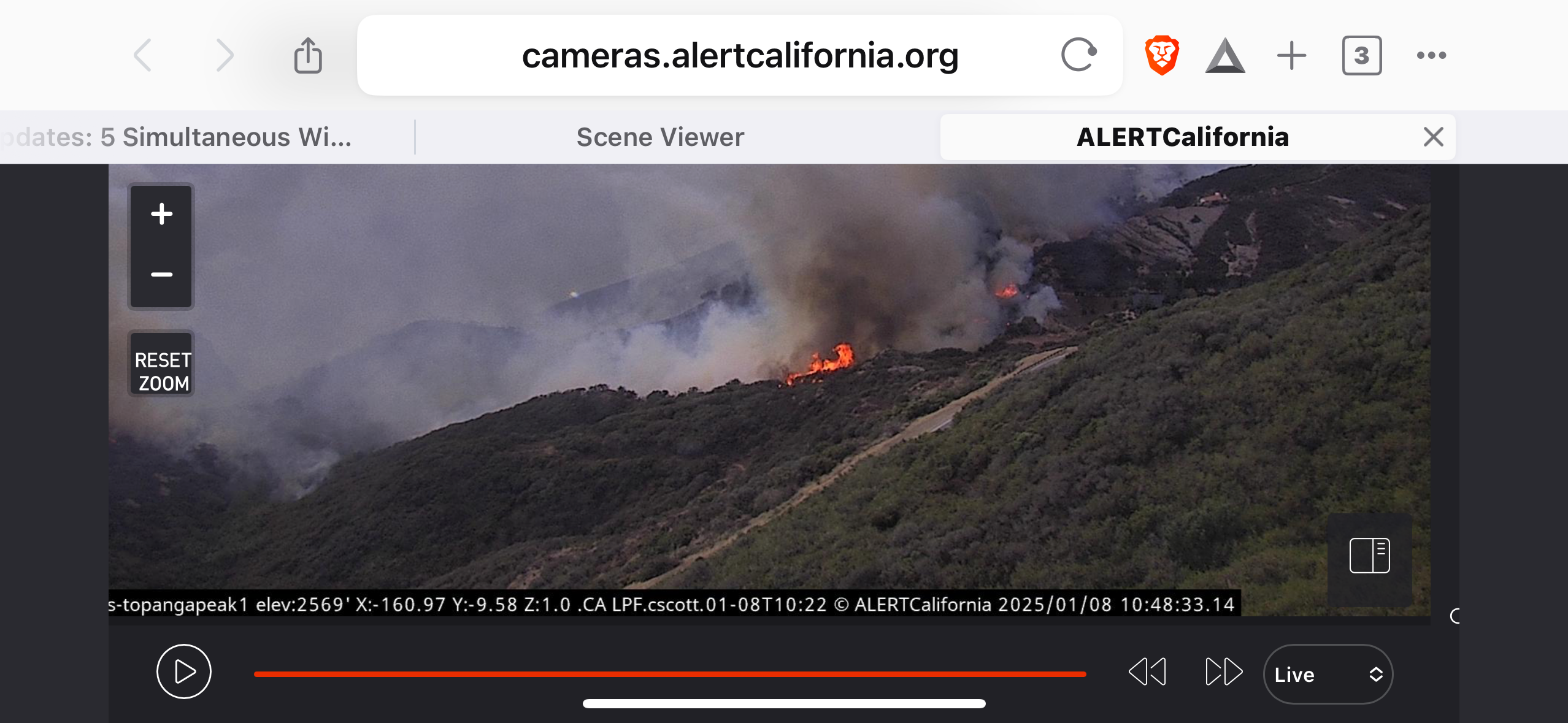
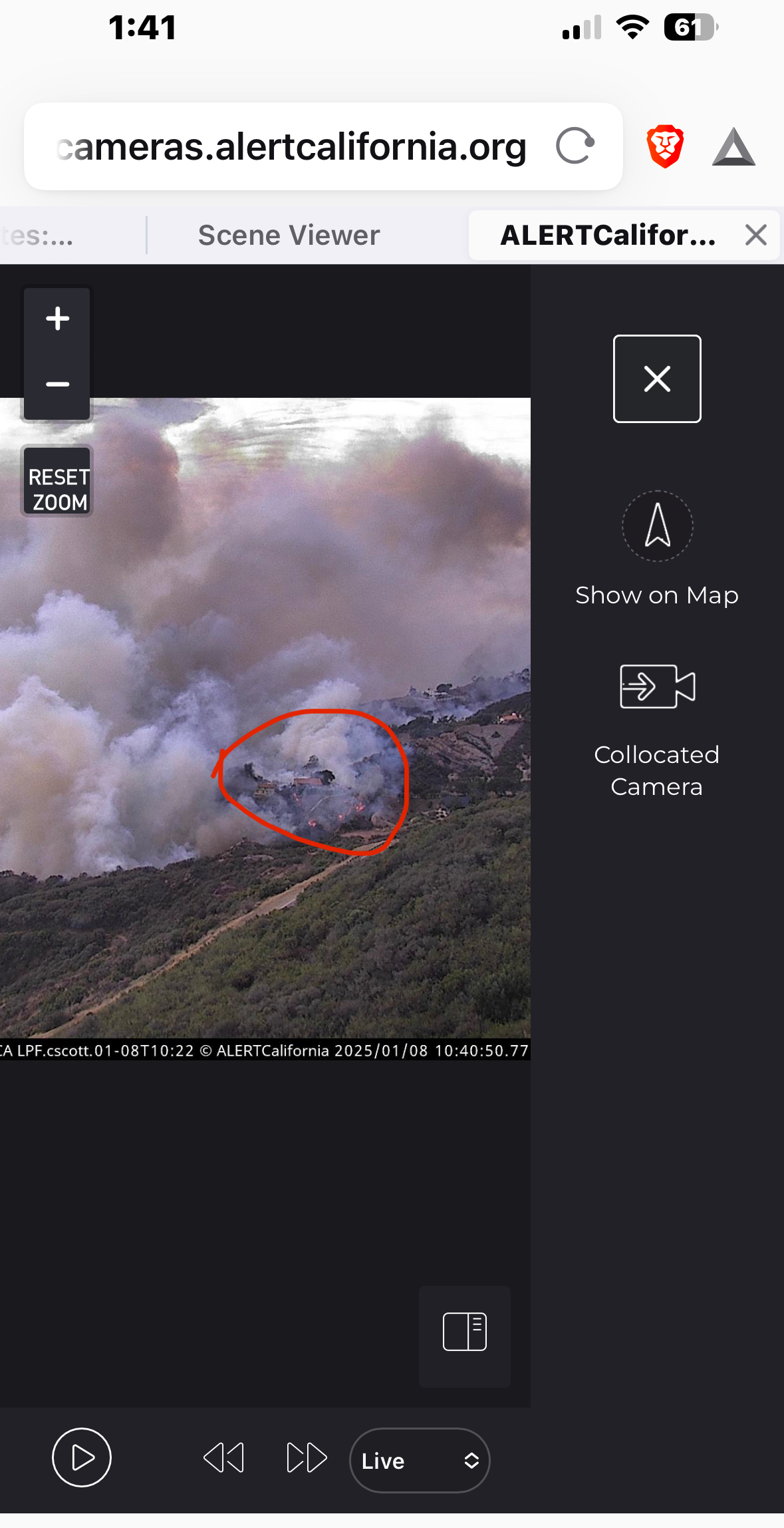
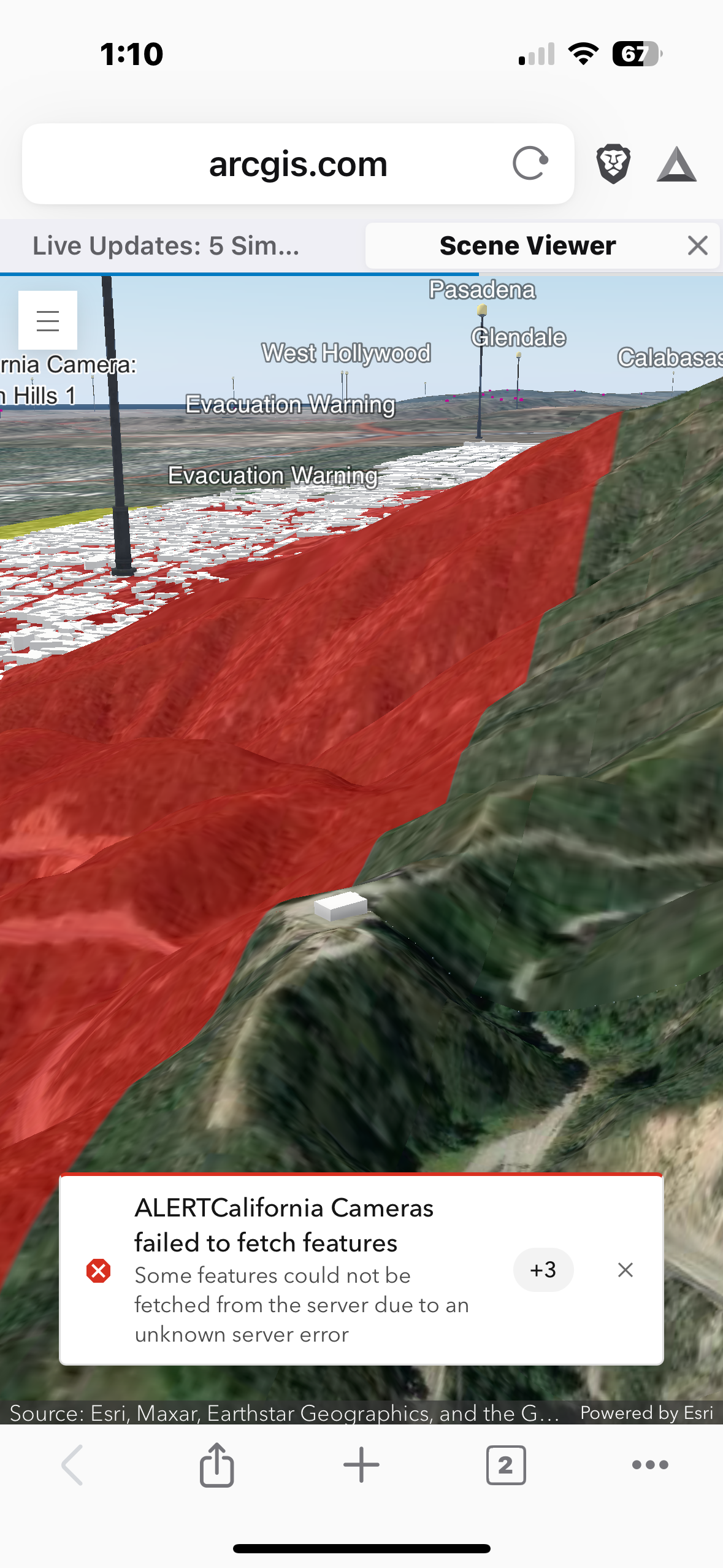
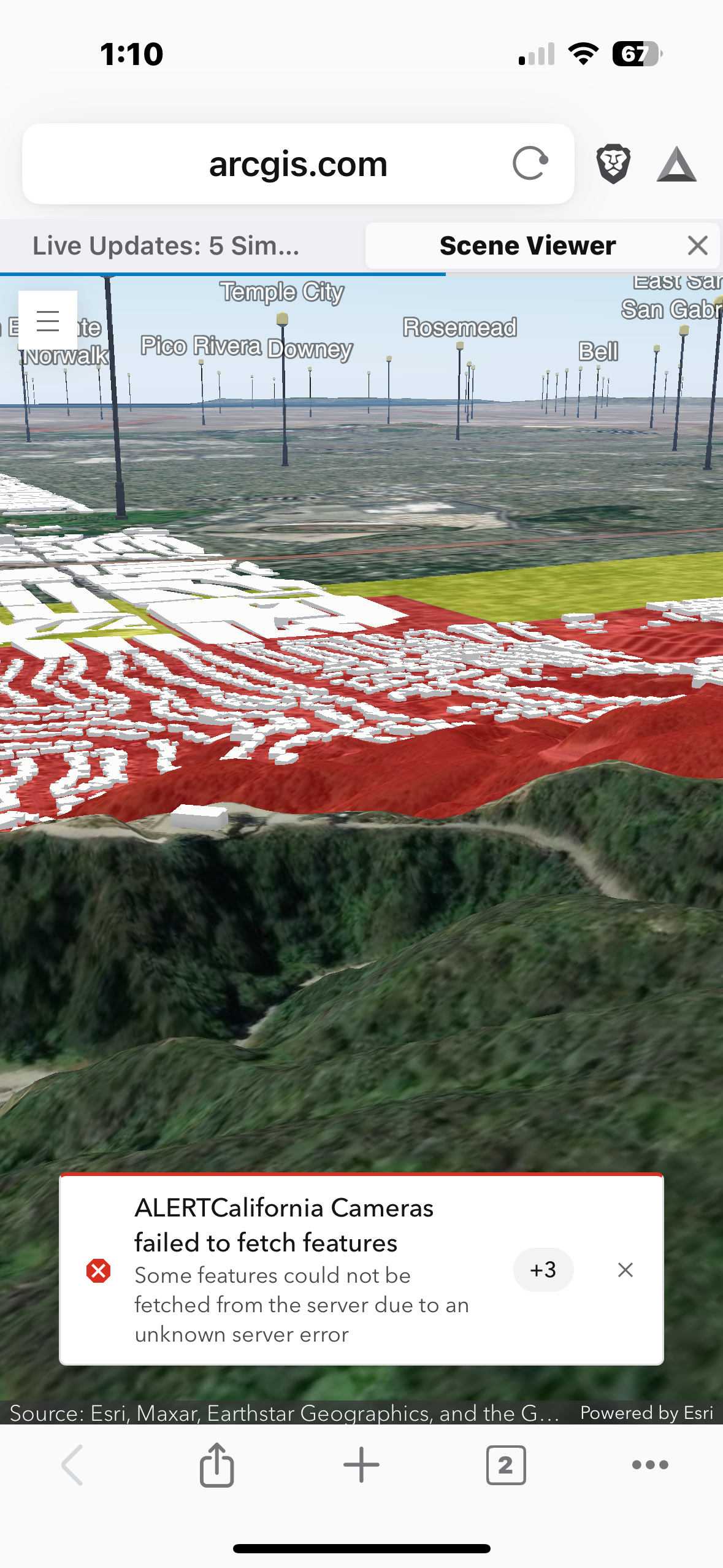
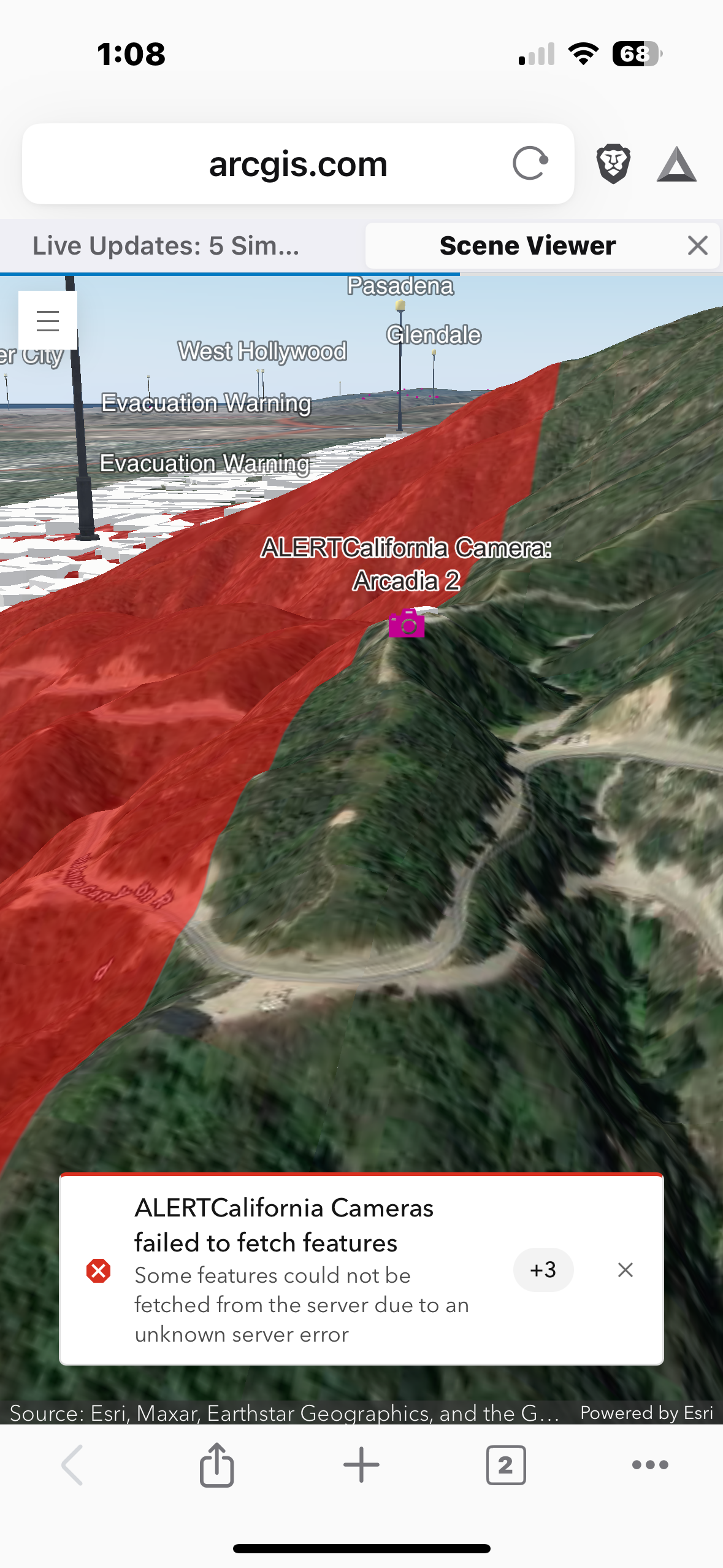
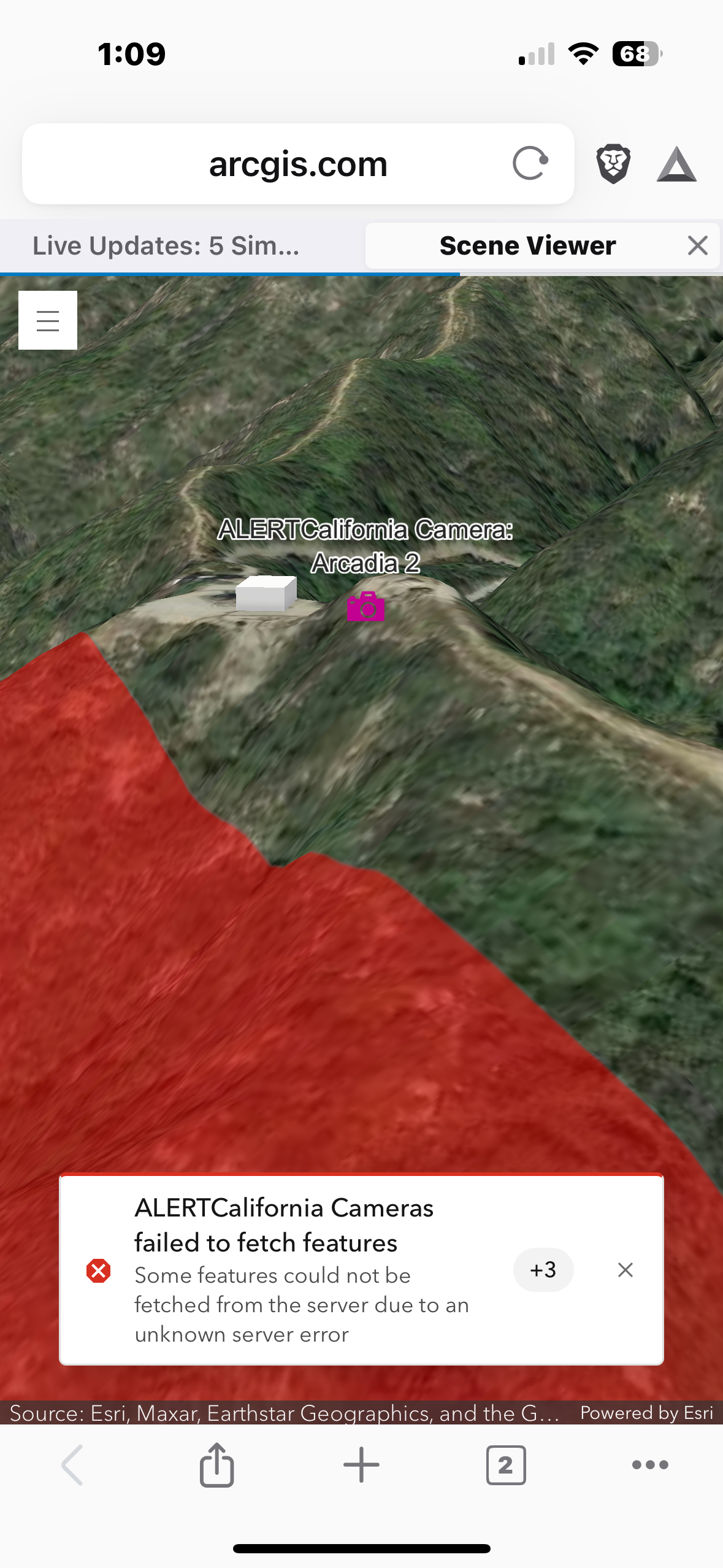
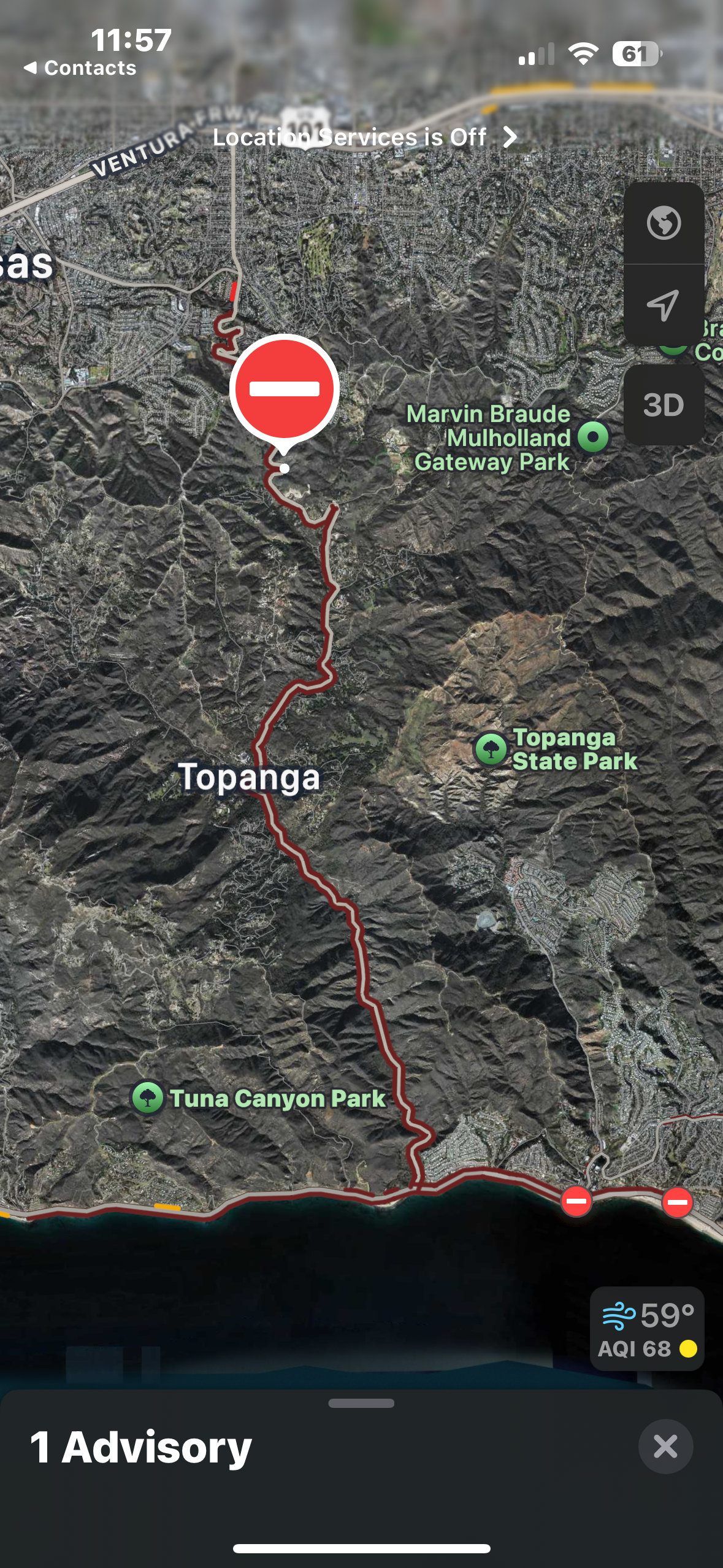
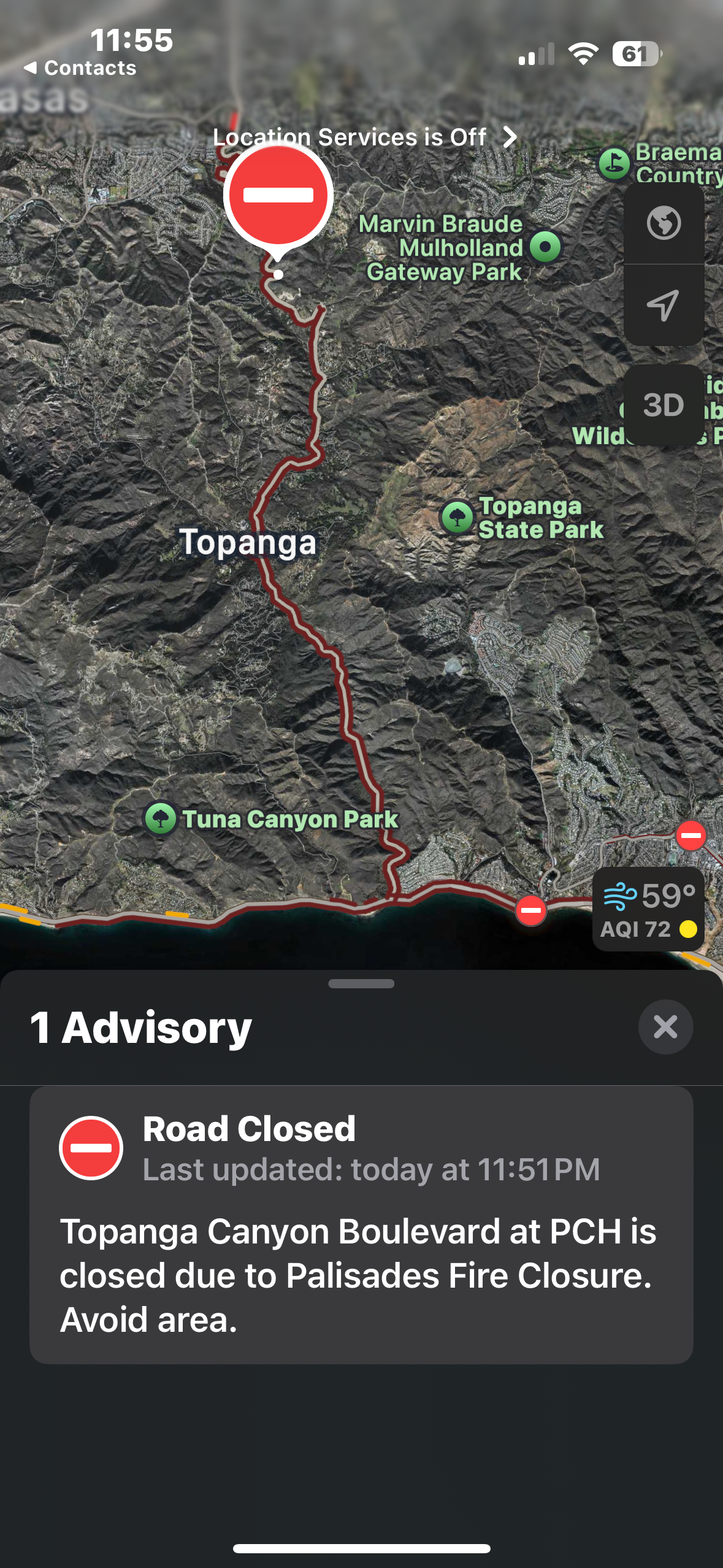
(My iPhone screenshots of the 2025 fire are below, taken as it developed, and they include some heartbreakers such as spectacular homes and barns catching on fire, and a homeowner racing back to his home in his pickup truck, only to be blocked by smoke and then fire, and then turning and retreating just as the flames engulf his position, his beautiful mansion going up in flames behind him. Some of the mountain cameras send messages that they cannot upload their images… because they have been burned to a crisp)
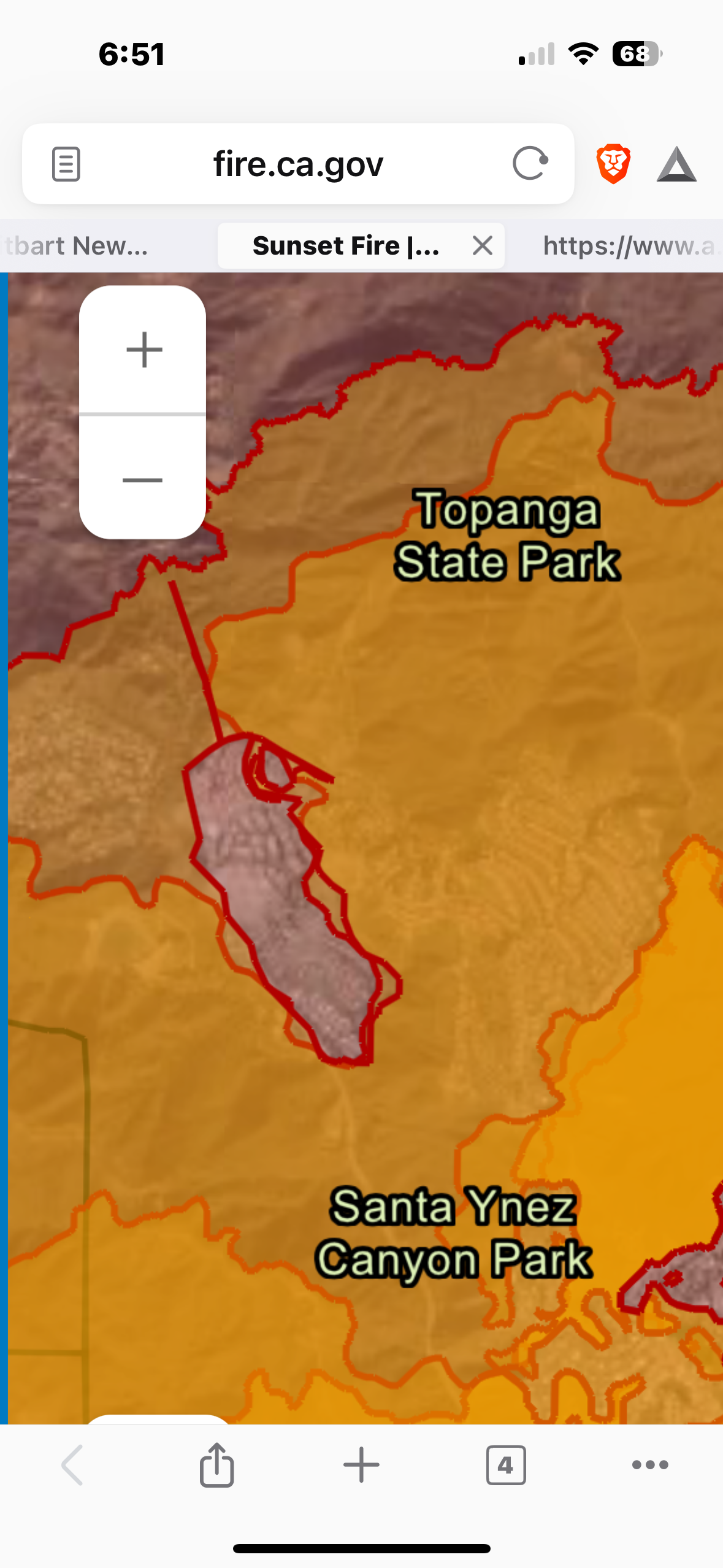
Recall that the beautiful Will Rogers homestead and farm in Topanga burned to the ground. It was my favorite hiking destination in SoCal
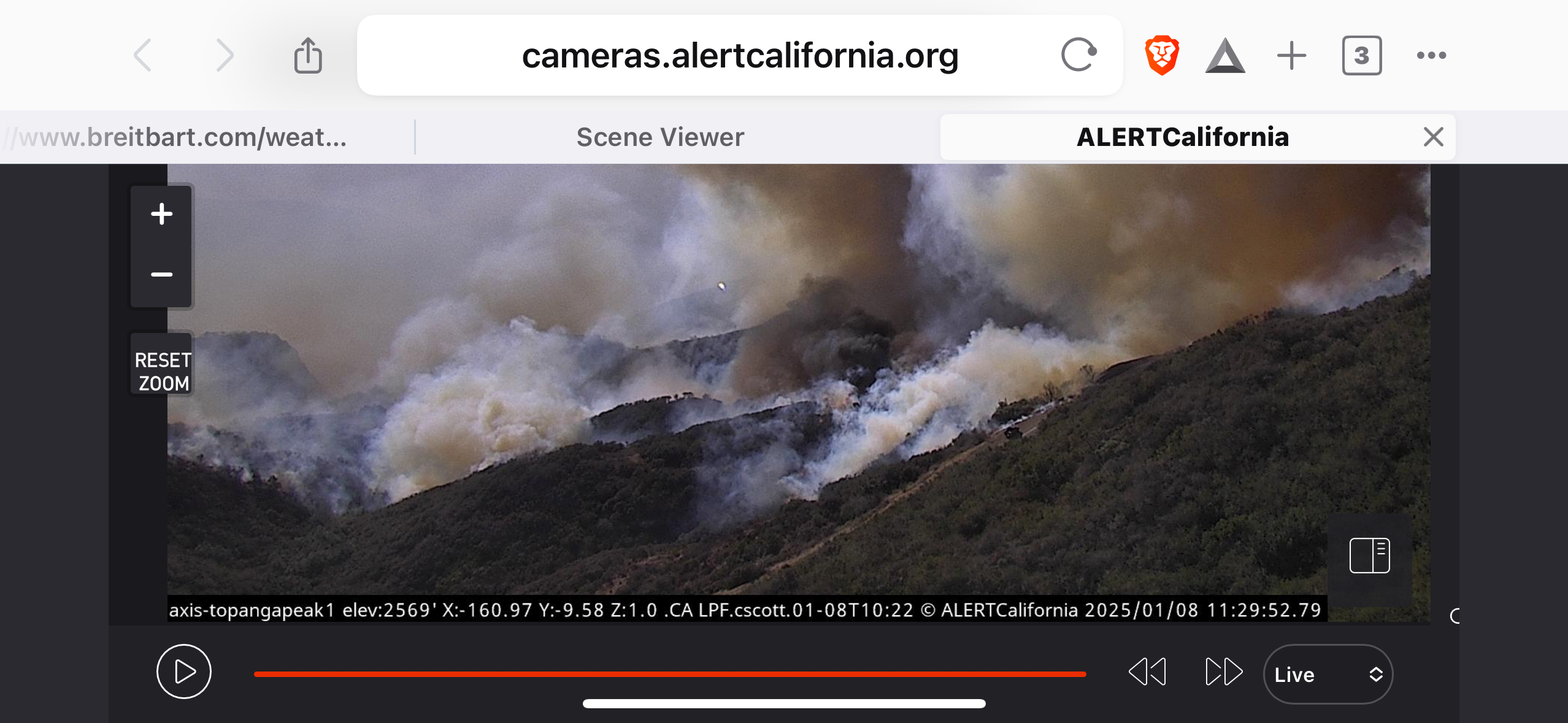
Note the pickup truck on the road. One of the screenshots I took showed the driver get out with his hands on his head, obviously upset


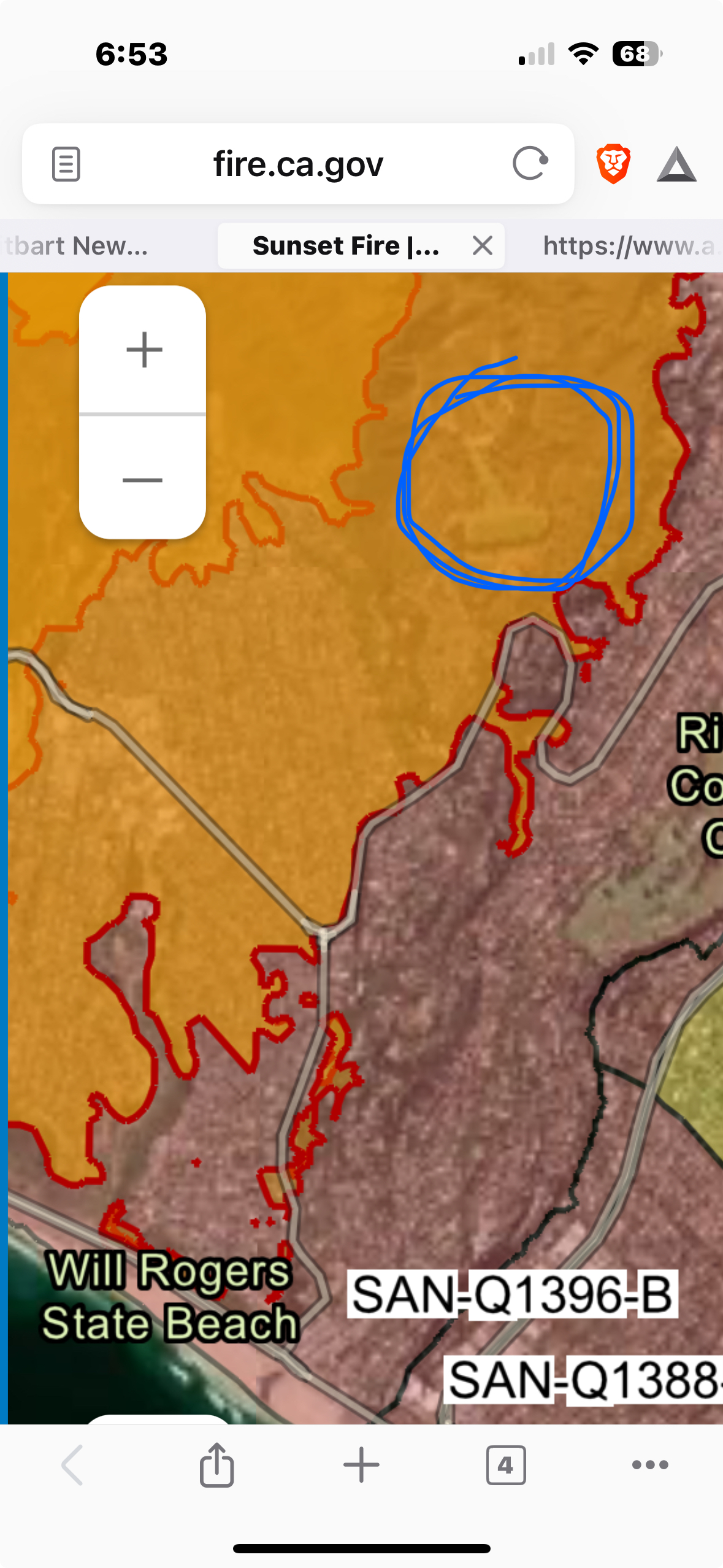
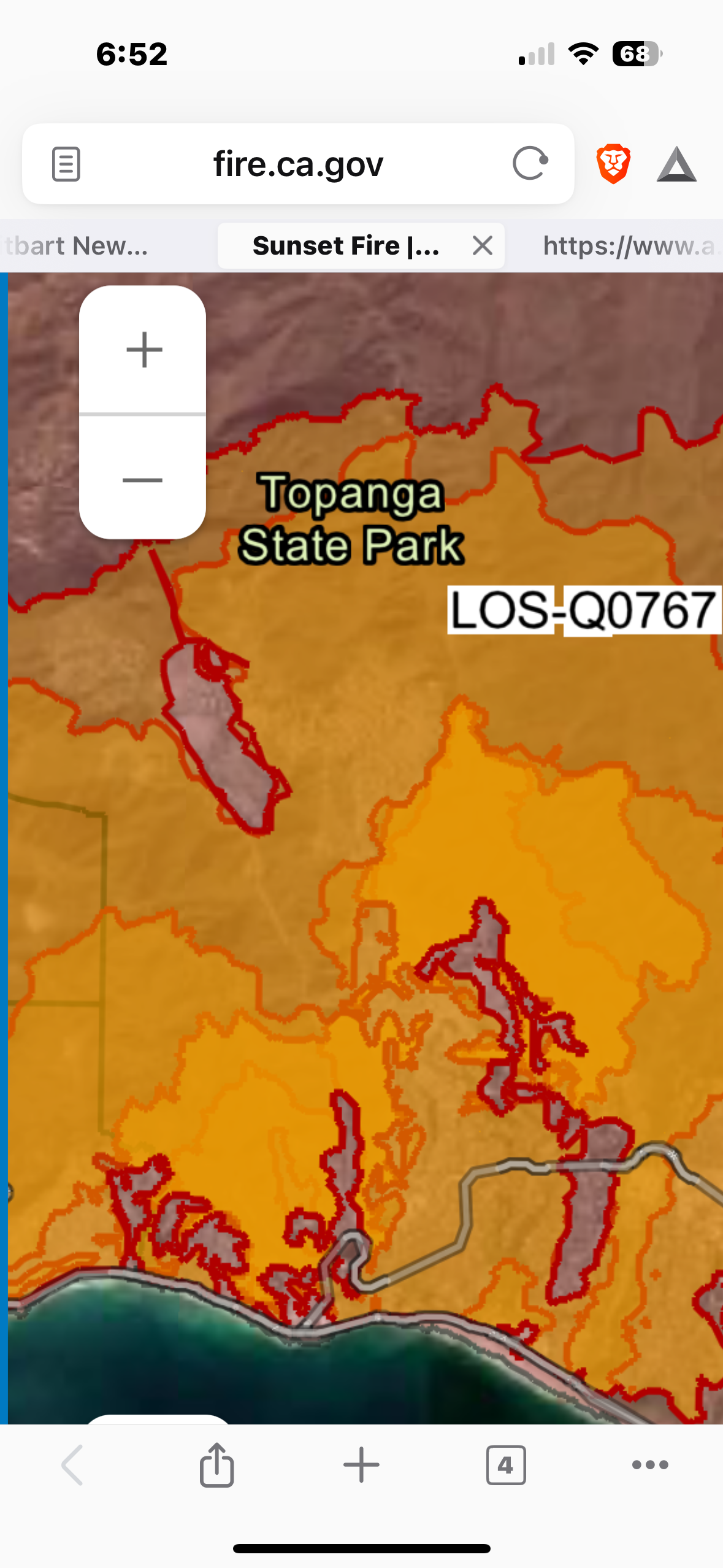



















Aggressive timber management necessary in the Northeast
When I tell some people how aggressively we try to manage standing timber (forests), they often recoil. It sounds so destructive, so environmentally wrong.
It is not environmentally damaging, but I will be the first to admit that the weeks and months after a logging operation often look like hell on the landscape: Tops everywhere, exposed dirt, skid trails, a tangled mess where an open woods had stood for the past sixty to eighty years just weeks before. No question, it is not the serene scene we all enjoyed beforehand.
This “clearcutting” gets a bad name from poor forestry practices out West and because of urban and suburban lawn aesthetics being misapplied to dynamic natural forests.
However, if we do not aggressively manage the forest, and the tree canopy above it, then we end up with tree species like black birch and red maple as the dominant trees in what should be, what otherwise would be a diverse and food-producing environment. Non-native and fire-sensitive species like ailanthus are quickly becoming a problem, as well.
When natural forest fires swept through our northeastern forests up until 100 years ago, these fire-sensitive species (black birch, red maple) were killed off, and nut trees like oaks, hickories, and chestnuts thrived. Animals like bears, deer, turkey, Allegheny woodrats, and every other critter under the sun survived on those nut crops every fall.
Without natural fire, which is obviously potentially destructive and scary, we must either set small prescribed fires, or aggressively remove the overhead tree canopy to get sufficient sunlight onto the forest floor to pop, open, and regenerate the next generation of native trees. Deer enjoy browsing young tree sprouts, so those tasty oaks, hickories, etc that lack sufficient sunlight to grow quickly usually become stunted shrubs, at best, due to constant deer nibbling. Sunlight is the key here.
And there is no way to get enough sunlight onto the forest floor and its natural seed bed without opening up the tree canopy above it. And that requires aggressive tree removal.
Northeastern forests typically have deep enough soils, sufficient rainfall, and gentle enough slopes to handle aggressive timber management. Where my disbelieving eyes have seen aggressive management go awry is out west, in the steep Rockies, where 1980s “regeneration cuts” on ancient forests had produced zero trees 25 years later. In fact, deep ravines had resulted from the flash-flooding that region is known for, and soil was being eroded into pristine waterways. So, aggressive timber management is not appropriate for all regions, all topography, or all soils.
But here in the northeast, we go out of our way to leave a huge mess behind after we log. Why? Because how things appear on their surface has nothing to do with how they perform natural functions. Those tangled tree tops provide cover for the next generation of trees and wildflowers, turtles and snakes, and help prevent soil erosion by blocking water and making it move slowly across the landscape.
Indeed, a correctly managed northeastern forest is no place for urban or suburban landscape aesthetics, which often dictate bad “select cut” methods that work against the long term health and diversity of the forest, as well as against the tax-paying landowner.
So the next time you see a forest coming down, cheer on the landowner, because they are receiving needed money to pay for the land. Cheer on the loggers and the timber buyers, the mills and manufacturing plants, and the retailers of furniture, flooring, and kitchen cabinets, because they all are part of a great chain of necessary economic activity that at its core is sustainable, renewable, natural, and quintessentially good.